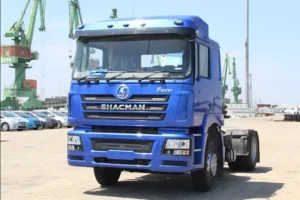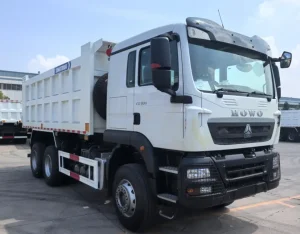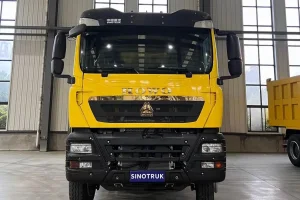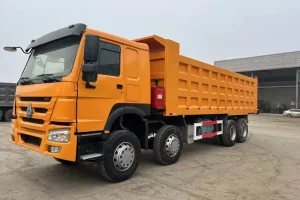
Heavy-duty commercial vehicles rely on specialized electrical configurations to support massive starting loads and continuous accessory demands. Unlike passenger vehicles that operate on a standard 12V system, medium and heavy-duty trucks typically employ a 24V electrical architecture. This system layout is formed by connecting two 12V batteries in a series configuration, effectively doubling the voltage while keeping the overall capacity (Amp-hours) equal. Under macro fleet operations, this voltage management strategy plays a critical role in minimizing vehicle down-time, protecting high-cost electronic control modules (ECUs), and reducing copper wiring weight across the vehicle chassis.
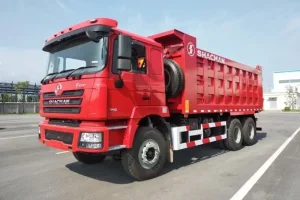
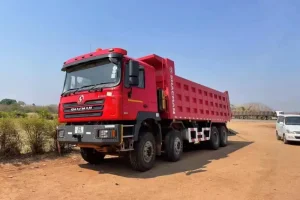
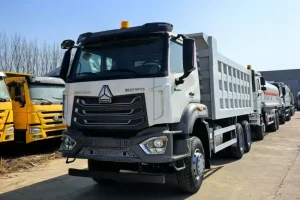
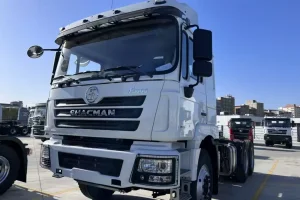
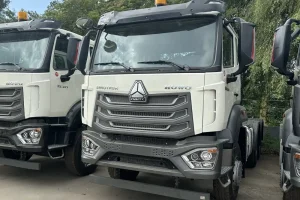
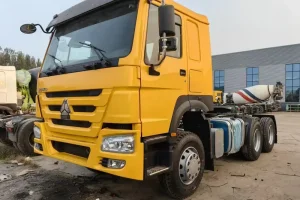
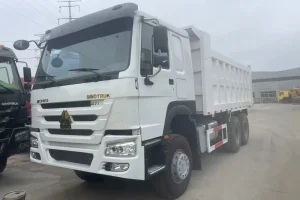
From an engineering perspective, doubling the system voltage from 12V to 24V reduces the electrical current (Amperage) required to deliver the same amount of power by half ($P = V \times I$). Since resistive power loss ($P_{loss} = I^2 \times R$) increases with the square of the current, a 24V system realizes a significant reduction in line drop and heat generation. This permits fleet operators to deploy thinner, lighter wiring harnesses, reducing the curb weight of heavy-duty transport vehicles like the HOWO NX and SHACMAN F3000 while optimizing overall fuel efficiency.
By coupling two 12V AGM or flooded lead-acid batteries negative-to-positive, heavy trucks supply 24V to start high-compression diesel engines (371HP to 420HP). This provides the massive Cold Cranking Amps (CCA) needed for quick startup in adverse environments.
Modern fleets use telematics, cabin heating (sleeper cabs), refrigerator units, and hydraulic pumps. Integrated voltage regulators prevent cell imbalances, ensuring that drawing 12V power from one battery does not degrade the pair.
High-efficiency alternators charge the battery pack at a controlled rate (typically 27.6V to 28.8V). This ensures optimal battery chemistry health, mitigating thermal runaway in hot climates and sulfate crystallization in cold conditions.
In global industrial transportation, logistical environments vary drastically from one continent to another. In regions like Central Asia and Eastern Europe, fleets face extreme sub-zero temperatures. In these areas, batteries must maintain high starting voltages despite freezing electrolytes, requiring high CCA ratings. Conversely, in the Middle East and Africa, heavy dust and excessive heat accelerate water loss in batteries, leading to premature plate degradation.
Hongkai address these challenges through strict sourcing and targeted local component packaging. Whether configuring a Shacman F3000 Tipper or a HOWO TX Dump Truck, our engineering teams select battery chemistry packages suited to the region's climate. For cold environments, we specify heavy-duty glass-mat batteries (AGM) with deep thermal insulation wrappers. For hot regions, we utilize specialized maintenance-free calcium-lead grid structures that resist high-temperature oxidation.
We work in close cooperation with customers in Africa, the Middle East, and Central Asian countries, delivering vehicles equipped with electrical systems tailored to local regulations and regional challenges. This localization strategy maximizes operational life, ensures seamless starting cycles, and cuts operating costs.
The heavy-duty truck industry is in transition, moving from traditional internal combustion platforms to smart dual-voltage systems and high-voltage electric drivelines. As fleets add more electronic systems, conventional lead-acid battery configurations are hitting their operational limits.
Lithium Iron Phosphate (LiFePO4) chemistry is emerging as a replacement for heavy lead-acid starting batteries. It delivers double the energy density, up to ten times the cycle life, and a lower total cost of ownership (TCO) for high-mileage fleets.
Future fleets will feature dynamic Battery Management Systems integrated into the vehicle's CAN bus. This allows remote tracking of state-of-health (SOH) and cell balance, helping predict and prevent starting failures.
With electric logistics scaling globally, vehicles are moving from 24V auxiliary systems to traction architectures operating at 350V to 800V. This shift supports rapid megawatt charging and provides the torque required for heavy loads.
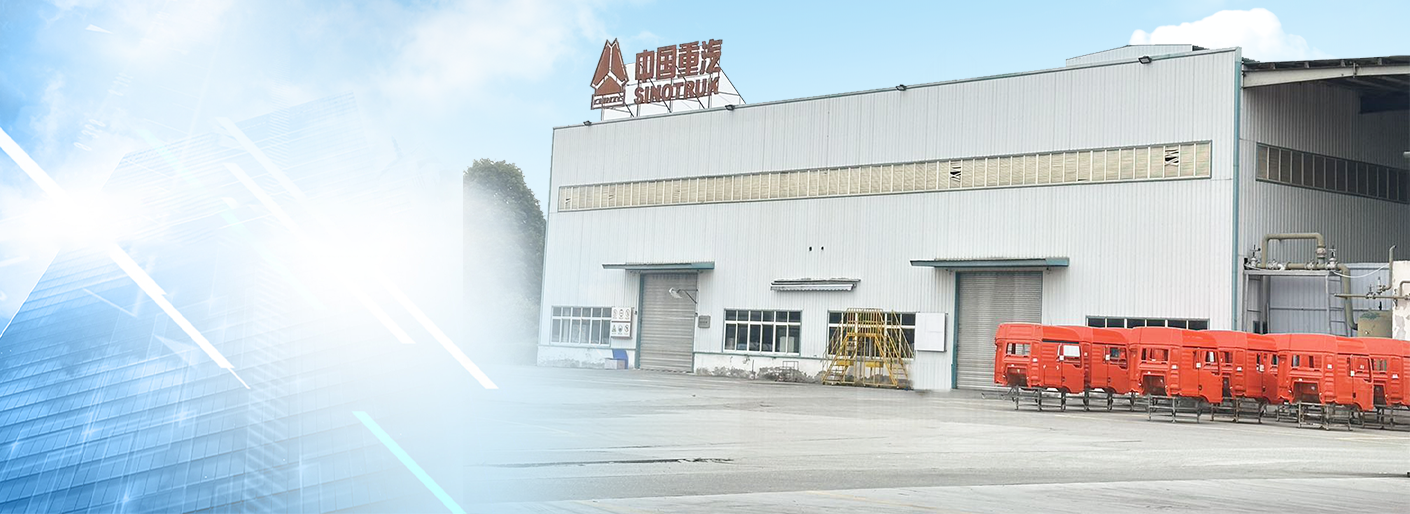
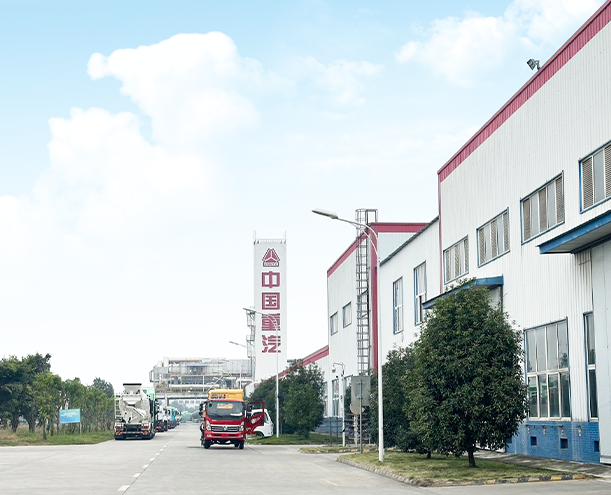
Hongkai was founded in Deyang City, Sichuan Province, China. In our start-up phase, we focused on truck trading in China's domestic market, successfully establishing an initial customer network in the local market. Our headquarters, located in Shundi Auto Trade City, Deyang City, features a modernized office area covering 15,000 square meters. The company also operates its own dedicated truck testing center and refurbishment factory.
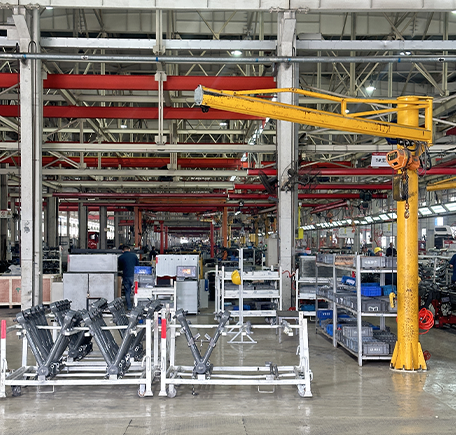
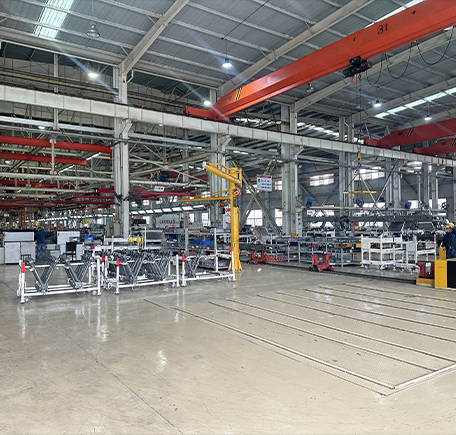
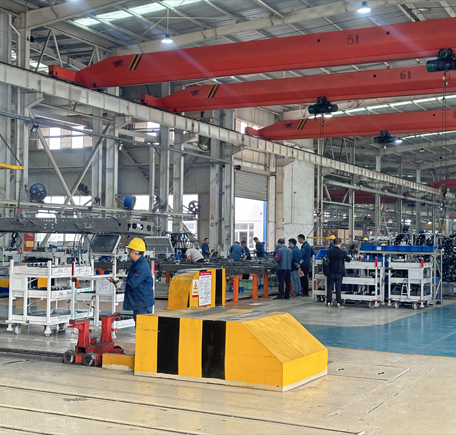
Our key factory is located in Chengdu, Sichuan Province, covering an area of 196,000 square meters. Our total workforce has reached 186 employees. This includes a professional sales team, technical research and development staff, and an experienced after-sales service team, supported by logistics and operations teams. We maintain a large warehousing center that holds a deep inventory of trucks, enabling fast turnaround times for global orders.
We adhere to our core values of "integrity, professionalism, innovation, and win-win." Integrity serves as the cornerstone of our relationships with customers and partners, ensuring that every transaction is transparent, straightforward, and fair.
Professionalism is reflected in our team's deep understanding of the trucking industry and our technical capabilities, allowing us to maintain precise control from sourcing through configuration to export customs clearance. Innovation drives us to explore new business models, product configurations, and service approaches to meet changing market demands. The win-win concept guides our entire supply chain, aligning the interests of suppliers, distributors, and customers to support shared growth and development.
With over two decades of hands-on experience in the trucking industry, we understand changing regulations, vehicle configurations, and operating conditions. All of our technicians carry professional certifications to ensure reliable service standards.
We configure vehicles to match specific regional conditions. From analyzing operating requirements to custom modifications and export delivery, we adapt electrical, powertrain, and chassis specifications to your logistics needs.
We provide full service support covering pre-sale consulting, configuration design, order tracking, and 24/7 technical assistance. This system ensures reliable support for fleet operations around the globe.
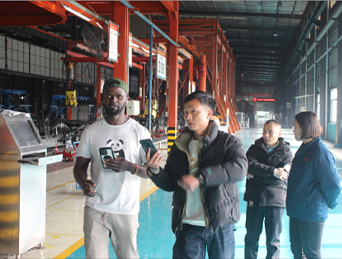
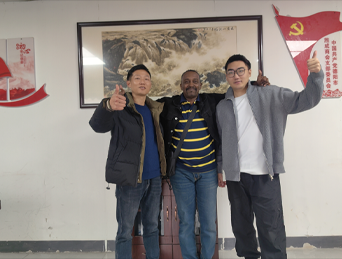
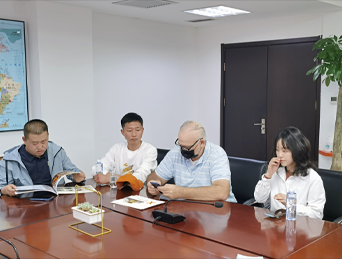
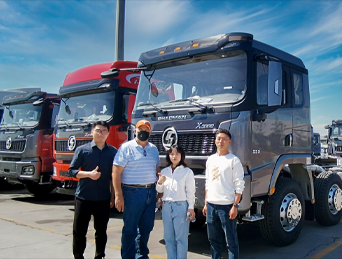
We host purchasing delegations and engineering teams from regions including East Africa, Central Asia, and the Middle East. Visitors review our 196,000 square meter facility to inspect powertrain testing, battery replacement procedures, and assembly lines firsthand.