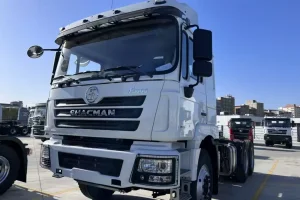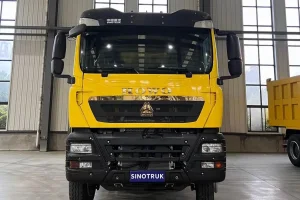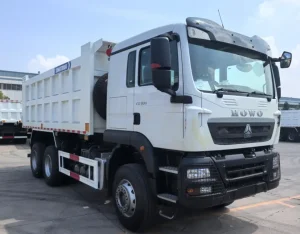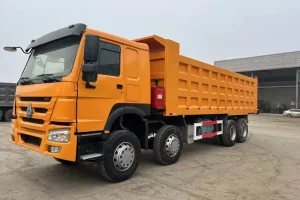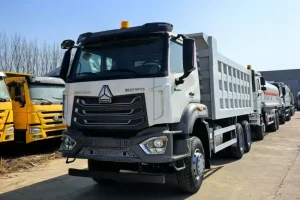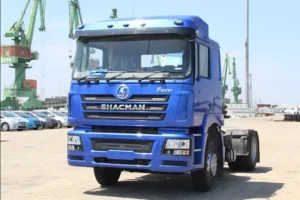
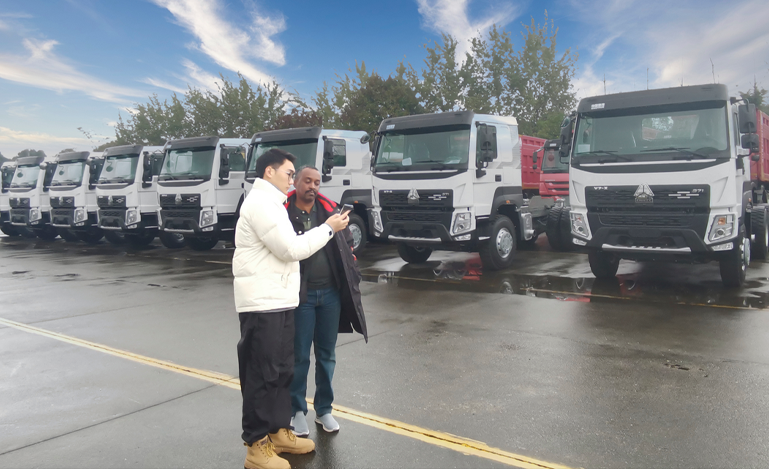
High-performance OEM-integrated heavy-duty transport vehicles, featuring emission-compliant exhaust configurations.
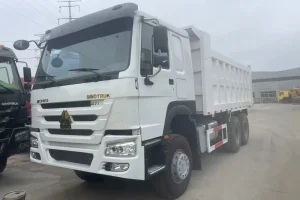
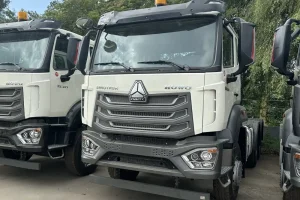
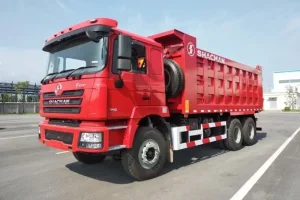
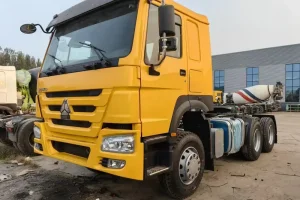
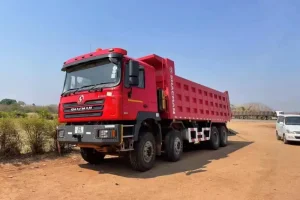
The global commercial transport landscape is undergoing a massive transformation driven by emission compliance, fuel efficiency demands, and engine longevity concerns. At the heart of this evolutionary shift is the OEM truck exhaust system. No longer just a simple conduit for routing combustion gases, modern heavy-duty exhaust architectures serve as highly sophisticated chemical processing plants, noise attenuators, and thermal control hubs.
For global logistics players, fleet operators, and heavy machinery distributors (sourcing brands like Sinotruk HOWO and Shacman), understanding the technical underpinnings of OEM exhaust design is paramount. In markets spanning Africa, the Middle East, Central Asia, and Latin America, commercial vehicles face contrasting demands: meeting stringent regulatory emissions (such as Euro III, IV, V, and Euro VI standards) while maintaining high uptime under severe physical duty cycles.
OEM manufacturers collaborate with exhaust specialists to design systems that minimize engine backpressure. High backpressure forces the engine to work harder to expel exhaust gases, increasing fuel consumption and thermal load on exhaust valves and turbochargers. Conversely, a correctly calibrated OEM exhaust system leverages acoustic tuning and catalytic configurations to balance fluid dynamics with optimal emissions conversion efficiency.
Exhaust environments are notoriously hostile. They must withstand rapid cyclic temperature swings from ambient cold starts to peak operating states exceeding 650°C. Coupled with corrosive condensed acidic compounds and severe vibrational shock profiles from construction sites or unpaved haul roads, material choice is critical.
Offering high thermal stability and moderate oxidation resistance, 409L is the workhorse alloy for exhaust tubing, silencer shells, and heat shields. Its low carbon content avoids sensitization and brittle failures during welding.
Applied on premium exhaust components, flexible bellows, and high-temp catalytic inlets. Chromium-nickel concentrations provide superior corrosion resistance and ductility under structural stress.
Multi-ply bellows absorb engine-induced torsional movement and thermal expansion. Without these flexible components, the exhaust system would fracture at the turbocharger connection points.
For heavy dump trucks and tractor units operating globally, a complete OEM exhaust solution integrates several key aftertreatment elements:
| Emission Standard | Typical Engine Target (HP) | Primary Aftertreatment Needed | Optimal Exhaust Temperature Range |
|---|---|---|---|
| Euro III (Legacy) | 290 - 371 HP | Muffler with Acoustic Dampening only | 150°C - 350°C |
| Euro IV | 336 - 380 HP | SCR (Urea Dosing) or EGR + DOC | 200°C - 450°C |
| Euro V | 371 - 420 HP | High-capacity SCR + Muffler Integration | 220°C - 500°C |
| Euro VI / China VI | 400 - 540 HP+ | DOC + DPF + SCR + ASC (Ammonia Slip Catalyst) | 250°C - 600°C+ (Active Regen) |
Heavy duty trucks like Shacman F3000 or Sinotruk HOWO NX operate in some of the most challenging environments on earth. These applications demand specialized exhaust design adjustments:
In dust-heavy, rough terrain operations, dump trucks encounter high impact forces and airborne particulates. Exhaust tailpipes are often redirected upwards (vertical stacks) to prevent dust kick-up on dry roads, and exhaust hangers require heavy-duty reinforced polyurethane bushings to absorb persistent chassis twisting.
Extremely high ambient temperatures limit passive convection cooling of the exhaust aftertreatment box. Auxiliary heat shielding and high-performance insulation blankets are required to protect neighboring pneumatic lines, electrical harnesses, and the fuel tank from radiated thermal energy.
In freezing environments, exhaust systems face the challenge of Urea/DEF freezing (which happens at -11°C). OEM systems solve this with coolant-heated lines and automated purge cycles that drain the dosing lines when the engine is turned off to prevent expansion damage.
For fleet managers acquiring used or refurbished trucks, checking and replacing compromised or clogged exhaust systems with OEM-spec components restores factory-level backpressure performance, ensuring the engine runs efficiently without high-temperature damage.
Hongkai Automobile Trading Co., Ltd. was established in Deyang City, Sichuan Province, China. In our initial start-up phase, we focused closely on truck trading within China's competitive domestic market, successfully establishing an initial customer network and refining our understanding of heavy machinery demands.
In 2022, management recognized the potential of foreign markets, initiating our global expansion into the international trade sector. We forged strong strategic alliances with fleet operators, construction agencies, and trading companies in Africa, the Middle East, and Central Asian countries.
In 2023, to meet the rising demand for premium refurbished heavy trucks and OEM parts integration, the company increased its capital investment. We established our own manufacturing and testing facility to scale up operations. Our significant breakthroughs in the refurbished heavy truck market have made Hongkai a leading name in the industry.
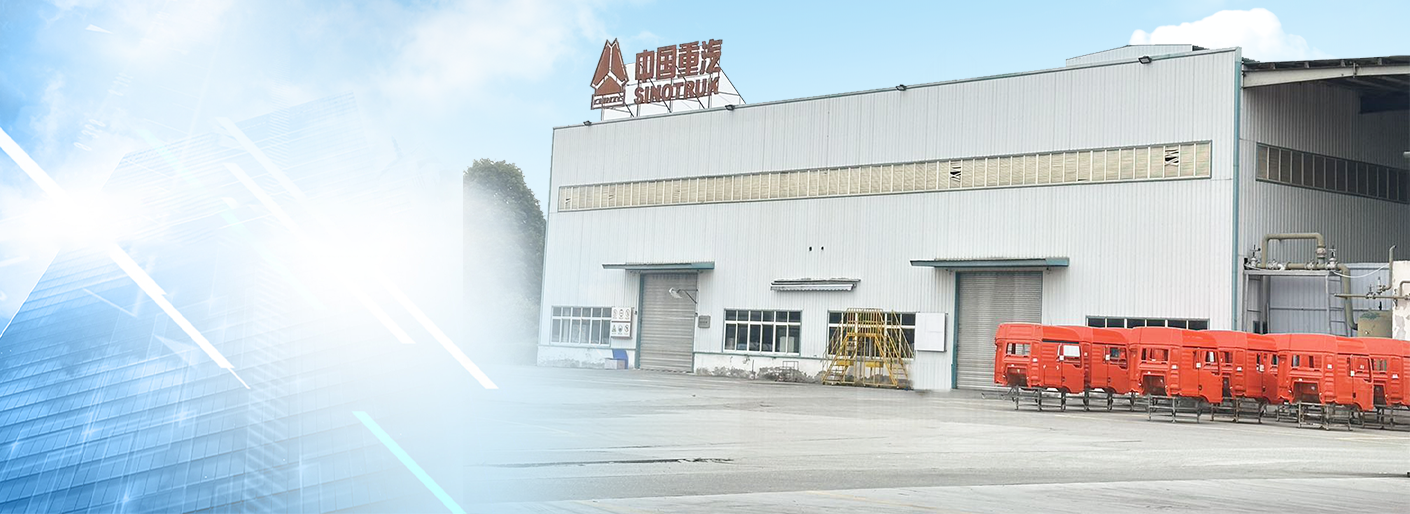
Hongkai's infrastructure supports both high-volume truck trading and detailed component refurbishment, ensuring our vehicles perform reliably under demanding field conditions.
Deyang Headquarters
Located in Shundi Auto Trade City, Deyang City, featuring a modern office space, executive offices, customer service center, and direct sales exhibition spaces.
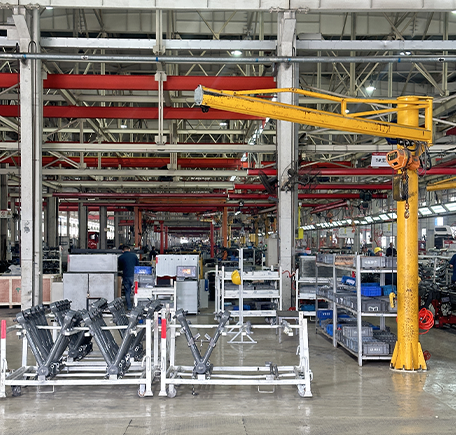
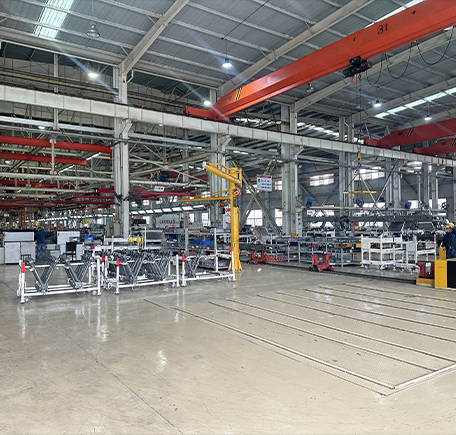
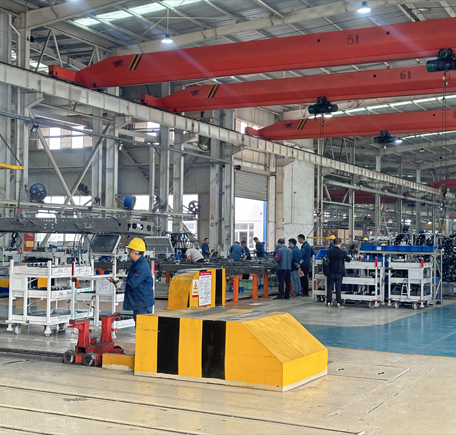
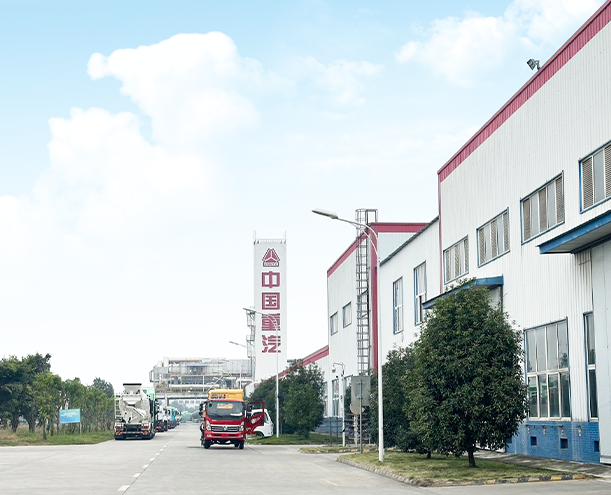
Chengdu Manufacturing & Testing Facility
Our main technical plant in Chengdu, Sichuan, equipped with multi-stage diagnostic testing bays, engine dynamometers, and specialized vehicle inspection lines.
Expert Human Capital
Including our professional sales advisors, technical R&D team, quality assurance engineers, and responsive after-sales support technicians.
At Hongkai, our business practices are guided by our core values: “Integrity, Professionalism, Innovation, and Win-Win”.
From Local Heavy-Duty Truck Dealer to Global Fleet and Supply Chain Partner
Entered the truck sales market, gaining direct field experience with diesel engines and identifying the specific requirements of Chinese heavy-duty truck operators.
Established a collaborative sales partnership and introduced an integrated service model combining leasing, maintenance, and fleet management, covering key logistics hubs in South China.
Began operating independently under the Hongkai brand, focusing on high-end heavy-duty trucks and establishing a structured pipeline covering sourcing, modification, certification, and after-sales support.
Completed the 20,000 square meter Hongkai Auto Trade City, representing prominent domestic brands including Sinotruk HOWO, Dongfeng, Jiefang, and Shaanxi Automobile.
Established our own transport fleet with over 100 heavy-duty trucks, enabling 48-hour delivery across South China and improving parts distribution speed by 70%.
Launched our global trade strategy. Over a 10-month period, we expanded active trade lines into African markets through integrated online and offline customer services.
Why Global Operators and Sourcing Managers Partner with Hongkai
With over 20 years of experience in the trucking industry, we understand market dynamics, emission requirements, and configuration needs, allowing us to supply optimized vehicle solutions.
All factory technicians hold professional qualification certificates, ensuring reliable assembly and testing before export.
We offer specialized vehicle modifications tailored to our clients' regional conditions, from heavy-duty suspensions to specific exhaust configurations.
We maintain strict quality control throughout the refurbishment process, ensuring every vehicle meets our delivery standards.
Our customer service covers consultation, order processing, export customs clearance, and 7x24-hour technical support.
Our long-term partnerships with fleet owners are built on customer satisfaction, resulting in high referral rates across the industry.
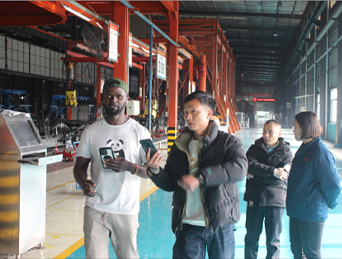
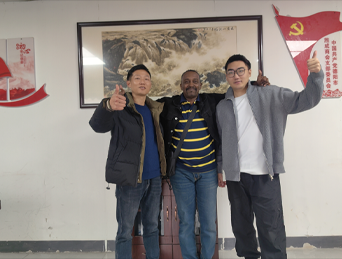
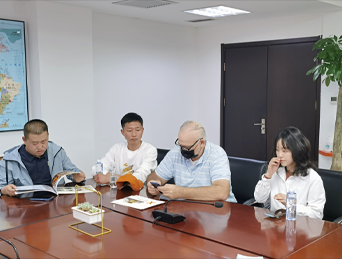
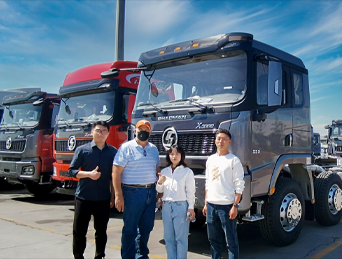
Welcoming international partners to our testing centers and factories
Technical answers to common questions about diesel emission systems and truck sourcing
Secure, certified commercial logistics solutions with optimized powertrain options.