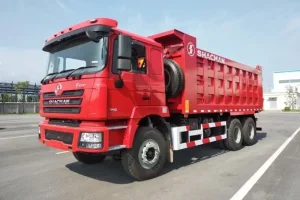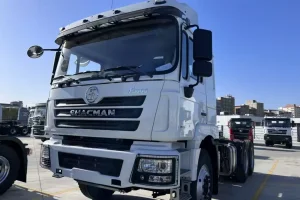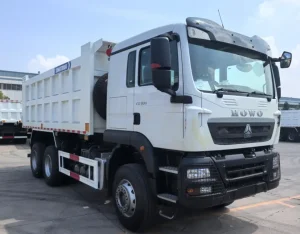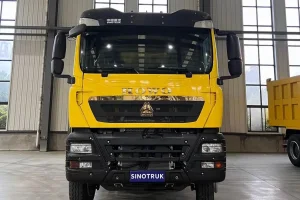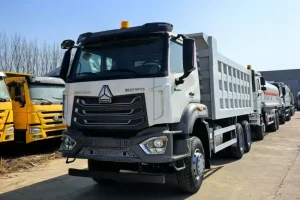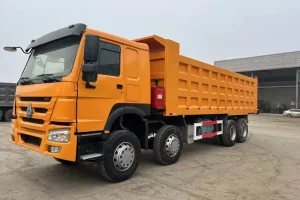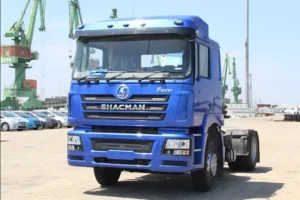
Explore our elite inventory of industry-leading dump trucks and transport equipment engineered to meet international OEM standards.
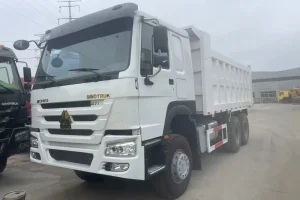
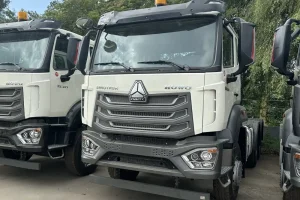
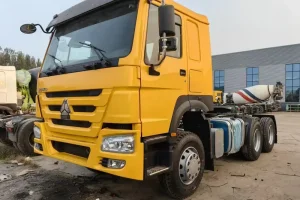
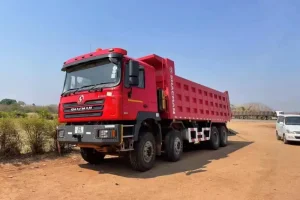
In modern heavy engineering, infrastructural growth, and mining applications, the standard dump truck (or tipper truck) functions as the core logistical element. Over 70% of earthmoving operations globally rely on robust chassis configurations such as the 6x4 and 8x4 configurations to relocate mineral ores, dry aggregates, and structural rubble. The manufacturing of these vehicles conforms to strict OEM (Original Equipment Manufacturer) parameters to guarantee component longevity, powertrain sync, and structural safety under extreme payloads.
The global movement of high-capacity tippers has shifted focus toward cost-effective, high-yield solutions. Operators in developing industrial zones such as Sub-Saharan Africa, Central Asia, and the Middle East require reliable heavy machinery that balances upfront investment capital with minimal Total Cost of Ownership (TCO). In these areas, OEM configurations from major heavy-vehicle systems—such as Sinotruk HOWO and Shacman series—serve as primary infrastructure machinery due to their durable mechanical layout, structural cross-members, and globally accessible parts supply networks.
A look into Hongkai's operational facilities, production capacity, and long-standing corporate foundation.
Founded in 2014: The company was founded in Deyang City, Sichuan Province, China, focusing on truck trading in China's domestic market in the start-up phase, and successfully establishing an initial customer network in the local market.
Hongkai Global Breakthrough: In 2022, the company's management met and decided to open up foreign markets, realizing the first expansion of the business and entering the new market of foreign trade. A substantial volume of partnership agreements was established with commercial partners in Africa, the Middle East, and Central Asian countries, creating a strong foundation for future growth.
In 2023, the company increased its allocation of foreign trade investments, constructed a specialized refurbishment and testing facility, and elevated general operational capacity. Our heavy machinery division achieved notable breakthroughs, particularly in the engineering and deployment of refurbished and retrofitted heavy transport trucks.
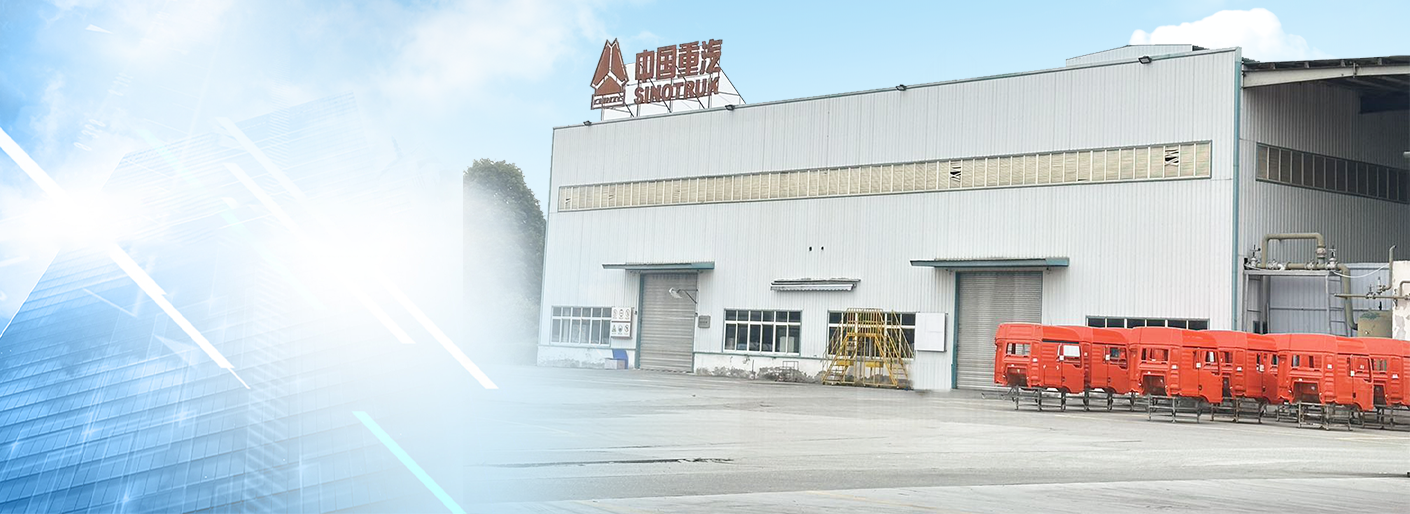
Currently, the company's operational headquarters is located within the Shundi Auto Trade City, Deyang City, housing our centralized management team. This location includes a modernized office configuration spanning 15,000 square meters, integrated alongside our dedicated vehicle analysis center.
Our heavy manufacturing and modification plant is situated in Chengdu, Sichuan Province, covering a total area of 196,000 square meters. Our operational force has reached 186 employees, including a specialized international sales division, technical research and design engineers, field support services, and logistics optimization teams. We maintain an expansive regional warehouse hub configured to store a large volume of heavy vehicles for quick delivery.
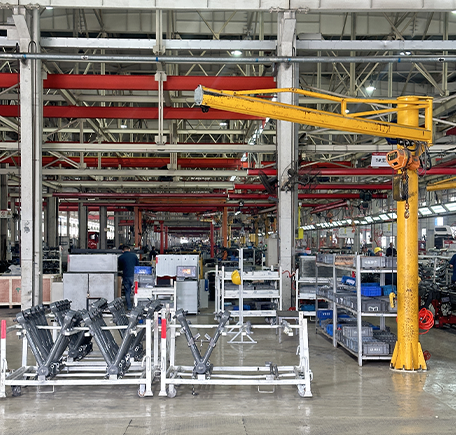
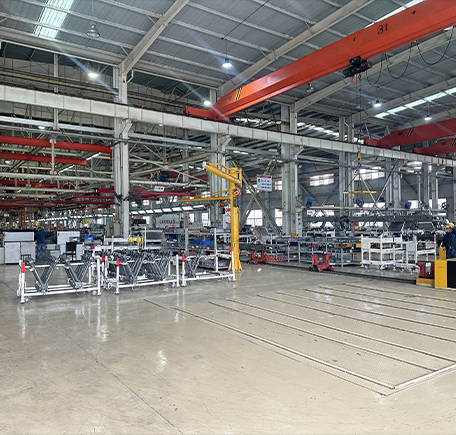
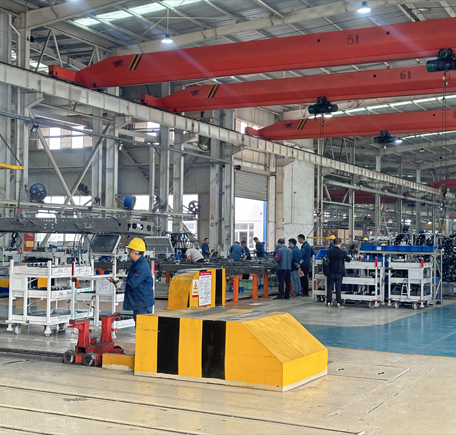
We adhere to our primary business values of "integrity, professionalism, innovation, and win-win". Integrity serves as the bedrock of our transactions with buyers and supply partners, ensuring that all logistics updates, vehicle assessments, and pricing quotes remain transparent.
Professionalism is demonstrated through our engineering teams' deep mechanical knowledge of diesel drivetrains, heavy chassis reinforcement, and import-export protocols. Innovation drives us to continuously improve our structural refurbishment techniques and parts sourcing models. This commitment to shared growth supports our global distributors, parts suppliers, and fleet operators.
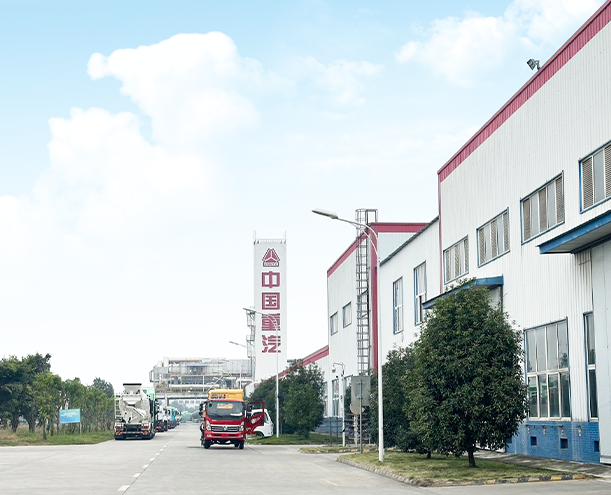
The growth timeline of Hongkai Automobile Trading Co., Ltd. — tracking our progress from local dealer to global commercial vehicle provider.
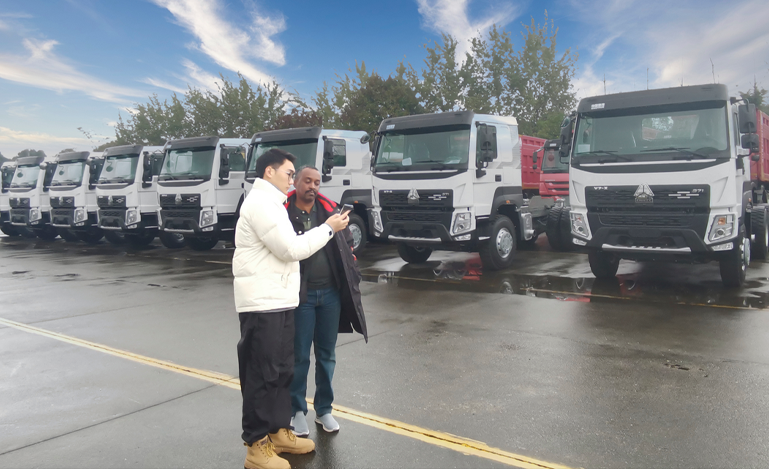
An engineering comparison of the primary dump truck chassis configurations, powertrains, and cargo bodies.
For procurement managers, selecting the proper vehicle involves matching the truck's engine power, gear ratios, and chassis strength to the target environment. The main choices focus on the 6x4 (three axles, ten wheels) and 8x4 (four axles, twelve wheels) configurations. Below is an engineering overview comparing these key structural systems:
| Performance Parameter | HOWO 6x4 Dumper (371-400 HP) | Shacman F3000 8x4 Dumper (380-420 HP) | OEM Standard Heavy Mining Spec |
|---|---|---|---|
| Typical Gross Vehicle Weight (GVW) | 25,000 - 32,000 kg | 38,000 - 45,000 kg | 50,000 - 70,000 kg (Off-Road) |
| Engine Architecture | Weichai WD615.47 / D12.37 Euro II/III | Weichai WP10 / WP12 Series | WP12 / Cummins Engine options |
| Tractive Power Range | 371 HP / 273 kW @ 2200 RPM | 380 HP / 420 HP options | 420 HP - 480 HP Heavy Duty |
| Transmission System | HW19710 (10 forward / 2 reverse) | Fast Gear 12JSD200T (Synchromesh) | Allison Automatic or Fast Manual |
| Front / Rear Axles | HF9 (9 Tons) / HC16 (16 Tons Double Reduction) | Man 9.5 Tons / Hande 16 Tons Axles | Reinforced 18-20 Ton Hub Reduction Axles |
| Hydraulic Tipping Gear | HYVA Front Lifting Cylinder (Optional Mid-Lift) | HYVA 137/149/169 High-Pressure System | Heavy-Duty Telescopic Front Hydraulic Cylinder |
| Chassis Structure | 8+8mm Double-deck High-tensile Steel Frame | 850×300 (8+7mm) Reinforcement Frame | Triple Deck reinforced mining chassis |
The efficiency of an OEM-certified tipper truck relies on its powertrain integration. The combination of a high-torque Weichai Engine and a multi-speed Fast Gear Transmission ensures optimal torque delivery at low engine speeds (RPM). During initial acceleration on steep, unpaved mining roads, the transmission’s low gear ratios (e.g., 12.1 or higher) multiply engine torque to prevent tire slip and drivetrain stress.
Additionally, the inclusion of inter-wheel and inter-axle differential locks on the HC16/Hande double-reduction axles allows the vehicle to maintain traction in muddy construction sites. By mechanically locking the rotating shafts together, torque is directed to the tires with the most traction, preventing wheel spin and axle damage.
Why global fleet operators and industrial contractors partner with Hongkai for heavy transport assets.
20 Years of Trucking Experience: Our deep understanding of market shifts, emissions regulations, and technical dynamics allows us to provide optimized configurations for every shipping lane.
Certified Technical Staff: All factory technicians hold professional qualification certificates, ensuring that our refurbishment, modification, and inspection processes meet strict quality standards.
Tailor-Made Solutions: We support custom modification requests, including cargo box thickness adjustments, climate control upgrades (for high-heat or extreme-cold regions), and reinforced suspension systems.
Strict Inspection Processes: From diagnostics to final export testing, every vehicle undergoes multi-point evaluations of its engine performance, hydraulics, and structural integrity.
All-Round Support System: We provide pre-sale consulting, configuration planning, clear shipment updates, and 24/7 post-delivery technical assistance to resolve spare parts requests quickly.
Long-Term Partnerships: Maintaining a 95% customer satisfaction rate, we prioritize repeat-order reliability and transparent communication to build stable long-term relationships worldwide.
How our custom-built tippers are tailored to meet the environmental challenges of different global territories.
A standard highway vehicle will quickly degrade if deployed directly into a heavy mining site or a high-temperature desert zone without the proper modifications. True OEM quality relies on adapting the vehicle's components to match the work environment.
Operations in this region require dust management and suspension upgrades. Fine dust particles can accelerate engine cylinder wear if standard filters are used.
High ambient temperatures place extra demand on engine cooling systems, seals, and cabin climate control.
Extremely low winter temperatures require specialized fuel heating and engine insulation.
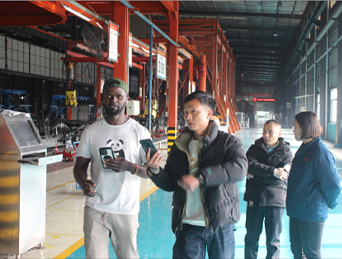
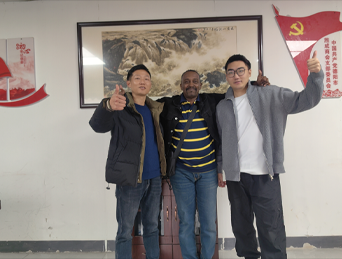
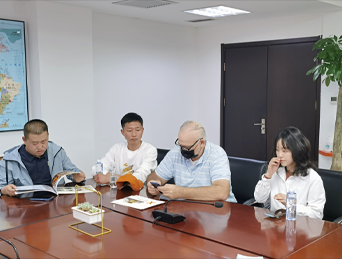
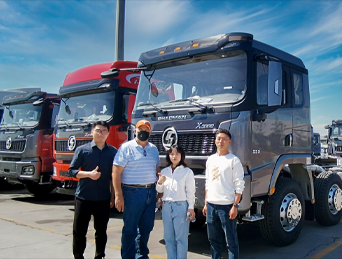
Hosting international procurement delegations and engineering inspectors at our Chengdu and Deyang facilities.
Frequently asked questions regarding technical configurations, ordering procedures, and shipping processes.
Select from our complete range of heavy tractors, dumpers, and specialized trailers. Contact our sales office for custom configurations.