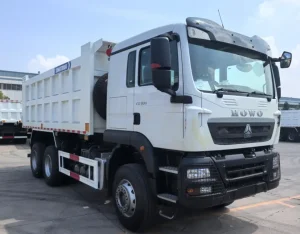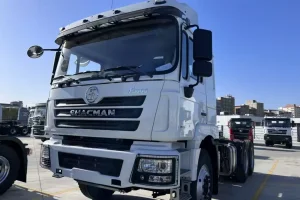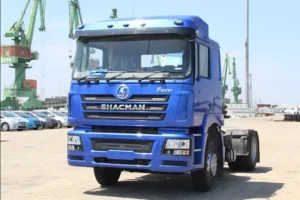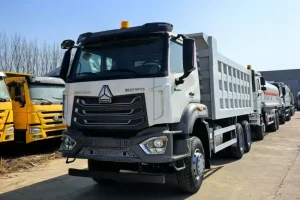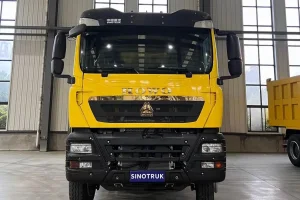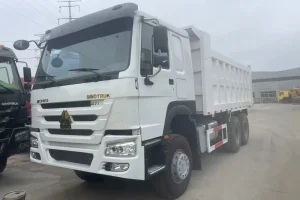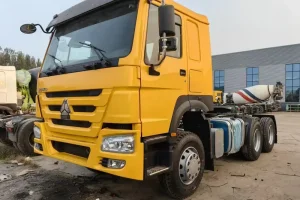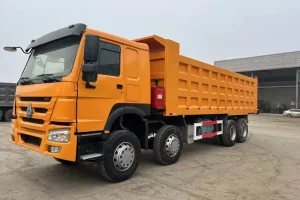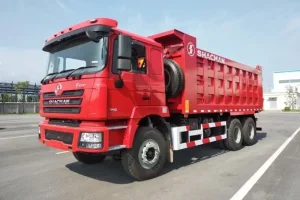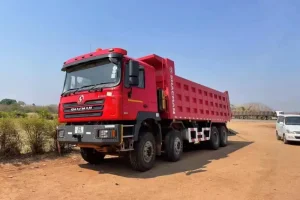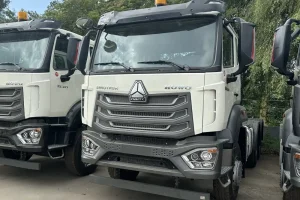
Explore our leading export-grade dump trucks, tractor heads, and custom transport options engineered for structural endurance.
Unlocking payload efficiency through advanced pneumatic distribution and structural mechanics.
In heavy-duty logistical engineering, managing load profiles and ground-contact pressure distribution is critical to minimizing maintenance overhead and complying with infrastructure regulations. Drop axles (also referred to as lift, pusher, or tag axles) serve as a dynamic solution to balance Gross Vehicle Weight Ratings (GVWR) when trucks carry varying payloads. By applying controlled air pressure to these auxiliary suspensions, heavy vehicle operators can effectively distribute structural load, reduce tire wear, and decrease asphalt stress.
From an ODM design perspective, regulating drop axle pressure is not a simple binary mechanical action. It requires a deep understanding of fluid dynamics, air braking systems, and electronic height and load sensing control. If the drop axle pressure is configured too low, the primary drive axles remain overloaded, exposing the vehicle to road safety infractions, frame fatigue, and accelerated suspension degradation. Conversely, if drop axle pressure is set too high, the drive wheels lose tractive effort because load weight is transferred away from the drive axle group. Striking the ideal mechanical equilibrium requires sophisticated engineering and rigorous calibration across multiple operating conditions.
Engineers analyze dynamic structural physics using finite element analysis (FEA) to verify the performance of specialized steel frames under intense pressure. Drop axles must bear vertical, torsional, and lateral stresses. The pneumatic control loop remains the core component, governing how the vehicle adapts to changes in payload weight and distribution. In the following sections, we examine the systemic components that make these auxiliary pneumatic systems a cornerstone of modern high-tonnage cargo transport.
Custom ODM solutions designed for leading chassis models including Sinotruk HOWO and Shacman configurations.
We provide ODM mounting systems engineered specifically for Sinotruk HOWO and Shacman heavy chassis, ensuring seamless sub-frame integration without compromising structural integrity.
Our solutions feature smart load-sensing valves (LSV) and responsive pneumatic manifolds. These systems dynamically adjust lift-bag and ride-bag pressures based on cargo mass fluctuations.
Specially engineered for rough terrains, mining sites, and long-haul transportation. Designed to optimize axle loads, reduce regional road damage penalties, and enhance safety.
In heavy commercial transport, managing axle weight configurations is crucial. Our custom ODM engineering processes incorporate high-capacity, low-maintenance air suspension systems that deploy or retract the lift axle within seconds. Integrating these components into existing product frameworks, such as the Shacman F3000 or HOWO TX platforms, requires precise adjustment of the vehicle's electrical and pneumatic architectures. The lift axle control valve must coordinate directly with the primary braking circuit to ensure responsive performance under all load conditions.
By implementing a responsive air regulator system, operators can tune lift axle pressure based on changing logistics requirements. This custom configuration helps mitigate tire scrubbing during tight turns, decreases fuel consumption during unladen return trips, and optimizes traction on mud, snow, or steep grades. Our engineering solutions deliver reliable performance in challenging heavy-duty environments worldwide.
A Premier Industrial Truck Trading and Manufacturing Enterprise Founded in 2014
Originally established in Deyang City, Sichuan Province, China, our company initially focused on domestic truck trading. Through this focus, we built a comprehensive customer network and developed a deep understanding of heavy vehicle mechanical demands. Over the years, we expanded our manufacturing footprint to deliver customized engineering solutions globally.
In 2022, Hongkai expanded into international trade, establishing business partnerships across Africa, the Middle East, and Central Asia. To support this growth, we increased our manufacturing investments in 2023, building a modern factory to expand our production capacities and advance our refurbished truck division. Today, we are a key player in heavy vehicle modifications, including customized drop axle configurations and chassis upgrades.
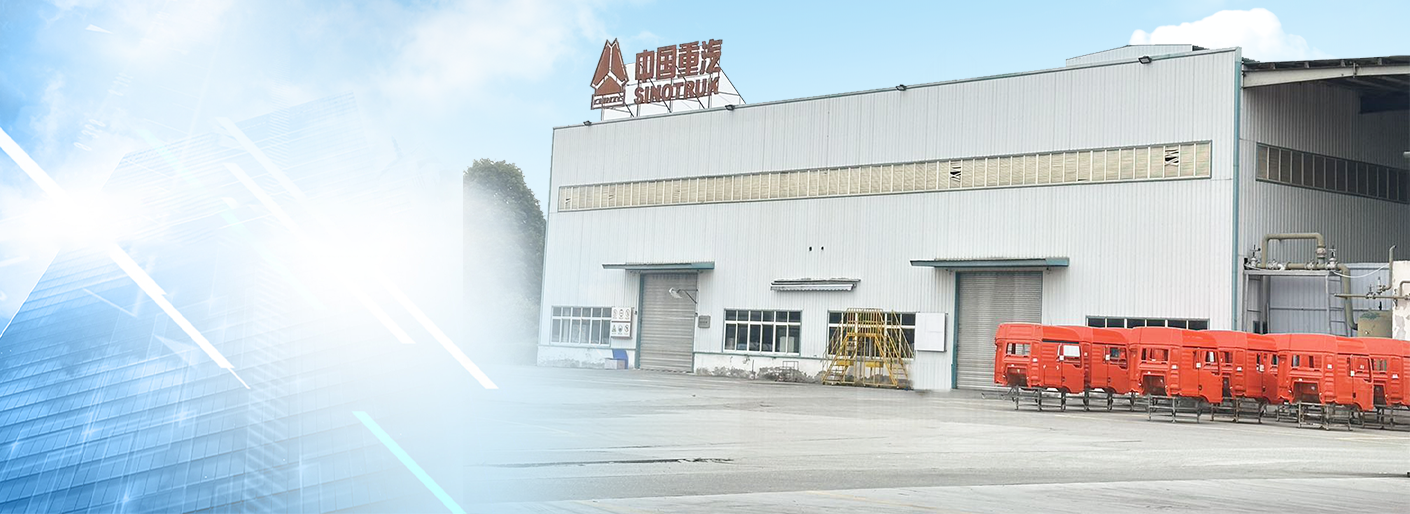
Our headquarters is located in Shundi Auto Trade City, Deyang, housing our design teams and operations departments in a modern office area. To support high-quality vehicle upgrades and retrofitting, our production and customization factory in Chengdu features an expansive 196,000 square meter layout. We also operate a dedicated vehicle testing center where each drop axle system undergoes rigorous load and pressure cycle evaluations before delivery.
Our workforce includes specialized R&D personnel, certified technicians, sales teams, and after-sales support specialists. Our large storage and staging yards allow us to maintain a stable inventory of vehicles, ensuring quick turnaround times for custom configurations.
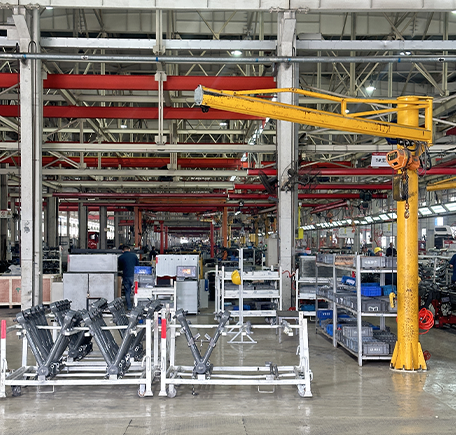
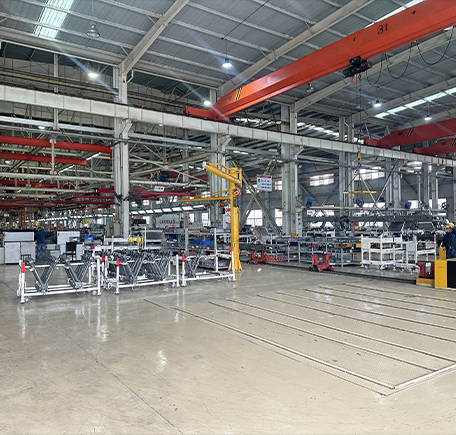
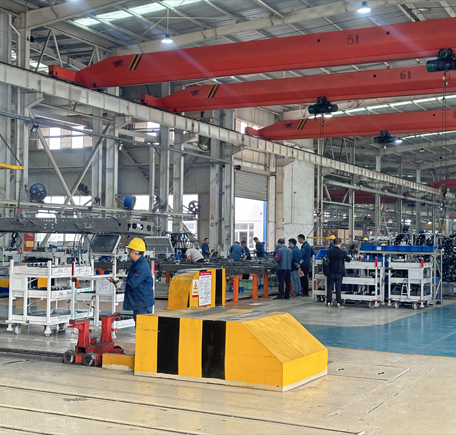
The evolutionary milestones of Hongkai Automobile Trading Co., Ltd. from regional dealer to global solution provider.
Began operations in heavy vehicle sales and fleet maintenance, gaining firsthand experience with diesel powertrains and heavy cargo transport demands.
Pioneered an integrated sales model pairing leasing with maintenance guarantees, expanding our service reach to major logistics corridors.
Established Hongkai Automobile Trade as an independent brand, building a comprehensive system to support purchasing, modifications, and inspections.
Completed the 20,000 square meter Hongkai Auto Trade City. Strengthened ties with major heavy vehicle manufacturers like Sinotruk, Dongfeng, and Shacman.
Launched a fleet of over 100 intelligent heavy-duty trucks, optimizing delivery times and improving response rates for spare parts distribution.
Expanded export operations across Africa, South Asia, and South America through coordinated online and offline distribution channels.
Leveraging decades of mechanical expertise to deliver reliable global solutions.
With over two decades of experience in heavy transport dynamics, we keep our systems aligned with changing global regulations and technology trends. Our factory technicians are fully certified, ensuring all modifications are executed to rigorous standards.
We provide tailormade engineering solutions, adjusting chassis lengths, axle layouts, and pneumatic control interfaces to meet specific load and regulatory profiles. Every step is managed in close coordination with our clients.
We provide full project lifecycle support, from initial design consultation to post-delivery maintenance. Our after-sales team offers technical troubleshooting, remote system calibration, and prompt replacement part delivery.
Analyzing axle weight regulations and mechanical compliance requirements across international markets.
Modern transport corridors rely on regional regulations to limit road wear. In North America, the Federal Highway Administration applies Bridge Formula B to restrict maximum weight on any group of consecutive axles. In Europe, standard directives impose strict load ceilings on single and tandem axle sets. For heavy haulers operating in rapid-growth regions like East Africa or Central Asia, overloading penalties can quickly erode transport margins. Consequently, retrofitting vehicles with functional auxiliary lift axles has become a major commercial priority.
In response to this demand, ODM factories have developed specialized pneumatic controls. By enabling adjustable configurations, these systems allow heavy trucks to travel legally across various jurisdictions. For example, a dump truck carrying mined aggregates can drop its tag axle while on highway networks to stay within regional axle-weight limits. Once off-road at the dump site, the operator can lift the axle to improve maneuverability and traction. This capability reduces mechanical stress on the primary suspension, cuts down on expensive tire replacements, and lowers operational risks.
Additionally, modern fleet managers rely on telematics data to monitor axle pressures. Real-time logging of lift bag pressures helps operators verify that auxiliary axles are deployed correctly under load. This proactive approach reduces the risk of structural frame cracking and prevents expensive road safety citations, supporting reliable long-haul operations.
How auxiliary drop axles improve vehicle performance across mining, civil infrastructure, and bulk transport operations.
In challenging mining areas with uneven terrain, deploying the drop axle helps distribute extreme structural loads. Once the cargo is discharged, retracting the axle prevents tire wear on sharp, rocky surfaces.
Urban construction often requires strict adherence to local bridge and road weight limits. Operators can adjust the pressure of the drop axle system to navigate city streets without exceeding legal axle limits.
For long-haul transport across varying state and national borders, an adjustable tag axle system lets drivers tune air suspensions to match the specific legal requirements of each jurisdiction.
These real-world examples highlight the versatility of adjustable axle configurations. When integrated with reliable chassis models like the HOWO 371HP 6x4 or Shacman F3000 tipper, drop axles allow operators to handle challenging logistics routes and variable loads. In mining, transport routes often switch from smooth asphalt to unpaved dirt. The ability to increase or decrease traction by adjusting pressure on the drive axles helps keep vehicles moving safely in muddy or loose-ground conditions.
Furthermore, because the pneumatic controls are housed in weather-resistant enclosures, the system is protected against water, dust, and vibration. This durable design helps prevent pressure drops and control failures, keeping trucks operational even in extreme weather conditions.
The transition toward smart load-sensing automation and integrated chassis telematics.
Modern lift axles are moving from manual valves to electronic control units (ECUs). These systems automatically adjust pressure based on real-time drive-axle deflection, reducing driver error and improving safety.
Connecting drop-axle pressure controls with the vehicle's Electronic Braking System (EBS) allows for coordinated brake force distribution. This integration improves stopping distances and prevents wheel lockup when the auxiliary axle is raised.
Next-generation drop axle assemblies utilize high-strength alloys and composite materials. Reducing the dead weight of the lift mechanism allows operators to carry more payload without exceeding gross vehicle weight limits.
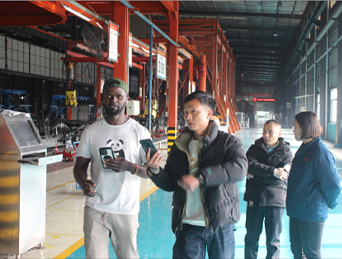
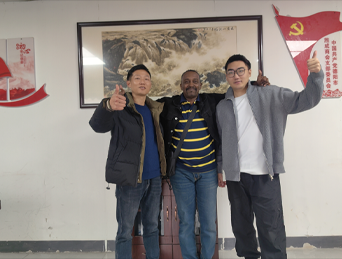
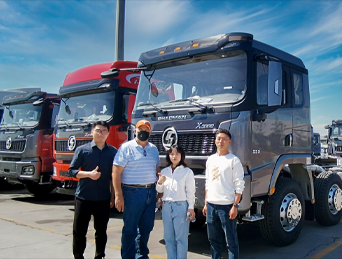
Welcoming global logistics partners and heavy machinery distributors to our manufacturing and assembly facilities.

Common questions regarding drop axle pressure calibration, safety features, and chassis integration.
Review our catalog of heavy-duty trucks and custom configurations built for demanding environments.