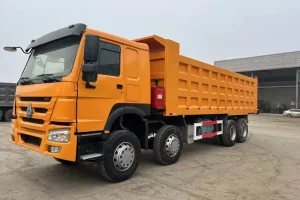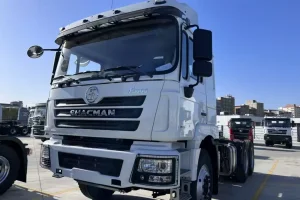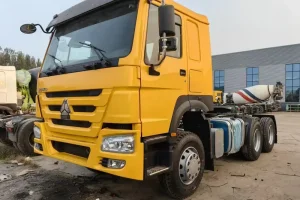
Direct supply paths for heavy-duty commercial vehicles engineered with high-specification braking components.
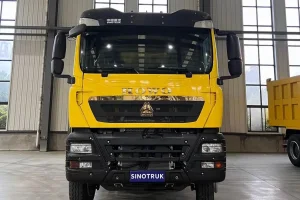
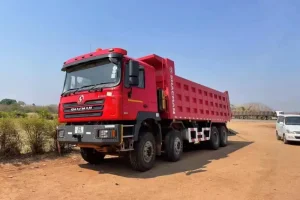
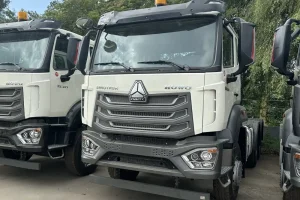
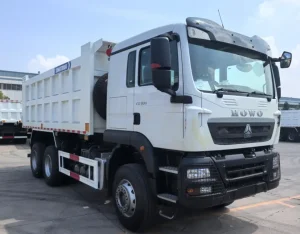
Demystifying pneumatic mechanics, CDL inspection regulations, and the engineering behind spring brake reliability.
In heavy-duty commercial transportation, braking systems are the primary safeguard protecting both drivers and public road infrastructure. For vehicles operating under a Commercial Driver's License (CDL), specifically Class A and Class B vehicles, mechanical pneumatic systems are heavily standardized. Among these, the spring brake chamber (typically Type 24/30 or Type 30/30) stands as the final fail-safe mechanism. This whitepaper analyzes the engineering architecture of spring brakes, compliance requirements defined by transport regulators, and the global sourcing frameworks that support today's logistics networks.
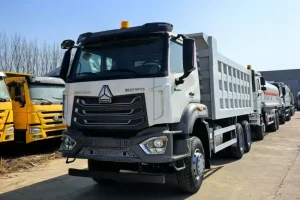
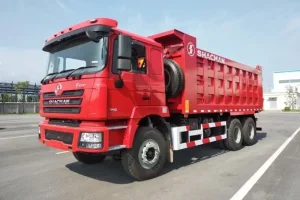
Unlike standard hydraulic brakes used in consumer automobiles, commercial heavy-duty trucks—such as Sinotruk HOWO and Shacman configurations—utilize pneumatic pressure. Compressed air is actively used to *release* the spring brakes. In the event of system failure, puncture, or low air pressure (typically dropping below 60 PSI, triggers the dash valve to pop out at 20-45 PSI), the mechanical energy stored in a high-tension steel spring automatically applies the service brakes. This dual-diaphragm engineering setup ensures that runaway trucks are prevented, providing emergency stopping capabilities without reliance on fluid or electric actuators.
Divided into a service section (air pressure applies braking force) and an emergency spring section (spring mechanical pressure applies brakes upon air loss). Essential for CDL air brake system configurations.
Drivers must master pre-trip tests, including checking the low-air warning device, air compressor cut-out governor settings, and verifying that spring brakes engage automatically when system pressure drops.
For recovery operations, the powerful emergency spring must be physically compressed using a caging bolt. Safety technicians must execute this carefully to prevent sudden release of high mechanical force.
The progression of commercial vehicle deceleration systems toward automation, IoT telemetry, and hybrid safety architectures.
The industry is transitioning toward electronic control, driven by automated driving systems and high-efficiency powertrains. While pneumatic spring brakes remain the regulatory backup, they are undergoing digital integration.
Addressing core logistics metrics: uptime preservation, compliance management, and operating cost reductions.
Unscheduled brake repairs represent a major source of out-of-service violations. By specifying premium grade spring brake chambers and S-cam systems on all Shacman and HOWO assets, fleet operators can decrease breakdown rates and keep assets moving.
While low-tier chambers may reduce upfront unit costs, premium assemblies featuring fatigue-resistant springs reduce replacement intervals. Over a typical 5-year commercial vehicle lifecycle, this cuts direct maintenance expenses.
Navigating the complex matrix of DOT (USA), ECE (Europe), and ADR (Australia) regulations can be challenging. Standardizing global specifications ensures your international fleet configurations cross borders with minimal legal friction.
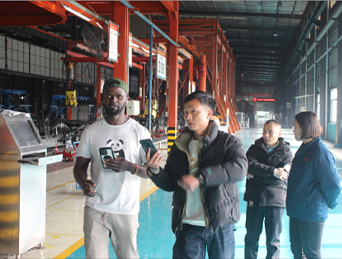
A look at our Chengdu production facility, featuring automated assembly lines, precision metallurgical testing, and quality assurance protocols.
Our primary production facility in Chengdu, Sichuan Province covers 196,000 square meters and employs 186 vehicle engineering professionals, quality technicians, and logistics team members. This footprint enables precision manufacturing for commercial vehicles and mechanical spare parts, including heavy-duty spring brakes.
Our testing center checks every run of spring chambers, S-cam assemblies, and tractor components against rigorous stress parameters. We test spring cycle life, structural seal integrity under high air pressure, and raw material tensile strength. This ensures each vehicle exported to Africa, the Middle East, and Central Asia performs reliably under harsh regional conditions.
Modernized Chengdu plant.
Engineers, technicians, and QA inspectors.
Rooted in engineering and sales.
High client trust and repeat orders.
Tracking the growth of Hongkai Automobile Trading Co., Ltd. through milestones and expansion.
Maintaining high standards across operations, from product assembly to international service support.
Over 20 years of experience in the heavy truck and components industry. Our engineering and sales support staff possess verified technical qualifications to deliver reliable fleet solutions.
We configure braking systems, drive axles, and chassis elements to align with specific regional requirements, handling details from design stages through final export delivery.
We provide technical advice and support before sales, order tracking during production, and technical assistance afterward, resolving fleet maintenance issues quickly.
Building long-term relationships with transport fleets and industrial buyers worldwide.
Detailed answers to key queries on heavy vehicle air brakes, safety compliance, and sourcing logistics.
Explore our export line of heavy-duty trucks and tractor units configured for challenging applications.