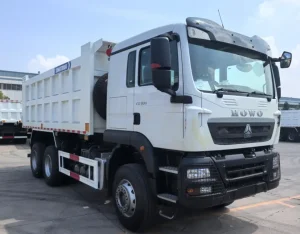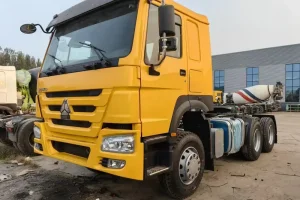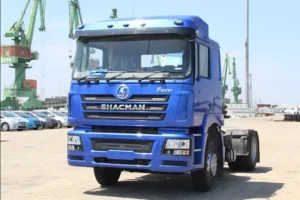
Explore our heavy-duty heavy fleet offerings. Powered by high-torque clutches and robust driveline mechanics, optimized for extreme conditions.
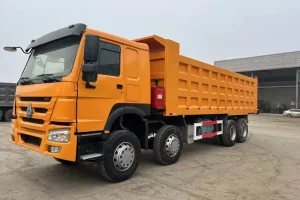
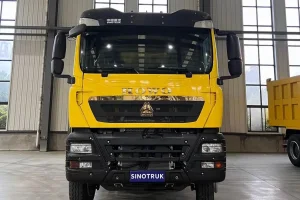
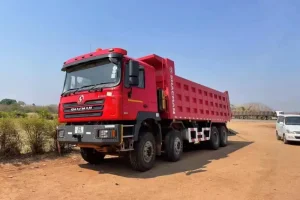
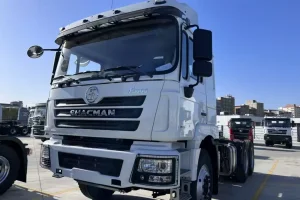
A deep technical and commercial analysis of torque transmission under severe duty logistics and structural operations.
In heavy transport, the dry friction clutch remains the central pivot of power transmission between high-torque diesel plants (such as the Sinotruk WD615 engine family or Shacman's Weichai WP10/WP12 lines) and the transmission gearbox. With global logistics routes traversing extreme geographical domains, the performance, thermal threshold, and clamp forces of clutch assemblies directly impact fleet uptime and operability.
Modern heavy trucks with engine displacements of 9.7L to 12L deliver peak torques ranging from 1,500 Nm up to 2,200 Nm. Transmitting this energy without slip requires diaphragm-spring clutches that are engineered to high standards. Pull-type diaphragm clutches have become the industrial standard, ensuring that clamping force increases as friction materials wear down over millions of operational cycles.
As logistics complexes shift towards automated manual transmissions (AMTs) and severe-duty multi-axle configurations, specialized aftermarket clutches must maintain stable friction coefficients under thermal stresses exceeding 400°C. In places like Central Asia, Africa, and the Middle East, high ambient temperatures combined with dusty roads put heavy demands on clutch disc cover assemblies and release bearings.
A heavy-duty clutch operates by transforming dynamic kinetic energy into thermal energy during engagement. Organic friction linings offer smooth engagement but deteriorate quickly at temperatures above 250°C. Heavy-duty applications, such as the Shacman F3000 or HOWO TX tippers, use copper-mix ceramic or sintered metallic friction pads. These components withstand thermal shocks up to 600°C without significant fade in coefficient of friction (μ). They also utilize heavy-duty torsional dampening springs with high dampening capacities to absorb severe crankshaft vibrations, which helps protect input shafts and gear synchros from premature failure.
From a local Chinese commercial truck dealer to a global provider of heavy transport and driveline components.
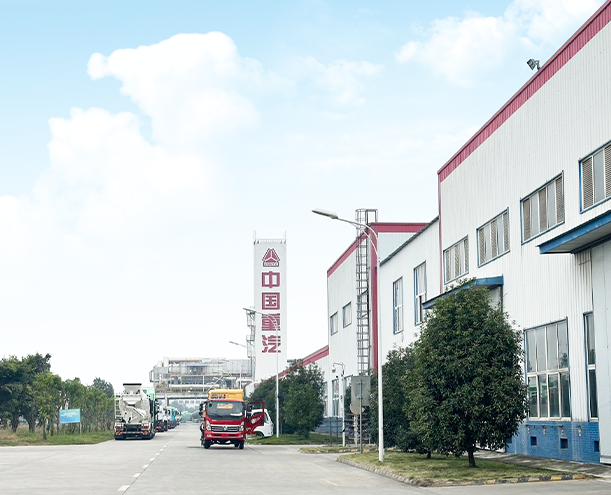
Founded in Deyang City, Sichuan Province, China, Hongkai initially focused on domestic commercial truck sales and drivetrain parts integration. Over the years, we built a comprehensive domestic network, working with fleet operators to optimize operational costs through reliable drivetrain parts and refurbished heavy vehicles.
In 2022, management initiated a globalization strategy, extending operations into Africa, the Middle East, and Central Asia. In 2023, we increased investment in overseas operations, establishing dedicated refitting and testing centers. Our engineering teams specialize in retrofitting driveline configurations to handle local ambient conditions, ensuring that our heavy-duty platforms run efficiently in varied operational settings.
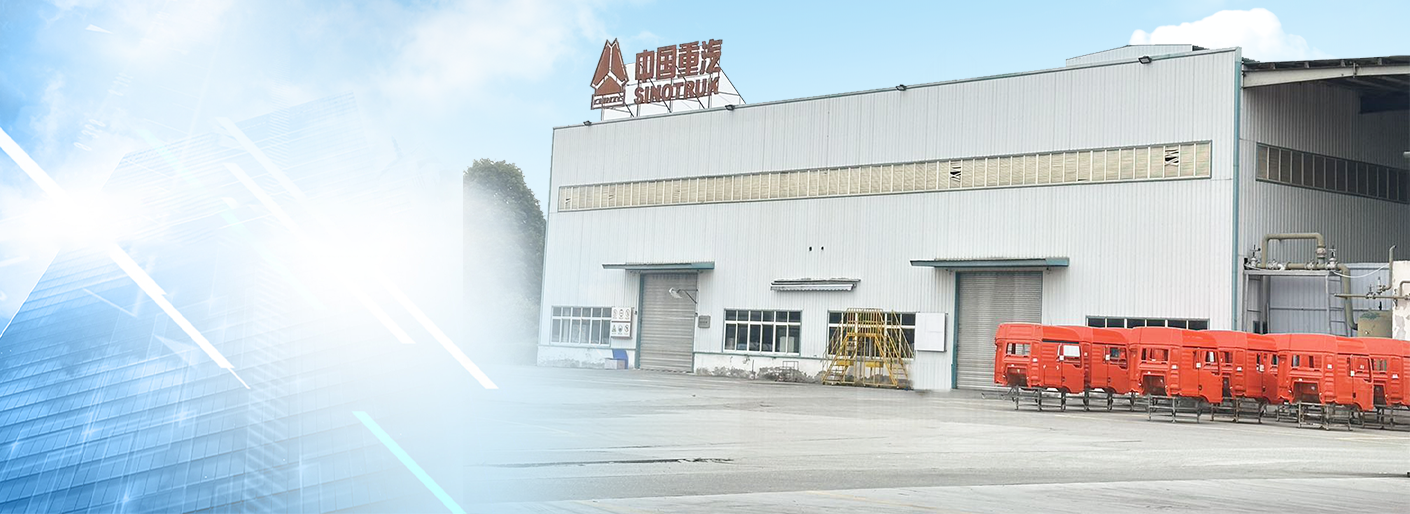
Today, our headquarters in Shundi Auto Trade City covers a 15,000-square-meter office and testing compound. Production is supported by a 196,000-square-meter facility in Chengdu, Sichuan, employing 186 specialists across logistics, design, and vehicle engineering.
Our evolution from a regional Chinese parts dealer into a global heavy-vehicle ecological solutions builder.
Entered the heavy commercial vehicle market. Built early technical expertise on heavy diesel drivelines, planetary gear hubs, and clutch pressure plates through direct engine and gearbox service operations.
Pioneered integrated "lease + contract maintenance" systems. Supported logistics hubs in South China, offering replacement schedules for wear items like clutch plates and brake linings.
Formally established Hongkai. Focused on heavy dump trucks and long-haul tractors, setting up certified supply chains for high-wear transmission and clutch components.
Opened the 20,000-square-meter Hongkai Auto Trade City. Achieved an annual sales volume exceeding 50 million yuan while offering major brands like Sinotruk HOWO and Shacman.
Created a fleet of over 100 smart heavy trucks. Fast-tracked the delivery of spare parts across South China, reducing delivery times for critical wear parts by 70%.
Expanded global services, adapting heavy truck drivetrains to the heat, dust, and load conditions of Africa, South America, and Central Asia.
Looking ahead at innovations in heavy truck powertrains and high-durability friction materials.
Automated Manual Transmissions require precise control of the clutch release mechanism. Modern pneumatic and hydraulic actuators use solenoid valves to modulate clutch travel, reducing wear and smoothing out shifts under heavy loads.
Complying with environmental regulations, next-generation clutches utilize ceramic-carbon composite linings. These advanced formulations eliminate lead and copper while maintaining stable friction coefficients and high burst speeds.
Modern common-rail engines generate high torsional variations at low RPMs. Our multi-stage dampening designs use soft primary springs for idle smoothness and stiffer secondary springs to handle peak torque, protecting the input shaft.
Our operational value, backed by years of vehicle testing, customized solutions, and after-sales support.
Over two decades in the commercial trucking sector. We understand heavy-duty vehicle requirements and can configure drivetrain and clutch setups to match specific operating conditions.
We tailor systems to customer requirements—from specialized friction lining compounds for deep-pit mining to customized hydraulic gear boosters designed for long-haul operations.
Our service networks support your fleet after the purchase. We assist with order tracking, technical consultations, and supplying replacement parts like release bearings and slave cylinders.
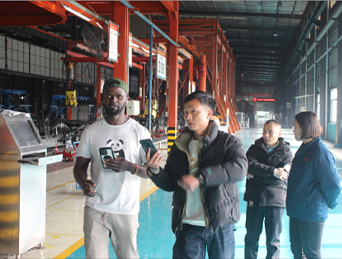
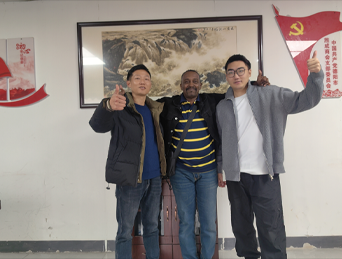
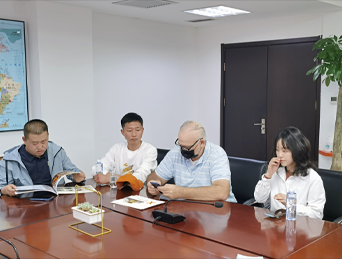
Building strong partnerships through regular site visits and detailed quality control.
Technical answers to common questions about heavy truck clutch systems, wear prevention, and maintenance.
Premature slippage is typically caused by oil contamination from leaking crankshaft rear main seals or transmission input shaft seals. It can also stem from insufficient clutch pedal free-play, which prevents full pressure plate engagement, or from chronic overloading on steep inclines that generates excessive thermal build-up and glazes the friction linings.
Ceramic-metallic (sintered) materials maintain a stable friction coefficient (approximately 0.38 to 0.42) at operating temperatures up to 500°C. Organic facings can fade, glaze, or disintegrate at temperatures above 250°C. Sintered buttons are highly resistant to heat, extending operational life in severe-duty applications.
Pull-type clutches utilize a pivot mechanism that pulls the diaphragm spring toward the transmission during release. This design permits a higher mechanical leverage ratio. As a result, they deliver greater clamping forces for a given pedal effort and maintain more consistent clamping pressure as the friction lining wears.
Ensure the clutch release system has adequate free-play so the bearing is not constantly spinning against the diaphragm spring fingers. Additionally, use high-temperature, load-resistant grease to lubricate the release fork pivot and cross-shaft bushings during regular service intervals.
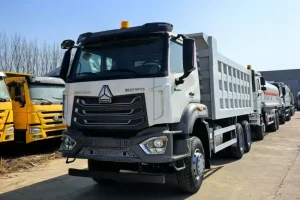
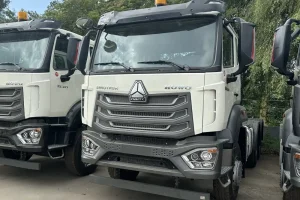
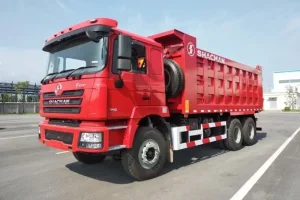
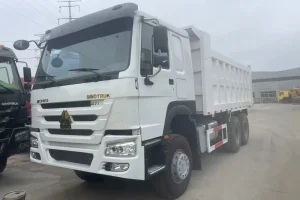
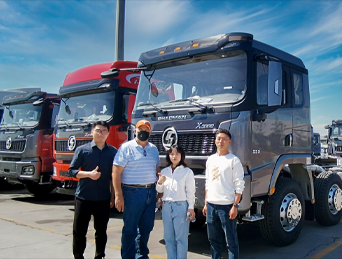
Our heavy-duty tractors and dump truck range, built with high-capacity clutch assemblies to ensure reliable torque delivery.