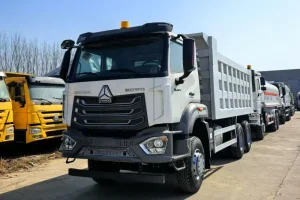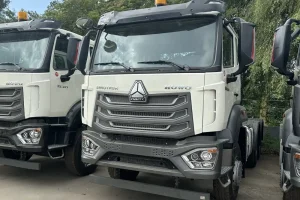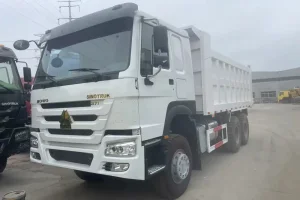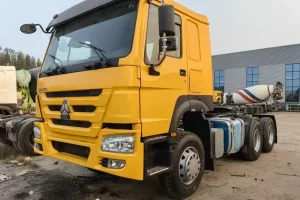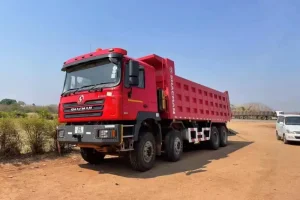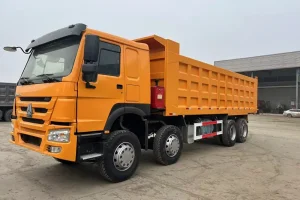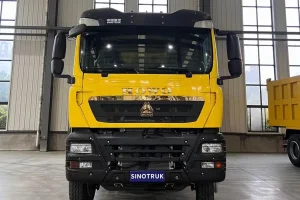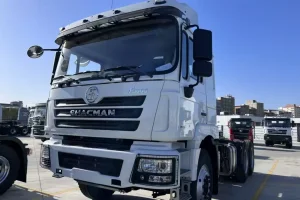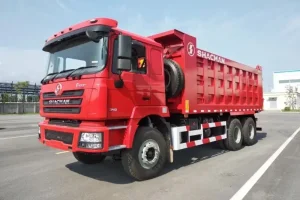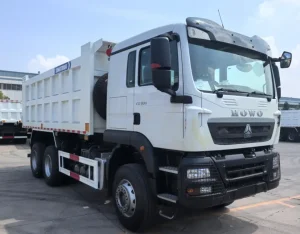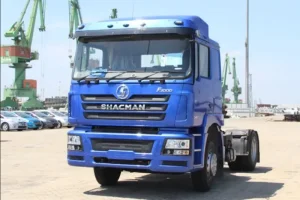
The original product links and images are retained below. These listings support buyers who source telehandlers alongside dump trucks, tractors, tippers, and other heavy equipment for projects in Africa, the Middle East, Central Asia, and beyond.
A telehandler is more than a lifting machine. It is a mobile production asset that connects unloading, lifting, positioning, access, and attachment work across one jobsite. The strongest search intent behind “custom telehandlers manufacturer” is not simply price discovery; it is application fit, safety compliance, parts availability, delivery confidence, and total cost of ownership.
Custom telehandler projects should begin with lift height, rated capacity, load center, attachment weight, ground conditions, duty cycle, and operator environment. A machine configured for agriculture may not meet the stability and safety requirements of a port or construction site.
Forks, buckets, man platforms, crane jibs, bale handlers, sweepers, and winches influence visibility, hydraulics, load charts, and service intervals. The manufacturer and service partner must align attachment interfaces with daily productivity goals.
Global buyers increasingly ask for ROPS/FOPS protection, EN 1459 or ANSI/ITSDF B56.6 alignment, load-moment indication, canopy options, warning systems, and documentation packages that satisfy local inspectors and site safety teams.
Purchase price is only one layer. Fuel or battery efficiency, tire life, hydraulic reliability, operator training, spare parts response, and resale value often determine whether a custom telehandler becomes a profitable asset.
The current market is moving through five visible shifts: electrification in urban and indoor work, stronger load-monitoring and anti-tip systems, telematics-driven maintenance planning, modular attachment ecosystems, and a growing preference for suppliers who can support mixed fleets. For buyers in Africa, the Middle East, Central Asia, Southeast Asia, and Latin America, the ideal partner is not a catalogue-only exporter. It is a manufacturer and service organization that can translate site conditions into a build specification, document the compliance path, and support the machine after delivery. Hongkai’s experience in heavy truck customization, quality control, factory preparation, and export service provides a practical foundation for that model.
Procurement teams now search with detailed intent: “telehandler with 4-ton capacity and 17-meter lift,” “custom telehandler for bale handling,” “Stage V telehandler supplier,” “telehandler parts and service in Africa,” or “CE-certified telehandler with man platform.” A manufacturer page must answer these layered questions with evidence, not slogans.
Infrastructure, mining, and agriculture projects require robust cooling, dust protection, simple diagnostics, and predictable spare-parts channels. Buyers often value suppliers who can combine telehandlers with dump trucks and tractors in one shipment.
High ambient temperatures, sand, and long shifts demand upgraded cooling systems, hydraulic filtration, service access, and operator comfort. Local support and fast response matter as much as the initial machine specification.
Cold weather, rough ground, and dispersed projects require durable drivetrains, reliable starting systems, and clear maintenance intervals. Documentation and operator training reduce downtime in remote regions.
Buyers compare reach, visibility, attachment change speed, braking, and serviceability. For high-cycle operations, the service partner’s ability to support preventive maintenance plans can influence fleet standardization.
Custom telehandler planning should never be separated from the actual work cycle. The right configuration reduces handling steps, improves safety, and allows one machine family to support multiple revenue-generating tasks.
Telehandlers move palletized materials, position steel, support formwork, and feed upper floors when paired with safe lifting plans. Buyers should specify reach, load charts, visibility, attachment change systems, and site access constraints before selecting a model.
Bale handling, grain loading, fertilizer bag handling, and barn maintenance require sealed components, appropriate tires, and attachments that match bale density and stacking patterns. Seasonal peak duty cycles demand fast service support.
Port operations need predictable cycle times, excellent operator visibility, durable braking, and attachments for cargo handling or maintenance. Telematics and preventive maintenance planning help protect fleet availability.
Dust, vibration, uneven ground, and isolated sites call for reinforced protection, filtration, cooling, lighting, and accessible service points. Remote diagnostics and parts planning can reduce expensive production interruptions.
A telehandler manufacturer’s credibility is tested after the machine arrives. Compliance files, operator training, spare-parts mapping, inspection routines, and responsive technical advice determine whether the asset stays productive.
Builds should be supported by load charts, operation manuals, maintenance schedules, key component declarations, and destination-specific conformity documents where applicable. Clear documentation reduces commissioning delays.
Fast-moving parts such as filters, seals, hoses, brake components, sensors, and attachment pins should be identified before shipment. A recommended initial spares kit can prevent small failures from becoming long stoppages.
Training should cover daily inspection, load-chart interpretation, attachment changes, stability awareness, emergency lowering, and preventive maintenance. Trained operators protect both people and machinery.
Packaging, loading, shipping documents, port handling, and destination compliance must be coordinated. Mixed-fleet suppliers can simplify logistics by combining telehandlers with truck inventory and service parts.
Hongkai’s existing service model already emphasizes all-round support before, during, and after sale. The company provides professional consultation and program planning before sale, timely order processing and delivery during sale, and 7×24 technical support and problem solving after sale. This is directly relevant to telehandler projects because buyers need a single communication path for configuration changes, shipment updates, commissioning questions, and spare-parts follow-up.
The next generation of telehandler competition will be shaped by electrification, smart safety, modular attachments, and service data. Manufacturers that document their roadmap earn trust from procurement teams planning five- to ten-year fleet cycles.
Electric and hybrid telehandlers are gaining attention in indoor warehouses, urban construction, food facilities, and emissions-sensitive sites. Buyers should evaluate battery capacity, charging strategy, duty cycle, and service training.
Fleet data can reveal overload events, idle time, hydraulic temperature trends, and maintenance intervals. Remote diagnostics support faster troubleshooting and better parts planning, especially for export customers.
Quick couplers and standardized hydraulic kits allow one telehandler to serve multiple departments. Future designs will focus on faster attachment changes, better visibility, and attachment-aware load limits.
Load-moment indicators, proximity sensors, cameras, auto-leveling, and envelope control are becoming more common. These systems must be integrated with clear operator interfaces and reliable calibration procedures.
For global buyers, the practical roadmap is to define a base machine platform, select region-specific compliance packages, standardize attachments, and plan a spare-parts basket for the first 12 to 24 months. This approach improves procurement discipline and makes it easier to compare quotations from different suppliers using the same technical assumptions.
Hongkai Automobile Trading Co., Ltd. combines heavy-truck trading experience, factory preparation capability, export coordination, and after-sales service discipline. That operating foundation supports custom telehandler sourcing for buyers who need practical configuration advice and reliable follow-through.
The company was founded in Deyang City, Sichuan Province, China, focusing on truck trading in China's domestic market in the start-up phase, and successfully establishing an initial customer network in the local market.
In 2022, the company's management met and decided to open up foreign markets, realizing the first expansion of the business and entering the new market of foreign trade. A lot of cooperation was reached with customers in Africa, the Middle East, and Central Asian countries, laying the foundation for subsequent development. In 2023, the company increased investment in foreign trade, built a factory, and improved operational capacity. In the business of refurbished trucks, we made a significant breakthrough and gradually emerged in the industry.
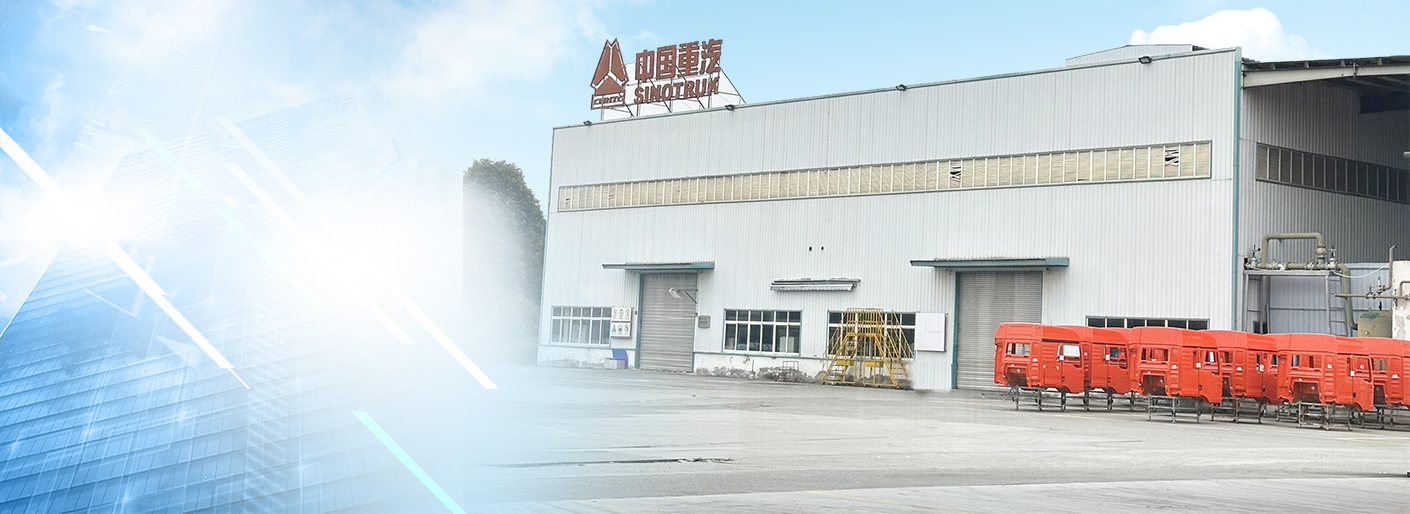
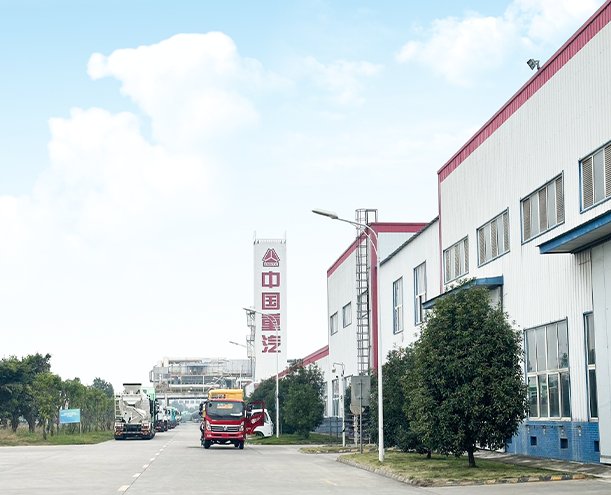
At present, the company's headquarters is located in Shundi Auto Trade City, Deyang City. It has a modernized office area covering an area of 15,000 square meters. The company has its own truck testing center and factory. The factory is located in Chengdu, Sichuan Province, covering an area of 196,000 square meters. The total number of employees has reached 186, including a professional sales team, technical research and development personnel, an after-sales service team, and efficient logistics and operation support staff. We have a large warehousing center that can accommodate a large number of trucks in stock. This operational depth is relevant to custom telehandler projects because configuration control, inspection, loading, and after-sales follow-up require a coordinated team rather than a single trading desk.
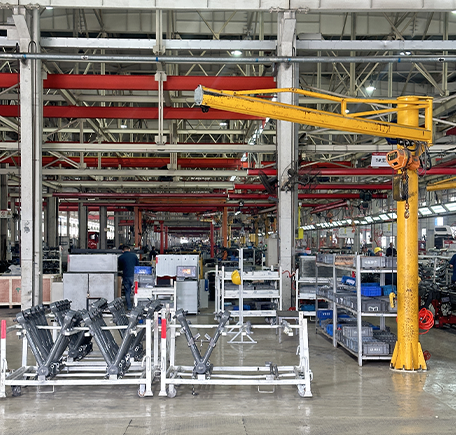
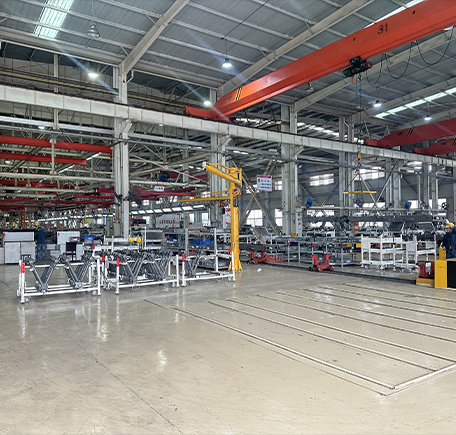
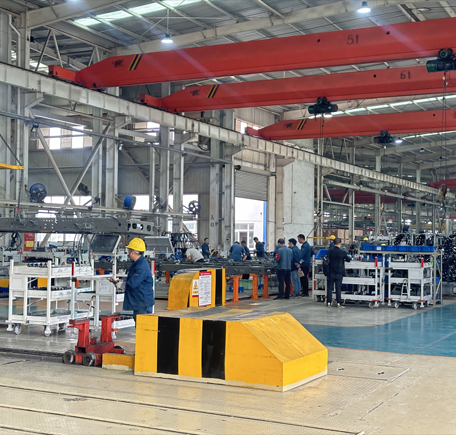
We adhere to the core values of “integrity, professionalism, innovation and win-win.” Integrity is the cornerstone of our dealings with customers and partners, ensuring that every transaction is transparent and fair.
Professionalism is reflected in the team members' in-depth understanding of the trucking industry and excellent business skills, from product knowledge to the trade process to achieve precise control. Innovation inspires us to constantly explore new business models, product technologies and service methods to adapt to rapidly changing market demands. The win-win concept runs throughout the entire business chain, committing us to growing together with suppliers, distributors, and customers and sharing the fruits of development.
A brief history of the growth of Hongkai Automobile Trading Co., Ltd. — the evolutionary path from dealer to ecological builder. The milestones show the operational experience behind our service model.
Entering the field of truck sales, accumulating frontline practical experience amid the roar of diesel engines, and refining the demand map of Chinese heavy-duty truck users.
Established a partnership sales company and pioneered the industry's “financial leasing + maintenance and trusteeship” integrated service. Within three years, the business achieved full coverage of logistics nodes in six provinces in South China.
Independently operated Hongkai Automobile Trade, focusing on the high-end heavy truck market and building a full-chain system of procurement, modification, certification, and after-sales. The service network covered 3 provinces and 6 cities; industrial-chain facilities included 1 exhibition hall, and transportation assets mainly relied on outsourcing.
Built a 20,000 square meter Hongkai Automobile Trade City. After completion of this landmark building, annual sales exceeded 50 million yuan. It represented domestic first-line brands including Sinotruk HOWO, Dongfeng, Jiefang, and Shaanxi Automobile, becoming an important support point for business growth.
Established its own transport fleet, and the first batch of 100+ smart heavy-duty trucks was invested. Customers could receive vehicles in any prefecture-level city in South China within 48 hours, and the response speed of the emergency parts transportation line increased by 70%.
Launched the globalization strategy, which took 10 months. The company actively explored overseas markets and promoted product advantages through a diversified online and offline promotion model, strengthening cooperation in Africa, the Middle East, and Central Asia.
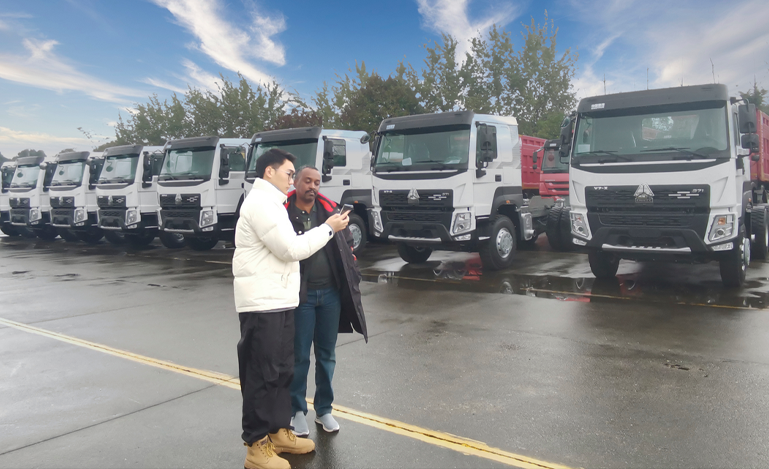
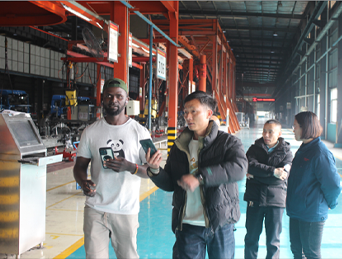
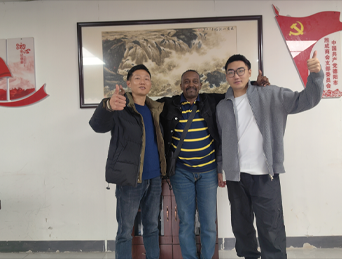
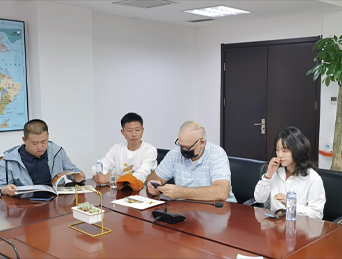
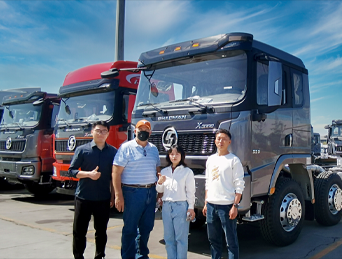
Customer visits are an important part of our service model. They create direct communication on specifications, applications, quality expectations, delivery planning, and long-term support.
These answers reflect the questions global buyers most often ask when comparing custom telehandler manufacturers and service partners.
Customization can include lift height, capacity, attachment interfaces, hydraulic circuits, tires, lighting, climate packages, paint, safety systems, documentation, and market-specific compliance. The goal is to match the machine to the application and destination rather than force a standard model into every site.
Use the actual load weight, load center, attachment weight, lift height, forward reach, ground slope, and duty cycle. A professional quotation should reference load charts and stability limits, not only a headline capacity number.
For mixed-fleet buyers, combining telehandlers with dump trucks, tractors, tippers, or spare parts can improve logistics planning. The original truck product links on this page are retained to support that purchasing approach.
Depending on the destination, buyers may request CE-related documents, load charts, ROPS/FOPS information, operation manuals, maintenance schedules, key component declarations, and inspection records. The exact package should be confirmed before order placement.
Define an initial spares kit based on filters, hoses, seals, sensors, brake components, attachment pins, and high-wear parts. Confirm the parts identification method and response process before shipment so urgent requests can be handled quickly.
Expect clear communication channels, technical troubleshooting, maintenance guidance, operator familiarization, parts recommendations, and documentation support. Hongkai’s service system includes 7×24 technical support and problem solving after sale.
The final product grid preserves additional original product URLs, images, and titles for buyers sourcing trucks, tractors, dumpers, tippers, and mixed equipment alongside custom telehandler projects.
For global projects, confirm specifications, compliance requirements, transport dimensions, and service parts expectations before placing an order. The information above is designed to support buyer due diligence for custom telehandlers, heavy equipment sourcing, and long-term service planning.