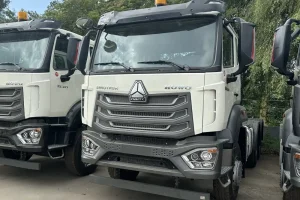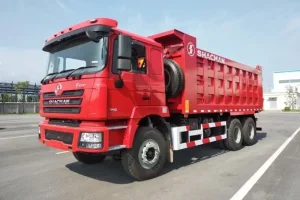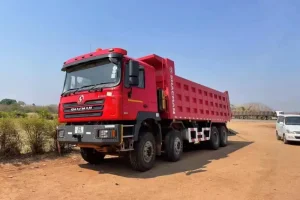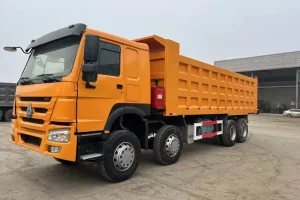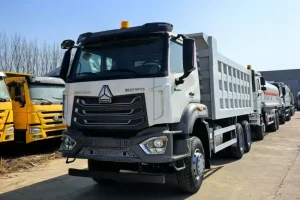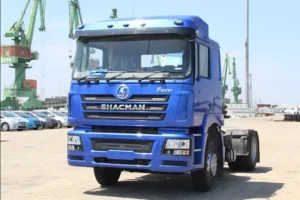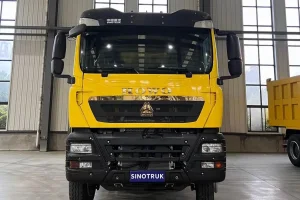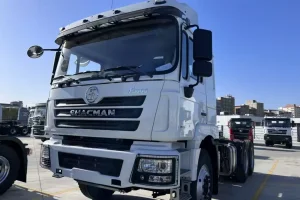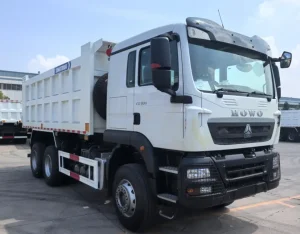
High-capacity engineered vehicles, custom configured for high-stress applications in regional logistical corridors and global mining operations.
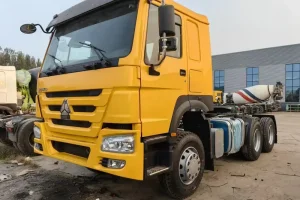
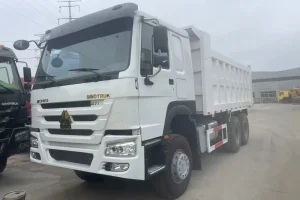
Founded originally in Deyang City, Sichuan Province, China, our enterprise began as an ambitious domestic truck dealer. Focusing heavily on key industrial transport corridors, we successfully mapped and addressed domestic logistical needs, solidifying an expansive network of fleet operators, heavy machinery dealers, and specialized modification hubs.
By offering localized fleet management support and specialized engineering consulting, we rapidly expanded from basic distribution to custom engineering integrations. Today, our focus extends to custom truck chassis design, hydraulic dump mechanism matching, and comprehensive truck refurbishment technologies.
2022 marked our critical pivot to global markets, driven by demand for heavy tippers in emerging infrastructure zones. We leveraged our engineering insights to configure specialized vehicle lines targeting operations in Africa, the Middle East, and Central Asia.
To accommodate this international surge, 2023 saw the launch of our dedicated manufacturing, assembly, and testing lines. We transformed the used heavy-truck sector by introducing strict refurbishment certifications, structural frame reinforcements, and hydraulic system optimizations, creating a seamless ecosystem from initial custom fabrication to global site delivery.
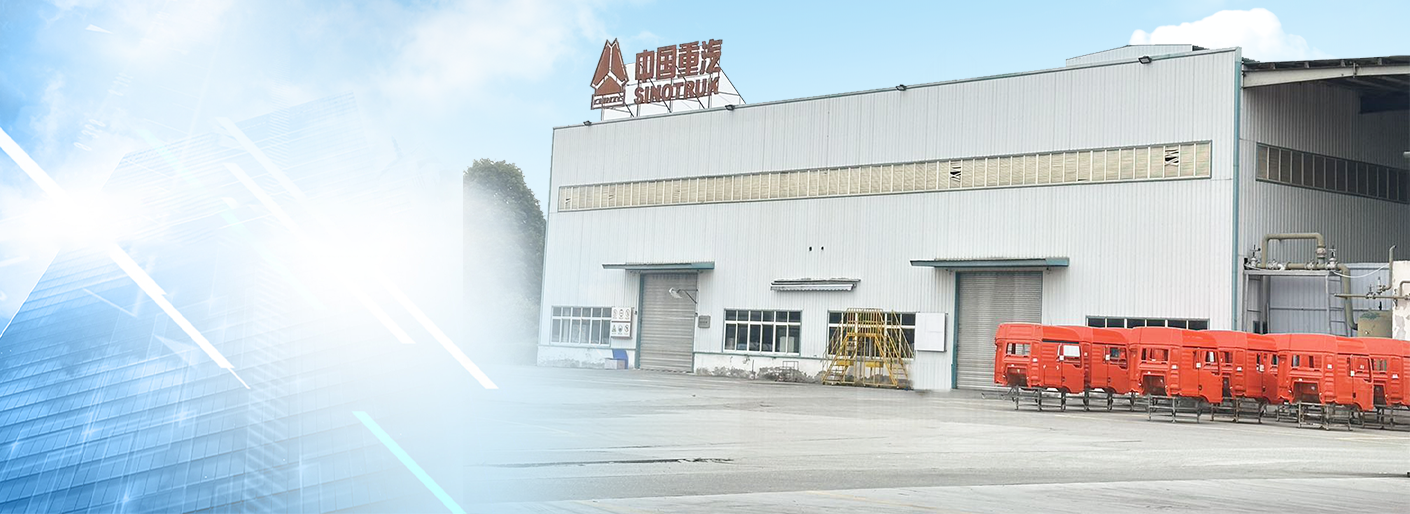
Operating from two key hubs, we maintain complete control over raw material procurement, structural fabrication, hydraulic matching, and quality control.
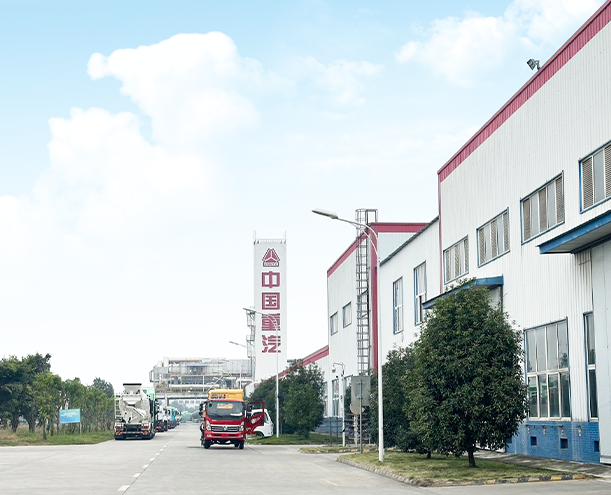
Located within Shundi Auto Trade City, Deyang, Sichuan, our headquarters covers 15,000 square meters. The site hosts our executive administration, customer relations, logistics coordination, and a dedicated vehicle diagnostics testing center where retrofitted units undergo load performance testing.
Spanning 196,000 square meters, our Chengdu assembly plant features automated beam-welding robots, advanced frame-straightening rigs, and eco-friendly painting lines. With a workforce of 186 industry professionals, our operations support custom manufacturing, fleet refurbishment, and high-volume exports.
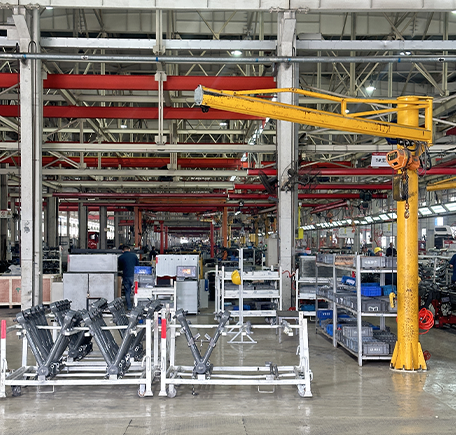
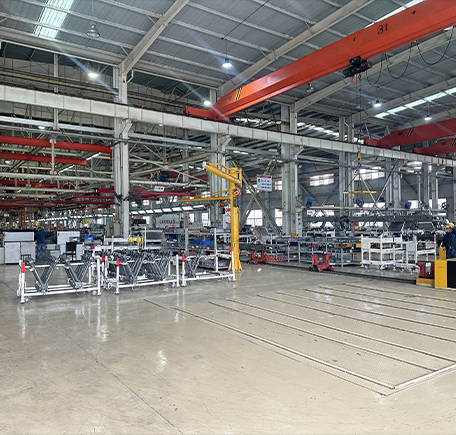
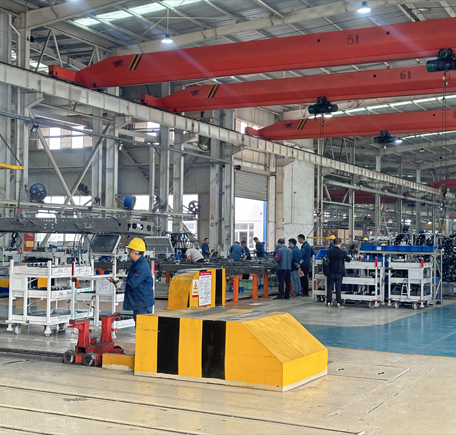
A brief history of the growth of Hongkai Automobile Trading Co., Ltd. - the evolutionary path from local dealer to global heavy equipment ecosystem builder.
We entered the heavy truck distribution sector, building first-hand maintenance experience and analyzing load demands across China's early highway development phase.
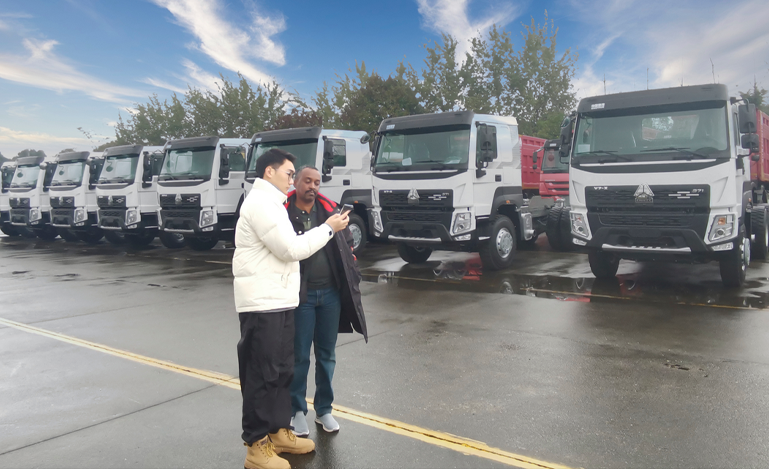
Pioneered integrated "financial leasing + preventative maintenance" service modules, securing contract coverage across major logistics terminals in South China within three years.
Established Hongkai Auto Trade in Deyang, launching a dedicated sourcing, refurbishment, and certification program for high-end heavy vehicles.
Constructed the 20,000-square-meter Hongkai Automobile Trade City. Serving as an authorized partner for top brands like Sinotruk, Dongfeng, Shacman, and Foton, annual revenue quickly surpassed 50 million RMB.
Established our private heavy transport fleet of 100+ connected vehicles. This logistics setup cut emergency part delivery times across South China by 70%.
Launched our global export program, securing fleet supply agreements for heavy mining operations and construction initiatives throughout Africa and Central Asia.
Integrating modern material science with robust heavy vehicle configurations to deliver maximum lifespan under extreme operational stress.
Driven by "Integrity, Professionalism, Innovation, and Win-win" values. We operate with complete transparency, ensuring heavy machinery specifications are certified to withstand demanding jobsite conditions.
Backed by 20 years of fleet experience. Our certified design engineers and technicians hold deep expertise in chassis mechanics, vehicle weight distribution, emissions control, and structural welding standards.
A comprehensive lifecycle support model. We offer engineering design consultations, custom modification planning, end-to-end global customs clearance, and round-the-clock technical parts support.
A technical evaluation of metallurgical selection, structural stress analysis, and hydraulic optimization for international mining and logistics operators.
Heavy tippers and custom dump inserts represent the backbone of resource extraction and infrastructure development. The international market faces a dual challenge: rising machinery acquisition costs and long factory production queues for new equipment. Consequently, fleet operators are turning to high-grade refurbished platforms from leading brands like Sinotruk HOWO and Shacman.
These platforms feature robust modular layouts that are well-suited for heavy-duty modifications. Standard 6x4 and 8x4 configurations allow factories to modify frame strength, adapt dump bodies, and deploy heavy hydraulic cylinders to meet site-specific load demands without the high costs of buying brand-new equipment.
Selecting the right steel grades for modified dump boxes is crucial for minimizing wear and structural fatigue. Standard utility bodies use basic carbon steel (like Q235), which is prone to deformation under heavy impact. For heavy-duty operations, custom plants deploy high-tensile structural steel such as Q345B, Q355, or Hardox-equivalent alloys.
These alloys provide several distinct operational advantages:
The performance of a modified dump body is tied directly to its hydraulic lift configuration. Engineers select hoist designs based on weight distribution and stability requirements:
Proper engineering requires precise matching of heavy-duty power take-off (PTO) gears, high-pressure piston pumps, and sub-frame reinforcement plates. This matching helps avoid frame twisting and structural failure during high-angle dumping cycles on sloped worksites.
Heavy machinery must be configured to withstand the localized environmental conditions of the destination region:
The heavy transport industry is moving toward greater digital integration and cleaner emission profiles. Key technologies shaping this transition include:
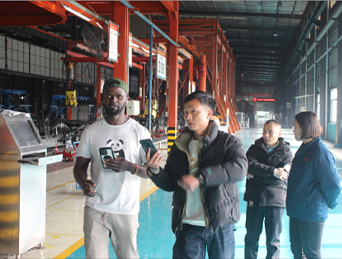
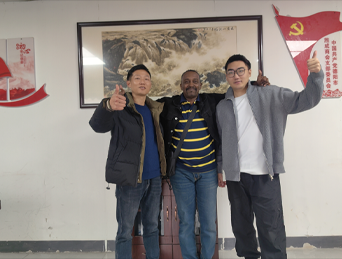
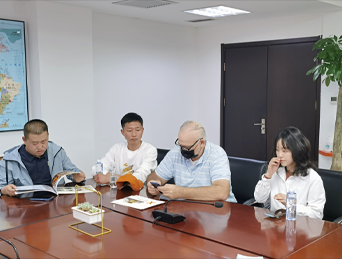
Hosting buyers and logistics coordinators at our Deyang headquarters and Chengdu production lines to inspect and test customized equipment.
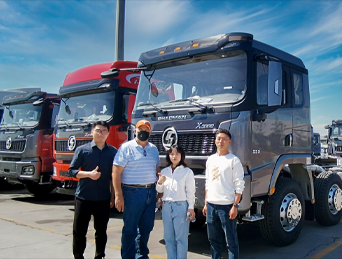
Clear answers to common questions about customization processes, hydraulic configurations, export shipping, and fleet integration.
Our standard builds use high-yield Q345B structural carbon steel for side walls and floors. For mining environments and heavy rock hauling, we upgrade the cargo floor to Q355 or wear-resistant, high-tensile alloy plates. This delivers excellent wear resistance and impact durability, maximizing container life while keeping curb weight low.
We analyze the truck's wheelbase, frame strength, and targeted payload. For long-bed configurations (such as 8x4 tippers or tipping trailers), we install multi-stage front-end telescopic hoists to improve lift leverage and chassis stability. For short-wheelbase 6x4 tippers working on uneven terrain, underbody dual-cylinder lifts are often preferred to maintain a lower center of gravity.
Every used chassis undergoes a rigorous inspection. This includes frame alignment analysis, engine compression testing, gearbox refurbishing, and replacement of high-wear parts (such as seals, air lines, and suspension bushings). The entire hydraulic assembly and cylinder are installed new. Finally, each completed vehicle undergoes full-load road testing and hydraulic function verification before receiving its export certification.
To prevent saltwater corrosion during sea transit, all finished trucks receive a thick layer of protective underbody wax and a marine-grade anti-corrosive coating. Units are shipped via Ro-Ro (Roll-on/Roll-off) vessels or specialized flat-rack containers to ensure they arrive on-site clean and ready for immediate deployment.
Yes. We tailor engine configurations to match the fuel and emissions regulations of the destination country. For regions where ultra-low-sulfur diesel is not widely available, we configure robust Euro 2 or Euro 3 mechanical engines. For areas with strict environmental controls, we supply Euro 5 or Euro 6 compliant systems with exhaust aftertreatment systems.
Explore our complete range of certified heavy vehicles, tractor heads, and custom tippers, fully configured to meet demanding logistics requirements.