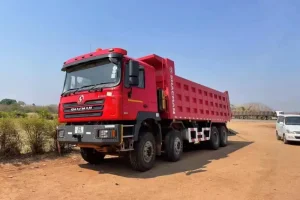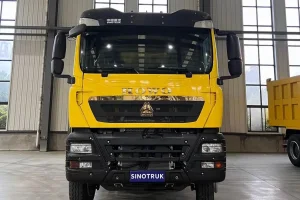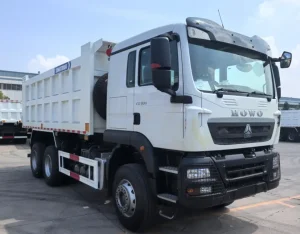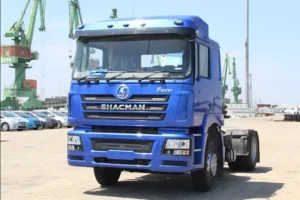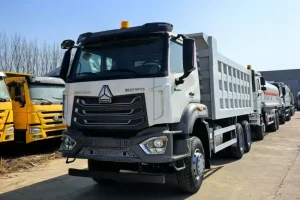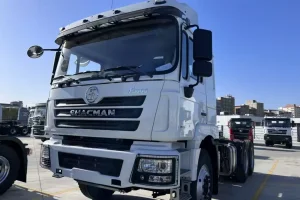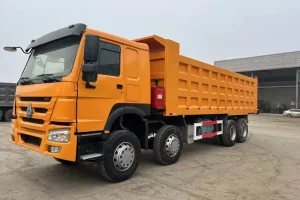
Explore our premium selection of Sinotruk HOWO and Shacman series, meticulously checked, calibrated, and custom-configured for heavy lifting and rough-terrain hauling.
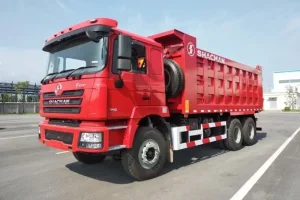
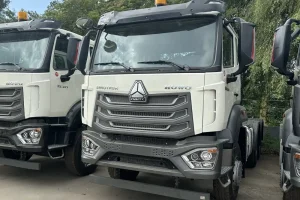
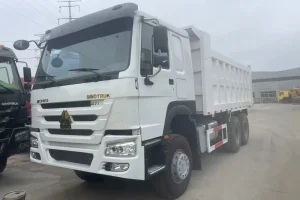
Analysis of how dual-purpose lifting and hauling solutions maximize ROI across global infrastructure, municipal developments, and heavy engineering projects.
The global heavy machinery sector is experiencing a paradigm shift towards equipment multifunctionality. Among these advancements, the integrated dump truck crane (often termed crane-mounted dump truck or tipper with crane) stands out as a high-value asset. By merging the vertical handling capabilities of a hydraulic loader crane with the horizontal transport capabilities of a heavy-duty tipper, fleet operators drastically reduce turnaround times, minimize idle personnel costs, and optimize site asset footprints.
Across emerging economies in Africa, Central Asia, and the Middle East, logistical inefficiencies often account for up to 30% of total construction project costs. Traditional methods require dispatching a separate mobile crane and a fleet of dump trucks to a single site. This dual-asset configuration increases capital expenditure (CAPEX) and exposes operations to synchronisation issues. Integrated dump truck cranes address this structural pain point directly by enabling self-loading, hauling, and self-unloading via a single chassis operated by a single driver-operator.
Historically, importing separate units was standard. However, structural raw material logistics, urban pipeline repair, railway logistics, and power grid maintenance now demand immediate site readiness. The capability to carry loose structural aggregates (such as sand, gravel, and asphalt) while possessing the hook lifting power to deploy heavy pumps, concrete rings, or electrical poles guarantees that a project's timeline remains unimpeded by crane scheduling bottlenecks.
A deep dive into chassis integration dynamics, boom metallurgy, hydraulic fluid management, and next-generation power take-off (PTO) mechanisms.
Installing a knuckle-boom or telescopic loader crane onto a tipper chassis is not a simple bolt-on assembly; it requires rigorous structural engineering. The conversion changes the vehicle's center of gravity and alters stress distributions across the chassis frame during operations. Modern Chinese manufacturers like Sinotruk and Shacman work closely with specialized bodybuilders to construct subframes designed using Finite Element Method (FEM) analysis to absorb localized twisting moments.
Depending on the operational constraints, exporters offer two distinct mechanical boom technologies:
| Performance Parameter | Articulated Knuckle-Boom Cranes | Stiff Telescopic-Boom Cranes |
|---|---|---|
| Chassis Footprint | Ultra-compact, minimizes dump bed intrusion | Requires longitudinal overhead clearance |
| Lifting Vector Flexibility | Excellent (can bend over obstacles & load cargo) | Linear, suited for high-angle direct lifts |
| Hydraulic System Complexity | High pressure, multi-valve block control | Medium pressure, simple telescopic cylinders |
| Average Refurbishment Cost | Slightly higher due to articulated joints | Economical, highly standardized components |
The standard tipper frame is designed primarily for vertical loads. When a crane operates, it creates lateral torsional forces. Chinese engineering relies on dual-layer high-tensile steel frames (typically 8+8mm or 8+5mm configurations) constructed from Q345B or Q460 steel. This double-layer chassis ensures structural integrity during maximum-capacity lifts, preventing permanent frame deformation.
As emission regulations tighten globally, the next generation of dump truck cranes will utilize dual-power architectures. This involves operating the truck's engine to drive to the site, then switching to an auxiliary electric power pack (e-PTO) plugged into local power sources or powered by an on-board lithium iron phosphate (LFP) battery bank. This removes emissions during localized lifting tasks, dramatically lowering site noise levels and operational costs in urban areas.
Real-world deployments showcasing engineering adjustments tailored to the extreme climates of Africa, Central Asia, and Latin America.
Primary Regions: Middle East, North Africa, Sahel Zone.
Operating heavy machinery in temperatures exceeding 45°C requires robust heat dissipation. Standard setups often suffer from hydraulic oil thinning, resulting in pressure drops and seal failures. Vehicles built for these conditions feature oversized hydraulic oil coolers and customized oil tanks with high-capacity dust filtration systems, protecting the crane valves from fine sand particles.
Primary Regions: Central Asian Steppes, Andean Mountains.
Cold starting diesel engines in environments below -20°C requires specialized fuel-preheating systems, high-cranking cold-start batteries, and low-viscosity hydraulic oil (ISO VG 32 or synthetic equivalents). Chassis frames are heat-treated to maintain ductile fracture resistance and prevent low-temperature steel embrittlement during heavy lifts.
Primary Regions: Southeast Asia, Coastal West Africa.
High relative humidity and saline environments accelerate oxidation. Heavy-duty exporters apply specialized anti-corrosion treatments, such as marine-grade primer systems, chrome-plated cylinder rods with double-seal packings, and galvanized hydraulic lines, ensuring a rust-free lifespan of over 10 years.
Our manufacturing and maintenance facilities, located in Deyang and Chengdu, Sichuan, utilize advanced remanufacturing techniques to transform pre-owned commercial chassis into export-ready heavy assets.
China's heavy truck supply chain stands as a global leader in both capacity and speed. Access to top-tier steel manufacturers, hydraulic component suppliers, and state-of-the-art tooling allows Sichuan-based exporters to deliver highly customized vehicles at scale. Our factories implement strict, step-by-step processes for pre-owned truck customization and refurbishment, ensuring each unit meets or exceeds original manufacturer standards.
We source high-grade used vehicles from verified, low-mileage fleets in China. These units undergo extensive diagnostic runs to confirm frame straightness, engine compression, and transmission smoothness before entering the re-manufacturing line.
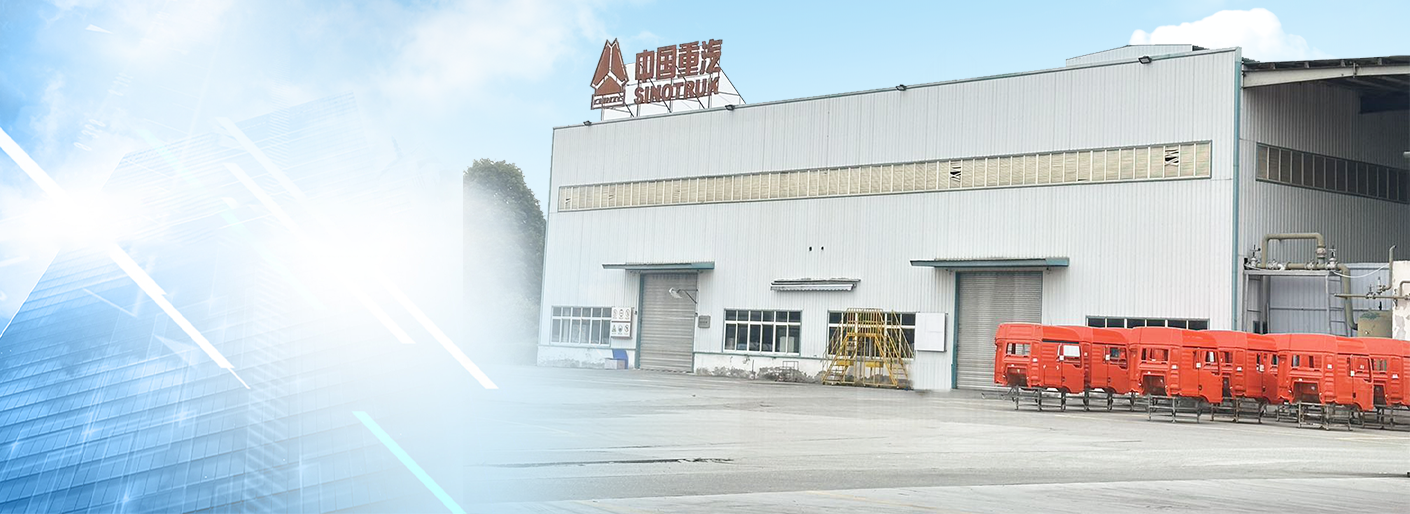
At present, the company's headquarters is located in Shundi Auto Trade City, Deyang City. It has a modernized office area covering an area of 15,000 square meters. The company also features its own dedicated truck testing center and refurbishment factory.
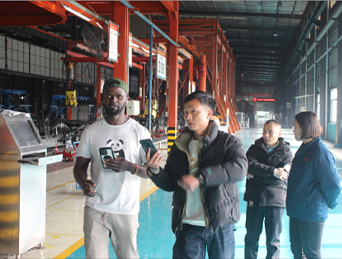
The main factory is located in Chengdu, Sichuan Province, covering an area of 196,000 square meters. The total number of employees has reached 186. This workforce includes a professional sales team, technical research and development personnel, and a dedicated after-sales service team, supported by efficient logistics and operation staff. We operate a large warehousing center that maintains a steady stock of trucks, ensuring short delivery windows for international clients.
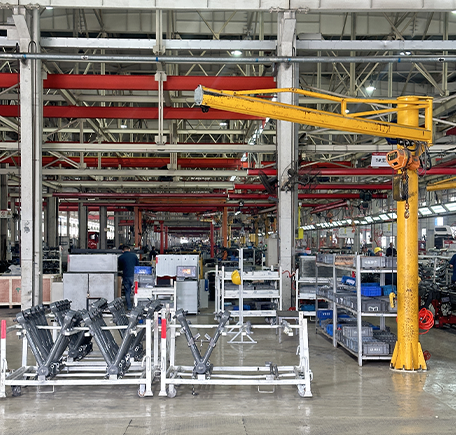
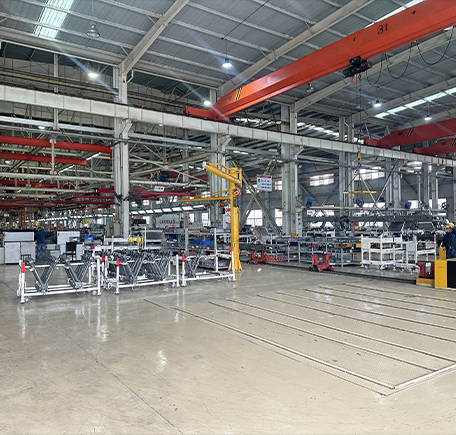
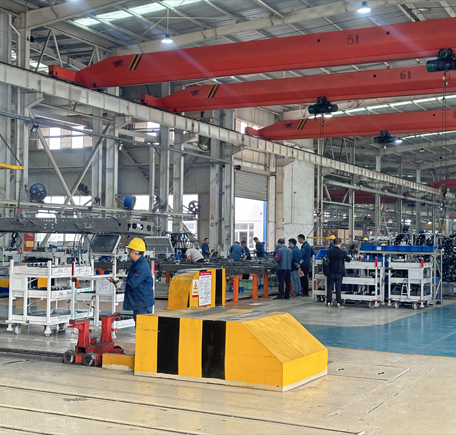
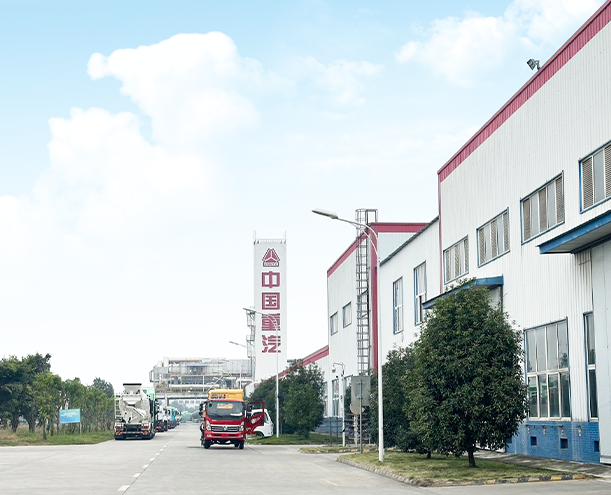
We adhere to our core values of "integrity, professionalism, innovation, and win-win". Integrity serves as the cornerstone of our client relations, ensuring that every transaction is transparent and fair.
Our professionalism is reflected in our team's deep understanding of the trucking industry and our execution of precise controls across the trade process, from initial configuration analysis to final port delivery. Innovation inspires us to explore new refurbishment processes, remote diagnostic technologies, and improved service methods. By working closely with suppliers and distributors, we focus on growing together and sharing the fruits of development.
The evolutionary path of Hongkai Automobile Trading Co., Ltd. from a local truck dealer into a comprehensive international heavy equipment logistics ecosystem provider.
Entered the field of truck sales, accumulating frontline practical experience and refining the demand map of Chinese heavy-duty truck users.
Established a partnership sales company, pioneered the industry's "financial leasing + maintenance and trusteeship" integrated service, and achieved full coverage of logistics nodes in six provinces in South China within three years.
Independently operated Hongkai Automobile Trade, focusing on the high-end heavy truck market, and building a full-chain system of procurement-modification-certification-after-sales.
Built the 20,000 square meter Hongkai Automobile Trade City. Annual sales volume exceeded 50 million yuan, representing first-line brands including Sinotruk HOWO, Dongfeng, Jiefang, and Shaanxi Automobile.
Established our own transport fleet, deploying over 100 smart heavy-duty trucks to enable 48-hour delivery across South China and boosting parts logistics speed by 70%.
Expanded overseas operations, establishing a customer network across Africa, the Middle East, and Central Asia. We scaled up foreign trade investments, refined our factory workflows, and standardized international warranty support protocols.
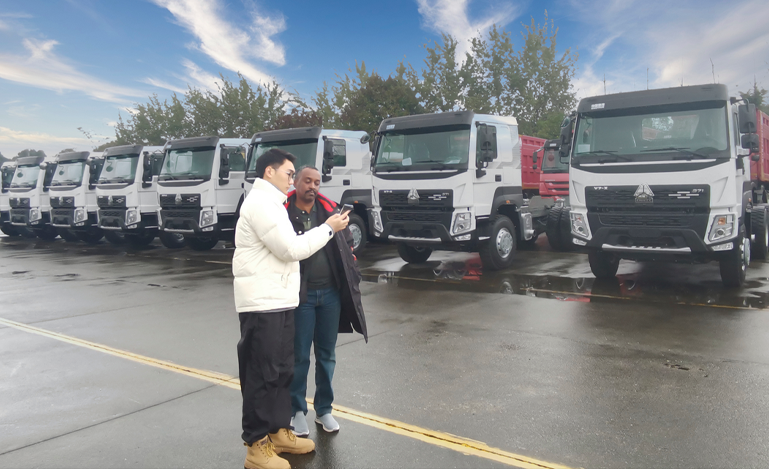
A closer look at the technical capabilities, service networks, and operational protocols that differentiate our export process.
Deep Industry Roots: Over 20 years of experience in heavy machinery trading, enabling our teams to anticipate regulatory updates and structure complex configurations with ease.
Certified Technicians: All refurbishment staff hold advanced diagnostic and welding certifications to ensure high structural reliability.
Bespoke Engineering: From frame reinforcement styles to the selection of knuckle-boom hydraulic pumps, we customize every configuration to the operator's exact specifications.
Consistent Quality Control: Every phase of assembly, from the initial weld to final hydraulic testing, is subjected to rigorous quality check points.
All-Round Service: From pre-purchase specification consulting to cross-border shipping coordination, we cover every step of the export transaction.
Ongoing Technical Support: Our dedicated technicians remain available online to assist with commissioning and troubleshooting issues post-delivery.
A breakdown of the legal frameworks, emissions standards, and structural load verifications required for importing dump truck cranes into global target regions.
B2B importers must navigate a complex array of local roadworthiness regulations and import duties. Ensuring that the imported dump truck crane complies with regional weight limits and axle weight limits is critical to preventing customs delays. As standard practice, Hongkai provides complete engineering data files for customs inspections, including axle load calculations, GVW (Gross Vehicle Weight) diagrams, and crane load moment curves.
Different importing regions enforce distinct tailpipe emissions regulations. We supply engines configured to meet Euro 2, Euro 3, Euro 4, and Euro 5 standards. We ensure fuel system calibration matches the high-sulfur diesel profiles commonly found in developing logistics networks, protecting injection pumps from early fuel-delivery wear.
To assure absolute transparency, every dump truck crane undergoes a comprehensive inspection by third-party testing agencies such as SGS, Bureau Veritas (BV), or Cotecna. Inspection records cover hydraulic cylinder drift tests, engine compression diagnostics, and load-limit safety switch functions, giving importers verifiable operational reports before the unit leaves the port.
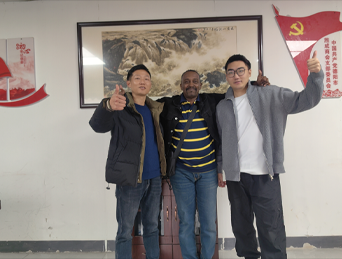
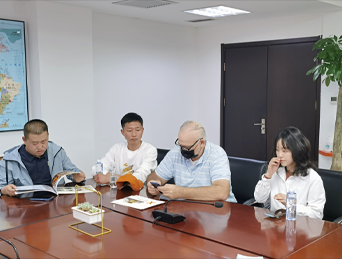
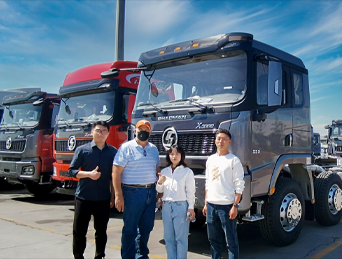
We host visitors from over 30 countries annually at our testing center in Deyang and production facility in Chengdu, establishing long-term business partnerships built on transparency.
A breakdown of the component costs, shipping rates, and maintenance expenses that make up the total operational cost of a dump truck crane.
When analyzing a price list for a dump truck crane, smart procurement managers look beyond the initial FOB port price to evaluate the total lifecycle cost of the machinery. The purchase price is determined by several core component options, chassis wear levels, and hydraulic lift configurations:
Answers to common questions regarding structural configurations, shipping logistics, and customs clearance procedures.
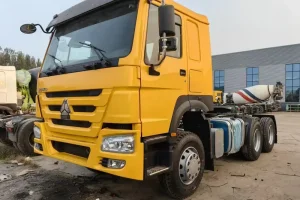
Choose from our heavy-duty dumper models, tractor heads, and high-horsepower multi-axle configurations, built to deliver reliable performance across tough job sites.