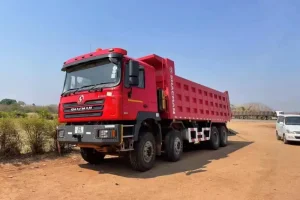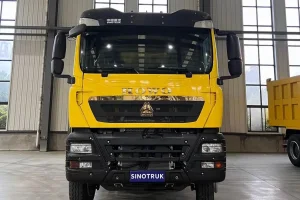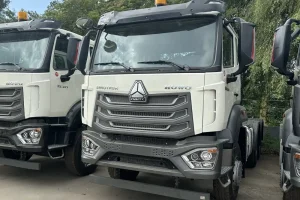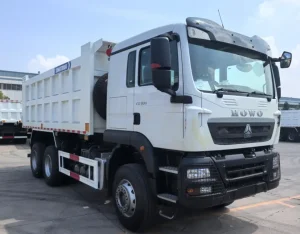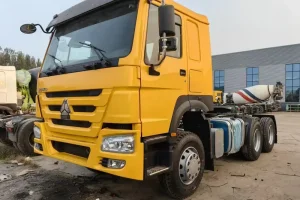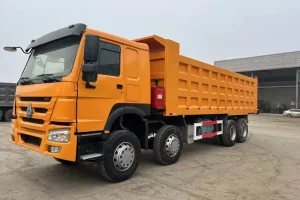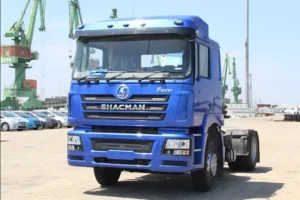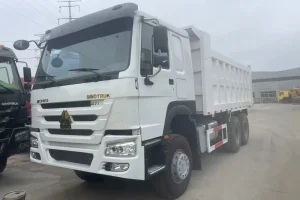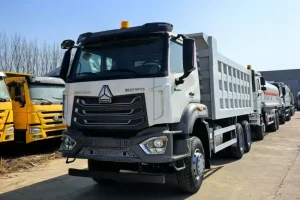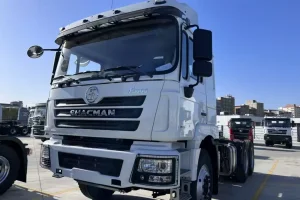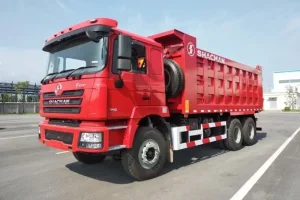
Explore our premium heavy-duty tractor units and dump truck systems designed for severe-duty recovery, payload hauling, and robust logistical execution.
The global vehicular recovery, commercial towing, and emergency roadside service industries are experiencing a transformative era. At the heart of this operational evolution is the rising demand for resilient, high-capacity cheap tow truck accessories that bridge the gap between financial practicality and heavy-duty structural integrity. Fleet operators, municipal transit networks, and salvage organizations globally require premium towing attachments, underlift configurations, hook assemblies, winch components, and tie-down configurations to guarantee safety in dynamic recovery zones.
Historically, high-end wrecker hardware carried massive markup margins. Today, regional manufacturing clusters leveraging streamlined logistics channels—specifically out of heavy-industry centers such as Deyang and Chengdu in Sichuan, China—have established efficient, direct-to-consumer supply chains. By utilizing state-of-the-art metallurgical testing and mass-component machining, manufacturers can supply robust towing adapters, heavy tractor parts, and recovery components at wholesale cost. These structural accessories are engineered to integrate seamlessly into major global chassis architectures, including Shacman, HOWO, Dongfeng, and Jiefang, offering unmatched adaptability in diverse industrial environments.
Modern vehicle recovery is no longer just about raw mechanical power. It requires advanced material science, load-monitoring systems, and highly integrated hydraulic components. The integration of high-tensile synthetic fiber ropes, smart load-cell sensors on recovery booms, and optimized power take-off (PTO) adapters has changed how operators approach high-risk extractions.
As heavy vehicles scale up in overall gross vehicle weight rating (GVWR), tow accessories must undergo rigid metallurgical optimization. The deployment of lightweight, high-performance alloys ensures that underlift structures, pivot assemblies, and slide-in receiver forks reduce unladen vehicle weight, thus maximizing the legal towing capacity of the primary wrecker. Concurrently, digitalization is shaping the industry: remote-controlled hydraulic valves, telemetry units tracking real-time winch tension, and safety alert signals are standardizing the safe deployment of mechanical power.
Towing demands and recovery standards vary dramatically across global territories. To maintain efficiency, wrecker accessories and towing truck configurations must adapt to regional environments, infrastructure challenges, and local regulations.
Across resource-rich African regions, recovery operations often take place far from paved infrastructure. Towing accessories must withstand abrasive dust, extreme heat, and uneven terrain. Here, heavy-duty 6x4 and 8x4 tractor configurations equipped with durable steel mechanical suspensions, high-clearance dump bodies, and high-capacity underlifts are critical. Heavy chain bundles, reinforced towbars, and mechanical winches are prioritized to minimize reliance on electronic systems that can be difficult to service in remote areas.
In the Middle East, high temperatures and sandy environments present unique challenges. Fine sand particles can easily penetrate open gear systems and hydraulic seals, leading to premature wear. Equipment operating in this region must feature sealed hydraulic components, dust-proof winch casings, and specialized sand recovery tracks. Heavy-duty transport focuses on maximizing thermal dissipation to prevent hydraulic fluid from overheating during long-distance hauls.
Central Asian trade routes run through high-altitude regions with extreme seasonal temperature fluctuations. Metals become brittle in severe cold, making standard towing accessories vulnerable to stress cracking. Equipment for these environments must use low-temperature impact-resistant alloys, along with heated hydraulic lines and specialized grade-80 and grade-100 alloy chain configurations to prevent structural failure.
Established in 2014 in Deyang City, Sichuan Province, China, Hongkai began as a domestic truck trading enterprise. By understanding the rigorous demands of heavy vehicle transport, we built a comprehensive logistics and service network. In 2022, Hongkai expanded into global markets, exporting heavy-duty tractors, refurbished dump trucks, and specialized recovery components to Africa, the Middle East, and Central Asia.
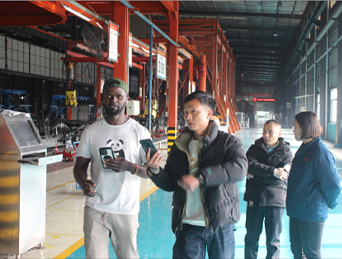
In 2023, Hongkai invested in a state-of-the-art refurbishment and testing facility, enhancing our vehicle preparation capabilities. Today, we manage a massive 196,000 square meter factory in Chengdu, Sichuan, employing 186 industry professionals. This infrastructure allows us to conduct thorough quality checks and offer custom configurations on all commercial towing, hauling, and heavy-duty logistics equipment.
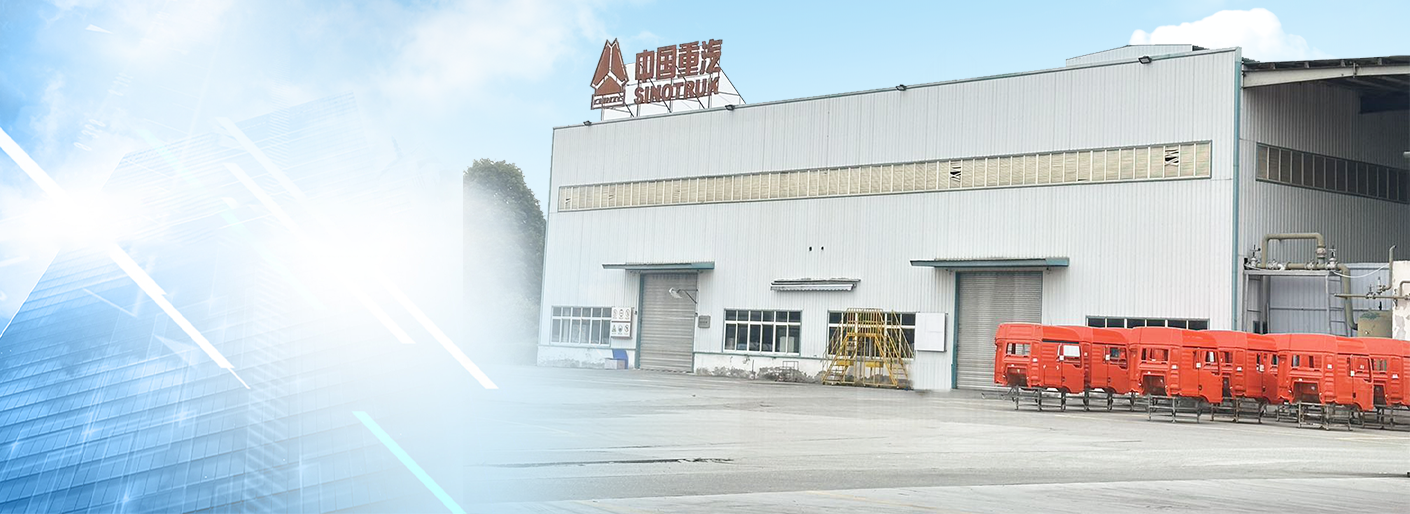
A look inside our 196,000 sqm Chengdu factory and our 15,000 sqm headquarters in Deyang City, housing advanced diagnostics and refurbishment bays.
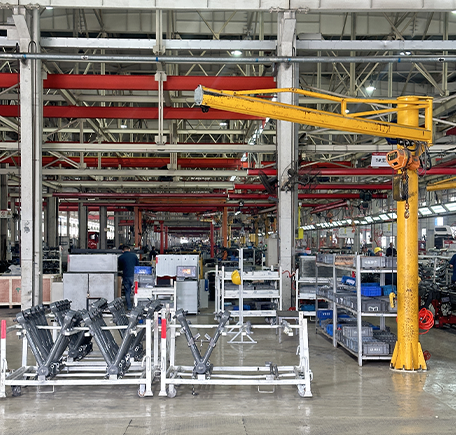
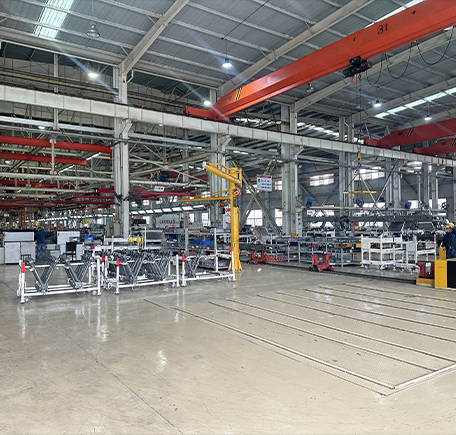
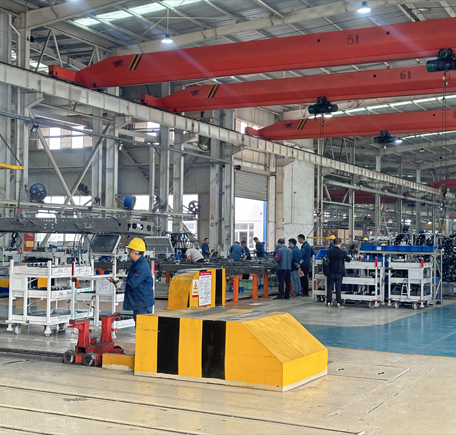
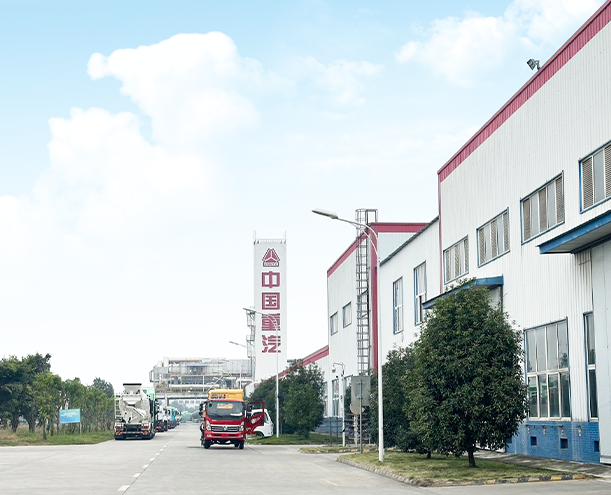
The strategic path of Hongkai from a regional truck dealer to an international heavy-vehicle and custom transport supplier.
Began in heavy-duty truck sales, gathering key insights into the requirements of truck operators and fleet managers.
Introduced integrated financial leasing and maintenance support programs across southern logistics nodes.
Officially registered Hongkai Auto Trade in Deyang, centering operations on high-performance commercial vehicles and accessories.
Established the 20,000 sqm Hongkai Auto Trade City, representing leading heavy truck manufacturers, including HOWO and Shacman.
Deployed a logistics fleet of over 100 heavy trucks, significantly improving parts delivery times across regional hubs.
Launched global expansion initiatives, establishing export networks in West Africa, Central Asia, and the Middle East.
We work closely with fleet managers, logistics corporations, and construction groups worldwide to deliver tailored heavy-vehicle configurations.
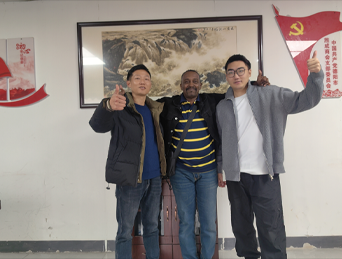

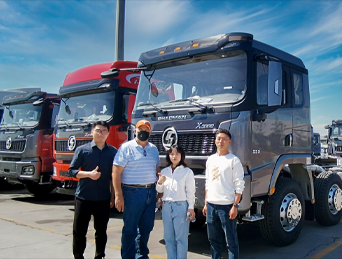
Get professional advice on choosing parts, evaluating load limits, and customizing heavy recovery trucks.
Explore our selection of tractor units, tipper platforms, and heavy-duty chassis designs suited for recovery and transport fleets.