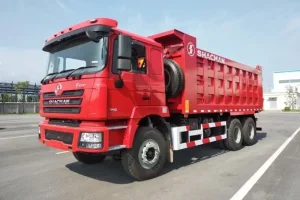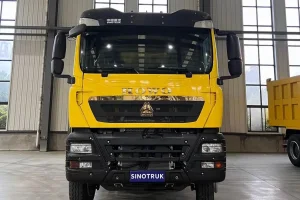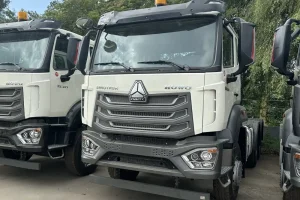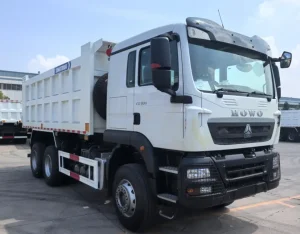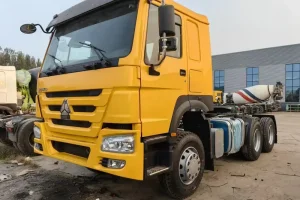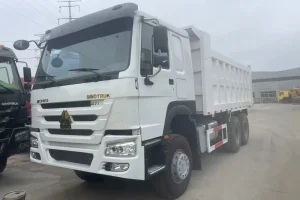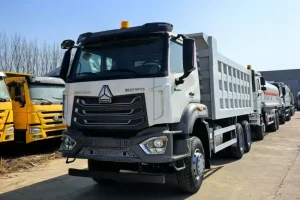
Premium logistics assets built to endure severe winter operations and harsh terrain, supplied directly to global freight networks.
In the global commercial transport corridor, heavy-duty fleet operations face unprecedented climatic and regulatory pressures. Ensuring safety, maintaining uninterrupted logistics throughput, and adhering to strict legal frameworks require highly specialized solutions. Among these, the adoption of CE-certified semi truck chains has transitioned from a seasonal best-practice to a rigid operational mandate across key regional jurisdictions.
CE certification acts as a primary entry barrier and trust signal for commercial snow chains in European and international markets. Under standards like EN 16662-1:2020 (the standardized EU-wide specification for supplementary grip devices), snow chains are subjected to destructive stress tests, dynamic wear tolerance analyses, and friction efficiency metrics on ice and packed snow. For heavy logistics vehicle chains, these standards guarantee that the metallic links can withstand the rotational torque and weight load of fully laden semi trucks, often exceeding 40 metric tons.
| Standard / Regulation | Applicable Region | Key Testing Parameters | Compliance Requirement |
|---|---|---|---|
| EN 16662-1:2020 | European Union (EU-wide) | Dynamic endurance, clearances, winter traction coefficient | Mandatory for light & heavy vehicle accessory approval |
| Ö-Norm V5119 | Austria / Alpine Transit | Heavy-duty commercial vehicle compatibility, continuous link contact | Legally required for heavy truck transits across Austria |
| SAE Class S | North America | Minimum wheel well clearance profile & durability limits | Standard compliance guidelines for US/Canada highways |
| ISO 9001 / CE Mark | Global Trade | Factory quality control, material trace-ability, safety margins | Essential baseline certification for industrial exporters |
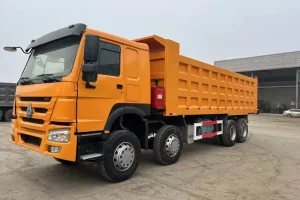
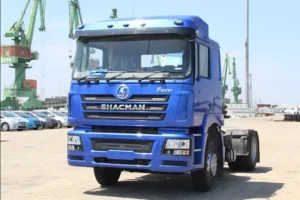
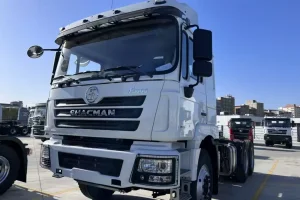
Our role as a comprehensive heavy machinery and component supplier ensures that every chain we manufacture and distribute aligns with these metrics. Heavy tractor heads, such as the HOWO TX 371HP or the Shacman F3000, require robust traction support that matches the mechanical output of their multi-axle drivetrains. Inadequate chain structures risk link fracture, which can destroy brake lines, damage suspension housings, and compromise public highway safety.
The manufacturing ecosystem of heavy truck traction equipment in China leverages advanced alloy development and massive operational scale. Modern factories, particularly those situated within Sichuan’s industrial corridors, combine structural metallurgical excellence with automated production. We utilize specialized steel varieties like Manganese Nickel Alloy Steel (20Mn2 or 25MnV), which are hard-case carburized using precise thermal processing. This treatment yields a highly ductile core combined with a ultra-durable exterior shell, minimizing cross-member wearing under heavy friction.
Using fully computerized wire-bending and link-welding machines, our factory floor achieves micrometer-level uniformity. This uniform spacing is critical for ensuring even distribution of torque across the dual tires of heavy-duty transport vehicles.
We subject the chain links to deep carburizing treatments. This increases the surface hardness of the steel to > 58 HRC (Rockwell Hardness), protecting against high-abrasion surfaces like granite, packed mountain ice, and frozen rock beds.
By integrating raw material sourcing within China's largest industrial steel clusters, we pass substantial cost advantages to international buyers, ensuring competitive wholesale quotes on container-load volumes.
Founded in 2014, Hongkai began its journey in Deyang City, Sichuan Province, China. Initially focused on domestic commercial truck sales, our management built a robust foundation of supply networks and trade execution. As we grew, the imperative to serve global industrial markets led us to pivot to international exports, scaling up production, refurbishment, and certification capabilities.
By establishing key operational centers, including our 196,000 square meter facility in Chengdu and our corporate headquarters spanning 15,000 square meters in Shundi Auto Trade City, we have formed a deep-seated ecosystem of commercial vehicle logistics. Our professional staff of 186 employees ensures that truck exports—and their vital safety accessories like CE-certified snow chains—are delivered to client networks across Africa, the Middle East, Central Asia, and Europe.
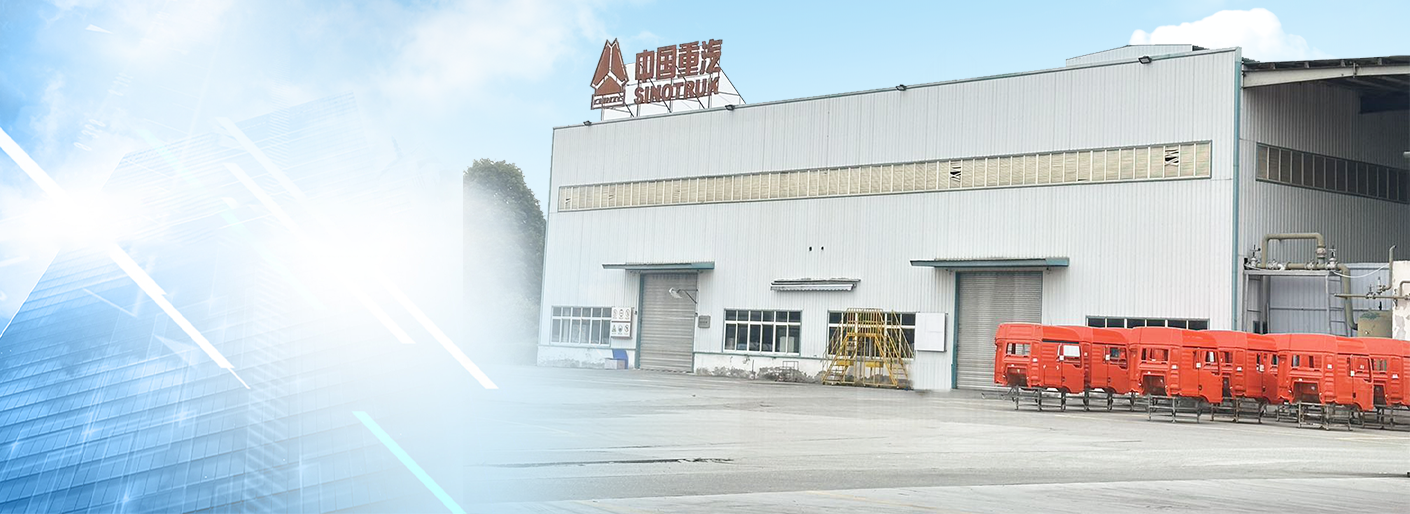
The growth trajectory of Hongkai: Evolutionary Path from a Local Dealer to a Comprehensive Global Ecological Partner.
Rooted in the truck sales sector. Acquired frontline practical experience amidst the roar of diesel engines, building deep relationships with commercial buyers.
Established partnership structures, pioneering "financial leasing + maintenance trusteeship" across logistics nodes in six South China provinces.
Independently registered Hongkai Automobile Trade. Created a full-chain system spanning procurement, modification, certification, and after-sales support.
Constructed the 20,000 square meter Hongkai Auto Trade City. Promoted tier-one domestic brands, exceeding 50 million RMB in annual sales.
Created our private logistics transport fleet. Put 100+ smart heavy trucks on regional lines, boosting logistics speed by over 70%.
Launched the globalization strategy. Rapidly expanded into Africa, Central Asia, and Europe, combining vehicle exports with compliance safety gears.
Semi truck snow chains are not generic utility products; they must be engineered for highly specific climatic and surface configurations. An asset operating on a mining haulage track requires a completely different link topology than a highway tractor hauling consumer freight over mountain highways.
Topography: Alpine gradients, black ice, packed snow, and rapid weather shifts.
Chain Config: Dual-assembly ladder chains with ice-breakers (welded V-bar links) or diamond-pattern studded links. The continuous contact profile of diamond chains ensures smooth rolling on high-speed truck axles, minimizing driver vibration fatigue.
Topography: Unpaved muddy detours, sharp basalt aggregates, deep silt, and steep ramps.
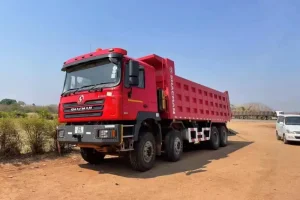
Chain Config: Oversized alloy protector chains, typically containing thicker links (8mm to 10.5mm cross-section). These chains shield expensive heavy tires from puncture cuts while maximizing the tractive torque of 8x4 tipper trucks like the Shacman F3000.
Topography: Loose topsoils, high moisture clay, deep track grooves, and swamp margins.
Chain Config: High-clearance triple-rail ladder chains. The wider gaps between links prevent mud packing, allowing the tire tread and chains to self-clean dynamically under standard rotation speeds.
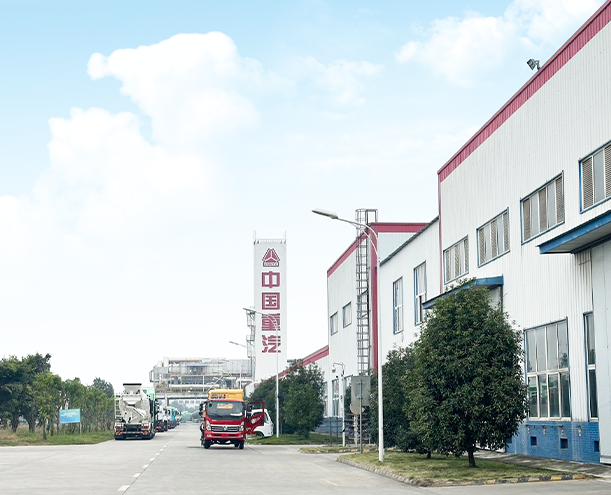
Our corporate structure operates under the core values of "integrity, professionalism, innovation and win-win". In practice, this means we maintain transparent testing pipelines. Every batch of chains manufactured in our Chengdu factory undergoes intense structural analysis.
Our QC laboratory utilizes automated tensile test beds to confirm breaking loads of up to 220 kN. We trace our steel raw materials back to their melting source, guaranteeing that manganese and nickel concentrations are balanced correctly. Our ISO 9001 certified operations minimize deviations, giving European and North American importers peace of mind when ordering bulk container loads.
Whether for tractor trucks traversing Alpine routes or dump trucks handling resource extraction in harsh climates, our systems ensure that downtime is minimized.
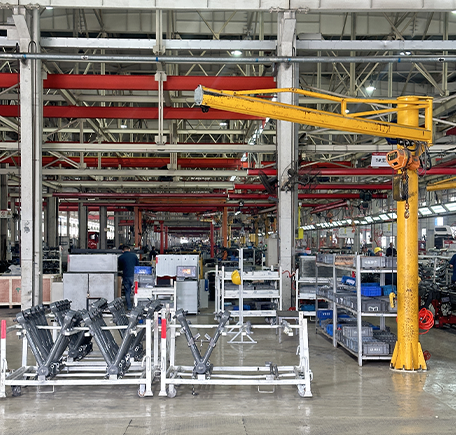
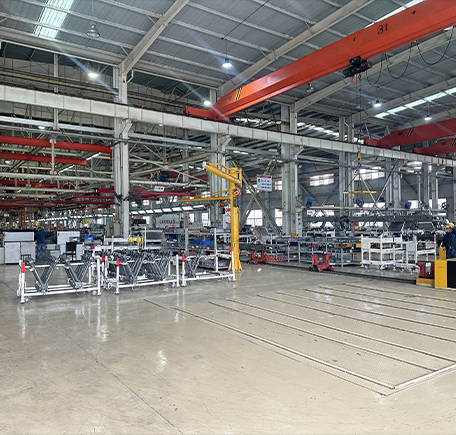
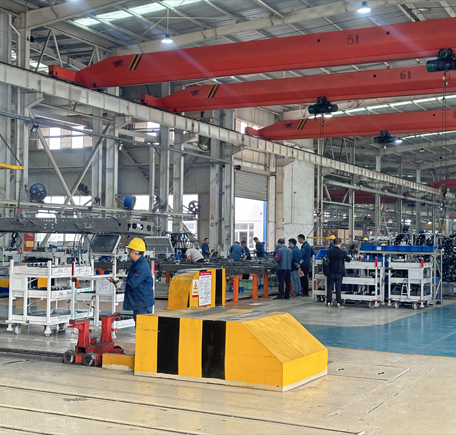
Global procurement of commercial truck chains requires a clear strategy covering customs duties, weight margins, and maritime routing. As a veteran exporter, Hongkai coordinates international delivery protocols directly with major shipping lines to optimize costs.
Due to the density of steel, shipping chains requires careful weight planning. We package our chains in heavy-duty wooden crates or steel-strapped drums, ensuring secure container placement and stable balance during transport.
We handle export documentation using proper HS Classifications (typically HS 7315.82 for iron/steel chains). This speeds up customs processing and minimizes unexpected import duties in Europe and North America.
By integrating truck deliveries with essential safety kits, we offer consolidated shipments. This single-source approach reduces port handling fees and shortens delivery timelines for international fleets.
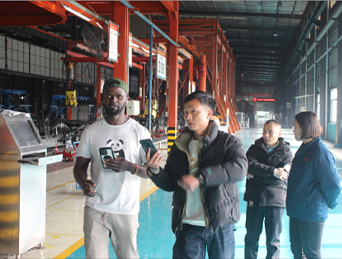
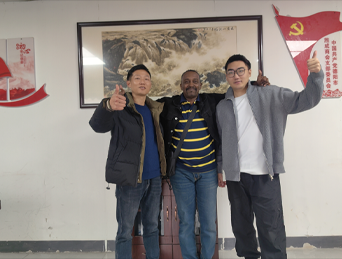
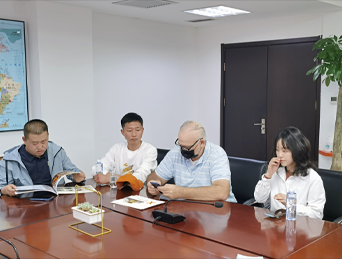
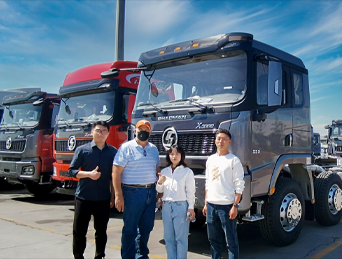
We regularly host international delegations at our facilities in Deyang and Chengdu, showcasing our testing equipment and supply scale.
Expert technical answers regarding structural metallurgy, certification parameters, and container-load importing.
Examine our major heavy truck export listings, ready to be configured with matching traction safety chains.