
The efficiency of mining operations largely depends on the equipment used. Caterpillar Mining Trucks are some of the most reliable vehicles in the industry. According to a 2022 report by Research and Markets, the global mining truck market is expected to reach $37 billion by 2025. Caterpillar's dominance in this sector highlights their commitment to innovation and performance.
These trucks are designed to handle the toughest terrains. Their advanced technology enables higher productivity and lower fuel consumption. For example, the Cat 797F offers a payload capacity of 400 tons, and its fuel-efficient engine minimizes operational costs. However, even these robust machines can face challenges, such as maintenance issues due to wear and tear.
While Caterpillar Mining Trucks are renowned for their quality, there is always room for improvement. Data from Mining Weekly indicates that frequent upgrades can enhance performance. Mining companies must regularly evaluate their fleets. This proactive approach can mitigate downtime and ensure efficient operations. Investing in the right model from Caterpillar can lead to substantial long-term benefits.
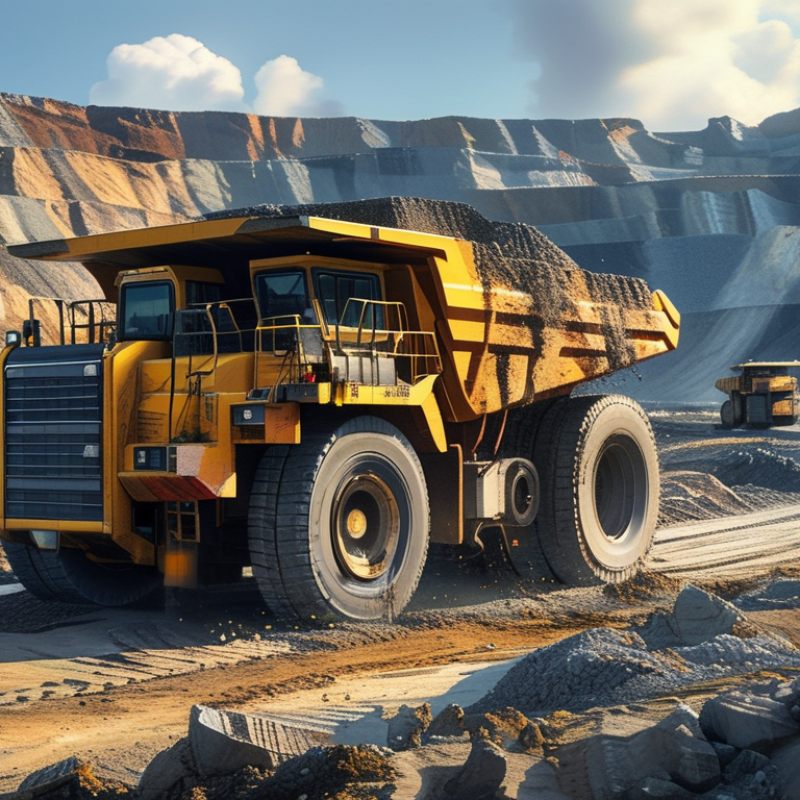
Caterpillar offers a range of mining trucks designed for maximum efficiency and productivity. The specifications of these models highlight their capabilities. For instance, the payload capacity of some of these trucks can exceed 400 tons. This allows for effective material handling in large-scale operations. The trucks typically feature high horsepower engines, providing the necessary power for challenging terrains.
Engine durability is crucial in mining operations. These trucks often come with advanced cooling systems that enhance engine life. Notably, their fuel efficiency is an important factor. Surveys indicate that newer models can reduce fuel consumption by up to 10%, a vital improvement. This can lead to substantial savings over time.
However, challenges remain. The cost of maintenance for heavy machinery can be high. Regular inspections and timely repairs are essential to avoid prolonged downtime. Operators often find balancing performance and maintenance costs a complex task. Adapting to new technologies in the mining sector is also critical but may require additional training for staff. These factors are important in evaluating the overall operational efficiency of mining truck models.
The efficiency of mining trucks is crucial for optimizing operations in the mining sector. Key performance metrics guide this efficiency. One primary measure is load capacity. Many mining trucks can carry up to 400 tons, significantly improving productivity compared to smaller models. High-capacity trucks reduce the number of trips needed, lowering fuel and maintenance costs.
Fuel efficiency is another vital metric. Modern mining trucks often achieve fuel consumption rates around 30% lower than their predecessors, according to industry data. This reduction not only cuts operational costs but also makes a positive environmental impact. However, some trucks may still struggle with fuel efficiency under heavy loads.
Payload management plays a critical role too. Proper load distribution prevents excessive wear and prolongs vehicle lifespan. Neglect in this area can lead to costly repairs and downtime. Mining companies must regularly analyze these performance metrics to identify areas for improvement. This data-driven approach helps ensure robust operations and maintains competitive advantage in the industry.
| Model | Payload Capacity (tons) | Engine Power (HP) | Fuel Efficiency (mpg) | Operating Weight (lbs) |
|---|---|---|---|---|
| Model A | 400 | 950 | 5.0 | 250,000 |
| Model B | 450 | 1050 | 4.8 | 275,000 |
| Model C | 500 | 1200 | 4.5 | 300,000 |
| Model D | 550 | 1300 | 4.2 | 320,000 |
When analyzing the payload capacity of mining trucks, Caterpillar models often emerge as leaders. They showcase impressive weight limits, enabling efficient transport of materials. However, it's crucial to compare these capabilities with other manufacturers. Some competitors have introduced innovative designs that challenge the traditional metrics set by leading models.
Pay attention to specific features. For instance, the engine performance significantly contributes to overall payload capacity. Stronger engines facilitate greater weights without sacrificing fuel efficiency. Yet, potential buyers should consider maintenance costs. A high payload doesn't always translate to low operating expenses.
While Caterpillar models are known for reliability, they may not always surpass every competitor. In some cases, newer brands offer lighter chassis, improving their overall efficiency. Reflect on your operational needs before choosing the right truck. Assess potential trade-offs between capacity and maneuverability. In complex mining environments, sometimes less weight can mean greater versatility.
Innovative technologies in mining trucks are transforming operational efficiency. Advanced telematics systems are crucial for real-time monitoring. These systems track vehicle performance and maintenance needs. This proactive approach can reduce downtime by up to 20%. Regular maintenance monitoring helps prevent costly repairs and enhances productivity.
Electric drive systems are gaining traction in the mining sector. They offer higher torque and improved efficiency compared to traditional systems. According to industry reports, electric trucks can improve fuel efficiency by 30% and lower emissions significantly. This aligns with the increasing focus on sustainability in mining operations.
Automated features are becoming essential in modern mining trucks. Autonomous trucks can optimize routes and reduce operator fatigue. Research indicates that integrating automation can enhance productivity by 15% while minimizing human error. However, the transition to fully autonomous operations requires careful consideration of infrastructure readiness and workforce training. This ongoing evolution prompts continuous evaluation of operational strategies in the mining industry.
When considering large-scale mining operations, a cost-benefit analysis of mining trucks is crucial. The initial investment for such vehicles can be significant. However, the long-term operational efficiency they provide often justifies the cost. These trucks are designed to handle heavy loads while maintaining fuel efficiency, reducing operational costs over time.
Maintenance also plays a critical role. Regular servicing and component replacements can lead to additional expenses. Nonetheless, many mining operations find that these trucks have lower failure rates compared to cheaper alternatives. Investing in advanced technologies can enhance productivity but requires careful assessment. Managers need to balance upfront costs against potential gains.
Moreover, assessing the impact on the workforce is essential. While automation might reduce labor needs, it could also create job displacement concerns. A fully integrated approach to evaluating financial implications and workforce dynamics is necessary for making informed decisions. Balancing efficiency with employee welfare could elevate project success rates. This nuanced analysis ensures that investment in mining trucks aligns with both operational goals and social responsibility.
: Load capacity is crucial for improving productivity. Trucks can carry up to 400 tons, reducing trips needed.
Fuel efficiency dramatically cuts operational costs. Modern trucks use around 30% less fuel than older models.
Proper load distribution prevents wear. Neglecting this can lead to costly repairs and more downtime.
Look at payload capacity and engine performance. Stronger engines can handle greater weights effectively.
Yes, lighter chassis may improve efficiency but affect load capacity. Assess your operational needs carefully.
Some newer brands challenge traditional metrics. They may offer lighter designs with better overall efficiency.
Regular analysis of metrics helps identify improvement areas. This approach ensures strong operations and competitiveness.
Not necessarily. A high payload doesn’t guarantee low operating expenses. Maintenance costs should be evaluated.
Some trucks struggle with fuel efficiency under heavy loads. It’s a point of concern for many operators.
Reflect on trade-offs between capacity and maneuverability. Choose based on specific operational needs and environments.
The article delves into the leading models of Caterpillar Mining Trucks, highlighting their specifications and key performance metrics that contribute to efficient operations in the mining industry. A comparative analysis against competitors focuses on payload capacity, showcasing the advantages of Caterpillar Mining Trucks in meeting demanding project requirements.
Moreover, the discussion includes innovative technologies integrated into these trucks that further enhance operational efficiency, ensuring they remain competitive in large-scale operations. A cost-benefit analysis provides insights into their economic viability, emphasizing the long-term gains of investing in Caterpillar Mining Trucks for mining operations.
