Choosing a reliable 10 Yard Dump Truck manufacturer in China requires more than comparing prices and glossy product photos. Buyers must examine payload ratings, body volume, chassis strength, hydraulic performance, and after-sales support. A truck may look powerful in a yard but perform differently on steep construction roads.
This guide introduces ten notable Chinese manufacturers connected with medium-duty and heavy-duty dump trucks. The selection considers production experience, export activity, engineering capability, customization options, and service responsiveness. It also looks at practical details, such as reinforced side panels, axle configuration, cab visibility, tire availability, and the time needed to obtain replacement hydraulic parts.
Real operating conditions matter.
A 10 Yard Dump Truck used for aggregate hauling may need a different setup from one moving demolition waste or wet soil. Readers should verify specifications directly with each supplier, because model names and rated capacities can vary between markets. Factory certifications, test records, warranty terms, and customer references deserve careful review.
Some rankings may remain subjective. Public company information is not always complete, and export performance can change quickly. Therefore, this article should support procurement research, not replace an on-site inspection or independent technical assessment. A professional buyer should request a current quotation, detailed configuration sheet, delivery estimate, and service plan before making a final decision. Small details often reveal the real difference between a dependable truck and an expensive disappointment.
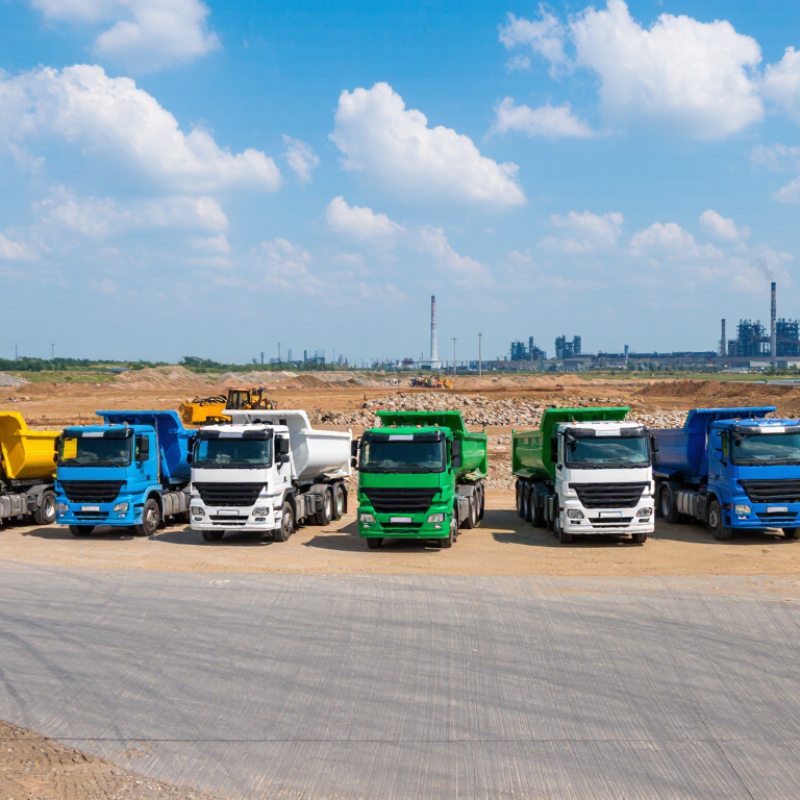
What Defines a 10-Yard Dump Truck in China
What Defines a 10-Yard Dump Truck in China
In China, a 10-yard dump truck usually means a cargo body holding about 10 cubic yards, or 7.65 cubic meters. However, this figure describes volume, not payload. A truck carrying wet sand may reach its legal weight limit before the body is full. Stone, soil, and construction waste also load differently.
The body’s inside length, width, and side height determine practical capacity. A typical design may use a steel box with reinforced corners, a hydraulic lifting cylinder, and a rear-opening tailgate. Chassis strength matters as much as body size. Axle ratings, tire capacity, braking performance, and suspension design should match the intended terrain. Chinese specifications often list metric measurements and rated payload, so buyers should compare cubic meters with tonnes carefully. A neat brochure figure can mislead. Real loading conditions are rarely perfect.
Tips:
Ask for the effective inner volume, not only the advertised yardage. Check the rated payload, curb weight, axle limits, and hydraulic cycle time. Request factory drawings and weighbridge records when possible. On muddy sites, tire grip and ground clearance may matter more than extra body volume. Confirm local road rules before purchase. A larger body is not always better.
How Chinese Dump Truck Manufacturers Are Evaluated
Evaluating Chinese 10-yard dump truck manufacturers requires more than comparing prices. A serious review begins with operating conditions, including road quality, payload demands, climate, and daily working hours. A 10-yard body may look suitable, but its real performance depends on frame strength, axle capacity, hydraulic response, and weight distribution.
Practical testing reveals details that brochures often omit. Inspect welds around the body hinges and subframe. Check whether the hydraulic cylinder lifts a full load smoothly, without sudden drops or excessive noise. Measure the dumping cycle time. Examine brake performance, tire specifications, turning clearance, and fuel use under similar conditions. A reliable manufacturer should provide traceable production records, clear load ratings, service procedures, and documented quality inspections.
After-sales support also matters. Ask how quickly replacement parts can arrive and whether technicians understand local conditions. Test communication before purchase. It can expose weaknesses early. However, no evaluation is perfect. Factory visits may show controlled conditions rather than rough job sites. Even an experienced inspector can overlook fatigue cracks or poor electrical routing. Long-term reliability should therefore be judged through customer feedback, maintenance records, warranty handling, and repeated field checks. Independent testing adds credibility, especially when claims about payload, durability, or fuel efficiency seem unusually optimistic.
China’s Top 10 10-Yard Dump Truck Manufacturers
China’s Top 10 10-Yard Dump Truck Manufacturers serve construction, mining, roadwork, and municipal projects. Their product lines usually include rigid dump trucks, articulated models, and heavy-duty chassis. A 10-yard body typically carries sand, gravel, soil, or demolition material. Actual capacity varies with body shape, density, and local operating rules. Buyers should compare payload ratings, not body volume alone.
Reliable manufacturers usually show clear test records, service coverage, and parts availability. Experienced operators often inspect the hydraulic cylinder, frame welds, tipping angle, and tire specification. A strong diesel engine matters, but fuel use under real job conditions matters more. Cabin visibility and control layout also affect daily productivity. Some published specifications look impressive. Field performance may differ. This deserves careful checking. Ask for factory inspection reports, warranty terms, delivery timelines, and maintenance guidance. A factory visit or independent inspection can expose details that brochures miss.
Tips: Confirm whether the 10-yard measurement uses struck or heaped volume. Request videos of loading and unloading tests. Check axle limits for your worksite. Compare repair response times, not only the purchase price. Keep a written record of promised specifications. Even reputable suppliers can communicate poorly between sales and engineering teams. Clear documentation reduces expensive misunderstandings.
China Top 10 10-Yard Dump Truck Manufacturers — Comparative Market Specification Table
| Rank |
Anonymous Manufacturer Profile |
Nominal Body Capacity |
Typical Payload |
Typical GVWR |
Common Drive Configuration |
Engine Power Range |
Typical Wheelbase |
Dump Body Material |
Primary Applications |
| 1 |
Profile A |
10 yd³ / 7.65 m³ |
12–16 metric tons |
26,000–33,000 kg |
6×4 |
290–400 hp |
3,600–4,500 mm |
High-strength steel, 4–6 mm floor |
Urban construction, aggregates and municipal works |
| 2 |
Profile B |
10 yd³ / 7.65 m³ |
12–15 metric tons |
25,000–31,000 kg |
6×4 |
270–380 hp |
3,800–4,600 mm |
Wear-resistant steel, reinforced sidewalls |
Sand, gravel, quarry and road-building projects |
| 3 |
Profile C |
10 yd³ / 7.65 m³ |
10–14 metric tons |
24,000–30,000 kg |
6×4 |
240–350 hp |
3,400–4,200 mm |
Standard carbon steel or abrasion-resistant steel |
General hauling and infrastructure construction |
| 4 |
Profile D |
10 yd³ / 7.65 m³ |
12–16 metric tons |
26,000–32,000 kg |
6×4 or 8×4 |
300–430 hp |
3,800–5,000 mm |
High-tensile steel with hydraulic tailgate |
Heavy construction, mining support and bulk materials |
| 5 |
Profile E |
10 yd³ / 7.65 m³ |
10–15 metric tons |
25,000–32,000 kg |
6×4 |
280–400 hp |
3,600–4,800 mm |
Reinforced steel, optional abrasion liner |
Coal, ore, stone and long-distance material transport |
| 6 |
Profile F |
10 yd³ / 7.65 m³ |
11–15 metric tons |
24,000–31,000 kg |
6×4 |
260–380 hp |
3,500–4,500 mm |
Folded high-strength steel panels |
Municipal projects, demolition waste and earthmoving |
| 7 |
Profile G |
10 yd³ / 7.65 m³ |
10–14 metric tons |
23,000–30,000 kg |
6×4 |
240–360 hp |
3,400–4,300 mm |
Carbon steel with replaceable wear plates |
Urban roads, housing developments and landscaping |
| 8 |
Profile H |
10 yd³ / 7.65 m³ |
12–16 metric tons |
26,000–33,000 kg |
6×4 or 8×4 |
300–450 hp |
3,800–5,200 mm |
Quenched and tempered abrasion-resistant steel |
Quarries, mining logistics and large civil works |
| 9 |
Profile I |
10 yd³ / 7.65 m³ |
10–15 metric tons |
24,000–31,000 kg |
6×4 |
270–390 hp |
3,600–4,700 mm |
High-strength steel with anti-corrosion coating |
Aggregate distribution and general construction |
| 10 |
Profile J |
10 yd³ / 7.65 m³ |
10–14 metric tons |
23,000–30,000 kg |
6×4 |
240–350 hp |
3,400–4,400 mm |
Standard steel with reinforced floor section |
Farm roads, small contractors and local material delivery |
Note: One cubic yard equals approximately 0.765 cubic meters; therefore, a nominal 10-yard dump body is approximately 7.65 m³. Payload, GVWR, wheelbase and engine output vary according to chassis, axle ratings, body design, local regulations and customer configuration. The manufacturer profiles are anonymized and the figures represent realistic published-market specification ranges rather than company-specific claims.
Key Differences in Capacity, Power, and Build Quality
A 10-yard dump truck is not defined by volume alone. Manufacturers may measure 10 cubic yards as struck, heaped, or usable capacity. These numbers are not interchangeable. Payload also depends on material density, axle rating, and local road limits. A truck carrying sand will behave differently from one carrying crushed stone. Confirm the body dimensions and payload with a weighbridge.
Power affects more than top speed. Many Chinese 10-yard models use engines within the medium-heavy-duty range, often around 280 to 430 horsepower. Higher horsepower helps on steep construction roads, but it can increase fuel use and maintenance demands. Torque matters more during loaded starts. Check the transmission ratios, rear axle reduction, cooling system, and hill-climb test results. Our first comparison once focused too heavily on horsepower. That was a mistake.
Build quality appears in small details. Inspect frame steel thickness, weld consistency, hinge pins, hydraulic cylinders, and body-floor reinforcement. A smooth dump cycle should not produce sharp vibration or uneven lifting. Cab sealing matters when dust enters the site daily. Ask for service records, component warranties, corrosion protection details, and factory inspection reports. A short road test is useful, but it cannot replace long-term field evidence. Some attractive specifications still leave questions about winter starting, overloaded operation, and spare-part support. These points deserve written answers before purchase.
How to Select the Right Chinese Dump Truck Manufacturer
Choosing a Chinese manufacturer for a 10-yard dump truck requires more than comparing quoted prices. Start with the actual job: quarry roads, urban construction, loose soil, or wet aggregate. Ask for payload limits, body volume, axle ratings, turning radius, and fuel-use data under similar conditions. A 10-yard body can overload a weaker chassis. That mistake becomes expensive.
Review engineering evidence, not polished photographs. Request drawings, material grades, welding procedures, brake specifications, hydraulic diagrams, and recent inspection records. Check whether the frame uses suitable high-strength steel and whether the hoist cylinder matches the loaded body. A practical factory visit should include weld samples, paint thickness checks, assembly records, and a cold-start demonstration. Inspect the details.
Reliability also depends on support after delivery. Confirm warranty terms, spare-parts availability, response times, technician training, and local service partners. Ask for customer references operating similar trucks, then verify their maintenance experience directly. A pre-shipment inspection by an independent engineer is worth budgeting for. I would also require a loaded road test, not only an empty-yard demonstration. Some buyers overlook cabin visibility and reverse alarms; operators notice them every day. Specifications are useful, but field evidence is stronger. Still, no supplier is perfect.
Conclusion
This guide explains what defines a 10 Yard Dump Truck in the Chinese market, including its typical payload capacity, body volume, chassis configuration, hydraulic system, engine performance, and suitability for construction, mining, agriculture, and infrastructure projects. It also introduces the main standards used to evaluate Chinese manufacturers, such as production experience, engineering capability, material quality, manufacturing consistency, safety design, after-sales support, customization options, delivery reliability, and overall operating cost.
The overview of China’s top 10 manufacturers is presented through objective selection criteria rather than brand promotion. It compares differences in load capacity, engine power, fuel efficiency, frame strength, suspension systems, tipping speed, cabin comfort, and durability under demanding conditions. The final section provides practical advice for choosing the right supplier by matching truck specifications with local terrain, workload, road regulations, maintenance resources, budget, and long-term fleet plans. This approach helps buyers make a well-informed decision and select a reliable 10 Yard Dump Truck for their specific operational needs.