
7 Tips for Buying Vintage Truck Wheels?

Time:2026-09-06 Author:Mason
0%

Buying Vintage Truck Wheels can transform an old pickup, but attractive metal does not guarantee a safe fit. The wrong offset may rub the brake caliper, scrape the leaf spring, or push the tire beyond the fender. A polished wheel can still hide cracks, severe pitting, or previous repair marks. Look closely.

Jim Carter, founder of Jim Carter Truck Parts and a respected classic-truck parts authority, advises, “Match the part to the truck, not just the year.” That practical warning deserves attention. Model years often overlap, while axle swaps, upgraded brakes, and changed suspension alter fitment. Measure carefully before trusting a seller’s description.

This guide explores seven useful checks for choosing Vintage Truck Wheels with greater confidence. It considers original specifications, bolt patterns, diameter, width, offset, material, and restoration quality. You will also see why tire clearance should be tested with the truck safely supported, not guessed from a photograph. Small details matter, such as a damaged valve-stem hole or a missing hub-centric ring.

Expect some uncertainty. Older wheels may have incomplete markings, inconsistent measurements, or undocumented modifications. That is inconvenient. It is also normal. A careful buyer records every dimension, requests clear underside photographs, and seeks an inspection from a qualified wheel or restoration professional. Seller confidence is not proof.

The best purchase balances authenticity, structural condition, road safety, and budget. Original-looking wheels may need costly refinishing. Reproduction wheels may fit better but reduce historical accuracy. Neither choice is automatically correct. Use evidence, verify compatibility, and accept that a slower decision often prevents an expensive mistake.
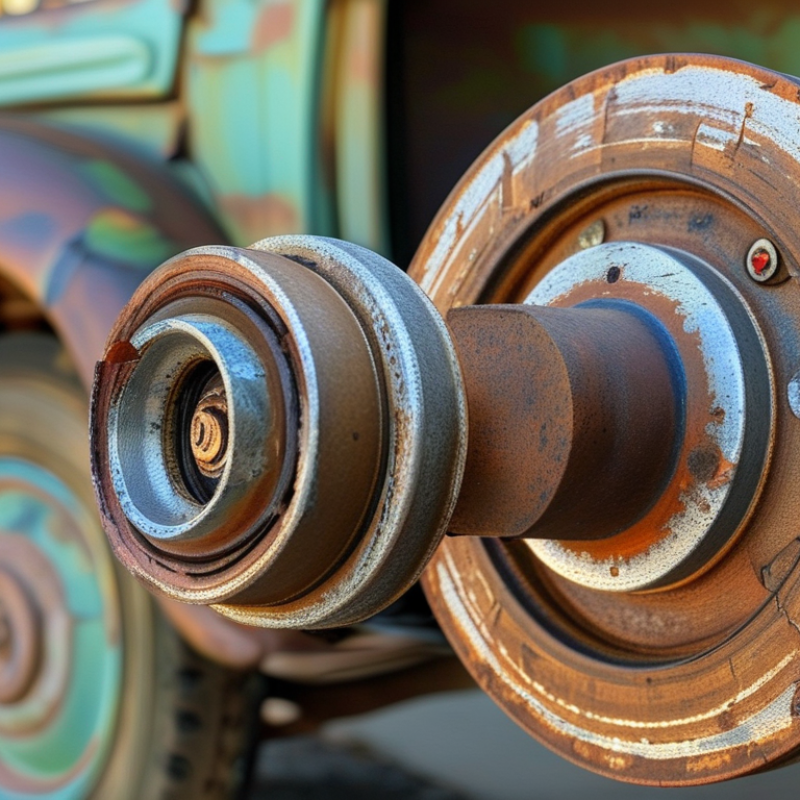
7 Tips for Buying Vintage Truck Wheels?

Define the Vintage Truck Wheel Style and Fitment Requirements

Buying vintage truck wheels starts with a clear style target, not a shiny finish. Decide whether you want original steel wheels, period-style alloys, or a rugged utility appearance. Match the wheel design to the truck’s era and body shape. A deep lip can look wrong on a narrow, factory-style truck. Measure twice. Keep photos of the current wheels, hubs, and wheel wells.

Fitment requires exact numbers. Record the bolt pattern, wheel diameter, width, offset, and center-bore size. Check the truck manual or a qualified wheel technician before ordering. The wheel must clear the brake caliper, steering parts, and suspension. Its load rating should meet or exceed the truck’s axle requirements. Do not rely on a seller’s phrase like “fits most classic trucks.” That wording is too vague.

In my workshop experience, small errors create large problems. I once trusted an old measurement and missed a few millimeters of inner clearance. The wheel looked correct, but the tire rubbed during a tight turn. That mistake changed my inspection routine. I now test with the truck safely supported, rotate the wheel by hand, and inspect sidewall clearance. Examine used wheels for cracks, weld repairs, deep corrosion, and distorted mounting surfaces. Some imperfections are visible only after cleaning. Ask for clear measurements, dated photos, and the wheel’s stamped load information. If any detail remains uncertain, pause the purchase and verify it with a technical source.

Inspect Wheel Construction, Materials, and Overall Condition

Buying vintage truck wheels requires more than admiring their aged appearance. I inspect each wheel under bright, direct light. Construction details often reveal its history. Check whether the wheel is stamped, cast, or welded. Uneven weld beads may indicate previous repairs. Look closely around the center section and rim edges. Those areas receive heavy stress.

Tip: Verify the material before judging its value. Steel wheels usually show surface rust, while aluminum may develop cloudy oxidation or small cracks. Use a magnet carefully, but do not rely on it alone. A repair shop can confirm the metal through professional testing. I once trusted a clean-looking wheel that had a hidden fracture near the valve opening. That mistake changed my inspection routine.

Tip: Measure the wheel’s overall condition, not just its appearance. Check for bends, deep gouges, elongated bolt holes, and damaged threads. Place the wheel on a flat surface and watch for rocking. Spin it on suitable equipment if possible. Ask about storage, previous use, and repairs. Honest answers matter, but records are better. I still miss small flaws sometimes, especially beneath old paint. Remove loose coatings carefully and inspect the metal underneath. Fresh paint can hide more than it protects.

Verify Dimensions, Bolt Pattern, Offset, and Load Capacity

Buying vintage truck wheels requires more than matching a familiar tire size. Measure the wheel diameter and width with calipers, not a tape measure. Check the bolt count, bolt-circle diameter, and stud-hole shape. A nearly matching pattern can still create dangerous stress. Measure twice. I once trusted an old listing and discovered the stated width excluded the rim lips.

Confirm offset from the mounting face to the wheel centerline. Positive and negative values are easy to confuse, especially on older wheels. Compare the measurement with your truck’s suspension and brake clearance. Check the center bore, too. It must seat correctly without forcing the wheel onto the hub. Inspect the rim profile for dents, cracks, welded areas, and deep corrosion around the bead seat. Vintage does not mean fragile, but age leaves clues.

Read the wheel’s load rating and compare it with the truck’s axle requirements, not just its empty weight. If the rating is missing, treat that uncertainty seriously. Ask for clear photos of every marking and request measurements from several points. A qualified wheel specialist can verify unusual patterns or repaired metal. My own judgment has been wrong before, so I avoid relying on appearance alone. Keep records of measurements, photographs, and seller statements before fitting the wheels.

7 Tips for Buying Vintage Truck Wheels? - Verify Dimensions, Bolt Pattern, Offset, and Load Capacity
Tip What to Verify How to Check It Useful Specification or Safe Practice Why It Matters
1 Confirm wheel diameter and width Read the size marking stamped or cast on the wheel, such as 16 × 7. Measure width between the bead-seat surfaces rather than across the outer lips. Record diameter and width in inches. A 16 × 7 wheel is approximately 16 inches in diameter and 7 inches wide at the bead seats. Incorrect dimensions can prevent proper tire mounting, alter handling, or cause the tire sidewall to contact suspension and body components.
2 Measure the bolt pattern accurately Count the wheel studs or holes. On a 5-lug wheel, measure from the center of one hole to the far edge of the hole directly opposite it. On a 6- or 8-lug wheel, measure center-to-center across opposite holes. Record both lug count and pitch-circle diameter, for example 5 × 4.50 in or 8 × 6.50 in. Do not rely on visual similarity. A wheel with the wrong bolt pattern may not seat correctly and can damage studs, lug nuts, or the hub.
3 Verify center bore and hub fit Measure the center hole of the wheel and compare it with the vehicle hub diameter. Remove rust and dirt before measuring with a caliper. The wheel center bore should be large enough to clear the hub. If the wheel is hub-centric, the bore should fit the hub correctly; centering rings are not a substitute for an incompatible mounting system. A poor center fit can create vibration and may prevent the wheel from seating flush against the hub.
4 Check offset and backspacing Offset is the distance from the wheel’s mounting face to its centerline. Positive offset places the mounting face toward the outside; negative offset places it toward the inside. Backspacing is measured from the mounting face to the inner rim edge. Record offset in millimeters and backspacing in inches. Approximate conversion: offset (mm) = [backspacing (in) − wheel width ÷ 2] × 25.4, allowing for bead-seat measurement differences. Incorrect offset can cause rubbing, steering changes, bearing-load changes, or interference with brakes and suspension.
5 Match the wheel’s load capacity Look for a stamped or cast load rating. If the rating is missing or unreadable, request documented specifications or have the wheel evaluated by a qualified wheel specialist. Each wheel should have a load rating at least equal to the vehicle’s required load per wheel. A simple estimate is vehicle gross axle weight rating ÷ 2 for a two-wheel axle, but the vehicle manufacturer’s axle rating takes priority. Vintage wheels may have unknown fatigue history. A wheel that is too lightly rated can crack, deform, or fail under payload, towing, or impact loads.
6 Inspect condition, repairs, and age-related damage Check the bead seats, lug holes, mounting face, valve-stem area, and inner barrel for cracks, deep corrosion, bends, welds, and elongated holes. Use a straightedge to identify rim distortion. Avoid wheels with structural cracks, severe pitting, visible weld repairs, stretched lug holes, or significant runout. Surface rust may be treatable, but structural damage is not a cosmetic issue. Damage around the bead or mounting area can cause air loss, vibration, uneven seating, or sudden structural failure.
7 Confirm tire, brake, and hardware compatibility Test-fit one wheel before buying the complete set. Check caliper clearance, suspension clearance, fender clearance, valve-stem position, lug-seat style, thread size, and required torque. Use only lug nuts that match the wheel’s seat type, such as conical or ball-seat. Verify that the tire’s approved rim-width range includes the wheel width and re-torque fasteners after initial driving. Matching the bolt pattern alone does not guarantee safe installation; clearance, tire fitment, and correct hardware are equally important.

Check Compatibility With Tires, Brakes, and Suspension Components

7 Tips for Buying Vintage Truck Wheels?

Vintage truck wheels can transform an older vehicle, but appearance should never lead the inspection. Confirm the bolt pattern, wheel diameter, width, offset, and center bore before paying. Measure twice.

Tire compatibility is critical. Check the manufacturer’s approved tire range for the wheel size. A tire that looks suitable may still be too narrow or too wide. Inspect the wheel’s load rating against the truck’s axle requirements. Old wheels may show hidden corrosion beneath paint, especially around bead seats and bolt holes. A small crack can become a serious failure.

Brake and suspension clearance also deserve careful attention. Mount the wheel temporarily and rotate it by hand. Check the inner barrel against brake calipers, then inspect the tie rod, control arm, and shock area. Turn the steering fully in both directions. Leave practical clearance for movement, not just stationary clearance. I have seen wheels fit the hub but rub during cornering. That mistake is expensive.

Backspacing can change handling and suspension stress. Excessive outward movement may contact the fender, while excessive inward movement can interfere with brakes. Verify clearance with the intended tire installed. Ask a qualified wheel technician to inspect repaired, welded, or heavily pitted wheels. A professional measurement is worthwhile. My own early checks were too visual; a tape measure revealed problems that photographs missed. Don’t trust a perfect finish. Surface polish can hide age.

Compare Authenticity, Restoration Needs, Pricing, and Seller Reliability

Buying vintage truck wheels requires more than liking an aged finish. Start by checking authenticity through casting marks, dimensions, bolt patterns, and period photographs. Measure each wheel yourself. Old parts are not always original.

Inspect the metal closely. Surface rust may clean easily, but deep pitting, cracks, welds, or distorted rims can require specialist restoration. Look around the bead seat and bolt holes. These areas reveal hard use. Ask whether the wheel was tested after repair. A clean photograph cannot show hidden damage. I once trusted a seller’s description and underestimated corrosion inside the rim. That mistake changed my inspection habits.

Compare prices using condition, rarity, matching numbers, and restoration costs. A cheaper wheel may need blasting, machining, coating, and new hardware. Request clear images from several angles, including the inner surface. Reliable sellers provide measurements, honest defects, transaction records, and a return policy in writing. Ask direct questions and notice vague answers. Check independent reviews, but do not treat every review as proof. A long selling history helps, though it does not guarantee careful work. Keep every message and invoice. Vintage parts can be difficult to replace. When details conflict, pause before paying. Your budget should include unexpected restoration, because even experienced buyers miss something.

7 Tips for Buying Vintage Truck Wheels

Use this practical checklist to compare authenticity, restoration needs, pricing, fitment, and seller reliability before purchasing vintage truck wheels.

How to use the chart: These percentages represent a practical due-diligence priority model, not a market-price survey. Confirm wheel identification and fitment first, then inspect structural condition, restoration requirements, total cost, and seller documentation.

FAQS

: How should I choose a vintage truck wheel style?

: Match the wheel design to the truck’s era, body shape, and intended use. Original steel, period-style alloy, and utility designs create different visual effects. A deep lip may look awkward on a narrow truck.

Which measurements are essential before ordering?

Record bolt pattern, wheel diameter, width, offset, and center-bore size. Take clear photos of the current wheels, hubs, and wheel wells. Measure twice.

How can I confirm proper wheel fitment?

Check brake caliper, steering, suspension, and inner wheel-well clearance. The wheel must mount correctly without force. Rotate it by hand while the truck is safely supported.

Why is bolt-pattern accuracy important?

A nearly matching pattern can create dangerous stress and poor wheel seating. Measure bolt count, bolt-circle diameter, and stud-hole shape carefully. Close is not enough.

How do I check wheel construction and materials?

Identify whether the wheel is stamped, cast, or welded. Inspect the center section, rim edges, and weld beads under bright light. Use a magnet carefully, but do not rely on it alone.

What damage should I look for on used wheels?

Check for cracks, bends, deep gouges, corrosion, elongated bolt holes, and damaged threads. Inspect around the valve opening and bead seat. Fresh paint can hide defects.

How should I evaluate a wheel’s load capacity?

Compare its load rating with the truck’s axle requirements, not its empty weight. If the rating is missing, pause the purchase and seek technical verification. Uncertainty matters.

What should I do when measurements or condition details remain unclear?

Request dated photos, complete measurements, repair information, and stamped load markings. Keep every record before fitting the wheels. I have missed hidden flaws before, so appearance alone is not enough.

Conclusion

Buying Vintage Truck Wheels requires more than choosing a style that looks appealing. First, identify the period design and finish that suit your truck, then confirm the wheels match its intended fitment. Carefully inspect each wheel for cracks, bends, corrosion, weld repairs, and uneven wear. Pay attention to construction quality and materials, since older wheels may need restoration or professional testing before use.

Before making a purchase, verify the diameter, width, bolt pattern, center bore, offset, and load capacity against your truck’s specifications. Check that the wheels provide adequate clearance for the tires, brake components, steering, and suspension. It is also important to compare originality, restoration requirements, total cost, and seller reliability. Ask for clear measurements, detailed photos, and any available history, while considering shipping and refurbishment expenses. A careful evaluation will help you select Vintage Truck Wheels that deliver the desired appearance, safe compatibility, and lasting value.

Mason

Mason

Mason is a seasoned marketing professional with a deep expertise in the company's offerings and a passion for driving brand awareness. With a strong background in digital marketing strategies, he has an innate ability to connect with diverse audiences and effectively communicate product benefits.......