
China Best Big Semi Truck for Global Buyers

Time:2026-10-27 Author:Aria
0%

Choosing the right China Best Big Semi Truck requires more than comparing prices or polished brochures. Global buyers need dependable power, practical design, and support that continues after delivery. A Big Semi Truck may look impressive in a showroom, yet daily performance depends on its engine, transmission, chassis strength, and cooling system.

This guide examines key factors through a buyer’s practical perspective. It considers long-distance freight, heavy payloads, fuel efficiency, driver comfort, and maintenance access. Details matter. A reinforced frame, clear dashboard controls, and easily reachable service points can reduce downtime on remote routes. Factory experience also matters, especially when manufacturers provide documented testing, component information, and export references.

No single truck fits every market. That is important. Road quality, climate, cargo weight, and local service capacity can change the final decision. A model that performs well on European highways may require different specifications for African construction routes or Central Asian winters. Buyers should verify emissions compliance, safety equipment, warranty terms, spare-parts availability, and technician training before signing an order. These checks may feel slow, but they protect long-term value.

Some claims still deserve careful questioning. “Best” is not always the same as cheapest, newest, or most powerful. Real ownership costs can reveal weaknesses that a short demonstration hides. By comparing measurable specifications with field experience and reliable supplier documentation, global buyers can select a China Big Semi Truck with greater confidence. The final choice should support safe operation, predictable maintenance, and profitable transport work.
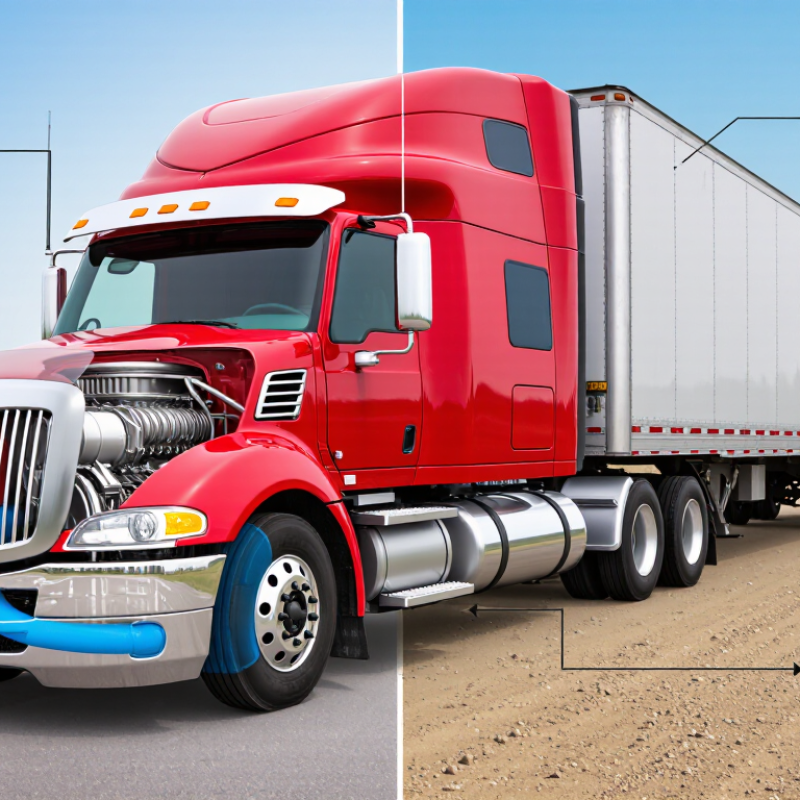
China Best Big Semi Truck for Global Buyers

What Defines the Best Chinese Big Semi Truck for Global Buyers

The best Chinese big semi truck for global buyers is not simply the largest or cheapest option. It should match local roads, cargo demands, climate, and operating costs. For global buyers, engine torque, transmission response, braking performance, and axle strength deserve careful inspection. In practical fleet evaluations, stable performance matters more than impressive showroom features. Strong torque helps on steep routes and reduces driver fatigue. Fuel economy also affects every delivery. Cab comfort matters too. Small details matter.

Tips: Request complete technical data before purchasing. Check the frame, suspension, tire size, and permitted gross weight. Confirm emissions certification for the destination market. Ask about parts availability, technician training, warranty coverage, and roadside support. A factory visit or independent inspection can reveal issues hidden in photographs.

Reliability depends on correct specification and disciplined maintenance. A truck designed for highways may perform poorly on rough construction routes. Cold regions require suitable starting systems and fluid protection. Hot climates demand efficient cooling and durable air conditioning. Safety equipment should include dependable lighting, braking assistance, visibility features, and secure cabin construction. Buyers should compare total ownership cost, not only the purchase price. A low price can mislead. No truck is perfect, and some advertised advantages need independent verification. Real fleet data, service records, and a monitored test period provide stronger evidence than confident sales language.

Leading Chinese Semi Truck Brands and Heavy-Duty Vehicle Types

China Best Big Semi Truck for Global Buyers

Leading Chinese Semi Truck Brands and Heavy-Duty Vehicle Types

Chinese heavy-duty vehicle manufacturers now offer several semi truck formats for international fleets. Tractor units commonly use 4x2, 6x2, or 6x4 layouts. The right choice depends on axle limits, road conditions, and trailer weight. A 6x4 model suits mines, construction routes, and rough regional roads. A 4x2 model may reduce operating costs on paved highways.

Long-haul buyers often compare diesel engines, automated transmissions, cabin space, and cooling performance. Modern units can include driver-assistance systems, air suspension, and digital fleet monitoring. However, equipment must match local rules. Check emissions certification, lighting standards, braking requirements, and left- or right-hand traffic configurations. Approval documents matter more than attractive brochures.

Rigid cargo trucks, dump trucks, concrete mixers, and special transporters serve different work cycles. A dump truck needs strong frame protection and reliable hydraulic components. A mixer needs drum balance, corrosion resistance, and steady low-speed operation. In fleet reviews, service access can influence uptime as much as engine power. Spare parts availability should be confirmed before shipment.

Do not trust fuel claims blindly. Real consumption changes with payload, terrain, weather, and driving habits. A lower purchase price can also hide training, parts, or warranty costs. Request verified test data, maintenance schedules, and clear after-sales responsibilities. The best truck is not always the largest one. It is the vehicle that remains productive under local conditions.

Key Performance Features for Long-Haul and Heavy Cargo Transport

For global buyers, a big semi truck must turn engine power into steady performance. Long-haul work demands strong low-speed torque, reliable cooling, and a suitable gross combination weight rating. The International Transport Forum’s Transport Outlook 2023 projects that global freight activity could nearly double by 2050 under current policies. That pressure makes durability more important than impressive showroom numbers. A proven diesel powertrain, automated transmission, and multi-stage engine braking can reduce driver fatigue on long descents. Still, more power can increase fuel use. That trade-off deserves honest testing.

Fuel efficiency is also a hardware decision. U.S. EPA SmartWay materials report that aerodynamic improvements may reduce fuel consumption by up to 15% in suitable operations. Side extenders, a roof fairing, low-rolling-resistance tires, and automatic idle control can help. However, real results depend on speed, trailer height, weather, and road quality. The European Environment Agency reported that heavy-duty vehicles produced about 27% of EU road-transport carbon dioxide emissions in 2022. Buyers should therefore examine verified fuel data, maintenance intervals, braking performance, and parts availability. A perfect specification sheet does not exist.

Tips: Request a loaded road test, not only an empty demonstration. Check payload capacity after adding safety equipment and comfort features. Inspect frame strength, axle ratings, cooling airflow, and service access. Ask for independent fuel records from comparable routes. I would also review cabin noise and seat support, because small discomforts become serious after ten hours. One overlooked detail can reduce uptime.

Cabin Comfort, Safety Systems, Fuel Economy, and Reliability

For global buyers, choosing China’s best big semi truck starts inside the cabin. A long-haul driver may spend ten hours behind the wheel. The seat should provide adjustable lumbar support, firm side cushioning, and a wide movement range. A quiet cabin also matters. At highway speed, reduced vibration helps drivers stay focused and communicate clearly. Practical details count, including storage near the bunk, strong air conditioning, readable controls, and easy cleaning surfaces.

Safety systems deserve a careful inspection, not just a brochure review. Electronic stability control, anti-lock braking, lane warnings, blind-spot cameras, and collision alerts can reduce driving risks. Their value depends on accurate calibration, clear displays, and reliable performance in rain, dust, and poor lighting. Local road rules and certification requirements must be checked before purchase. A test drive is essential. Sensors can be impressive, yet distracting alerts may create new problems.

Fuel economy depends on the complete operating setup. An efficient diesel engine needs a suitable transmission, axle ratio, aerodynamic cab, and properly inflated tires. Payload, terrain, traffic, and idling habits can change results sharply. Reliability requires more than a strong engine. Buyers should examine service records, parts availability, warranty terms, corrosion protection, and technician training. Cold-start testing and loaded hill driving reveal useful weaknesses. No truck is perfect. I would still request independent inspection data, because optimistic factory figures do not always match daily freight work.

How Global Buyers Should Compare Prices, Service, and Export Support

Global buyers should not define the best big semi truck by invoice price alone. Compare the complete landed cost, including freight, insurance, import duties, registration, and required equipment. UNCTAD’s Review of Maritime Transport reports that over 80% of global merchandise trade moves by sea. Therefore, a small freight difference can change the final purchase price significantly. Request both FOB and CIF quotations. Check the currency, delivery port, payment schedule, and warranty exclusions. A low quote may still be wrong for your route.

Service capability matters after delivery. Ask about parts availability, technician training, remote diagnostics, and response times. IRU’s 2023 report estimated 3.5 million unfilled truck-driver positions worldwide. This shortage makes simple controls, dependable maintenance, and driver training more valuable. Export support should include clear manuals, spare-parts lists, loading photos, and document checking. The World Bank’s 2023 Logistics Performance Index measures customs, infrastructure, shipment quality, tracking, and timeliness. These factors can reveal whether an exporter is truly prepared. My own caution is simple: promises are not service capacity.

Tips: Compare three written quotations using the same configuration. Calculate cost per kilometer, not only purchase price. Ask for service records from similar export markets. Confirm parts lead times in writing. Visit a production or inspection site when possible. A spreadsheet helps, but its assumptions may still be imperfect. Recheck fuel use under your actual cargo, climate, and road conditions.

FAQS

Which axle layout suits a heavy-duty semi truck?

A 4x2 layout may suit paved highways and lighter freight. A 6x4 layout fits mines, construction routes, and rough regional roads. Axle limits and trailer weight still matter. The biggest option is not always best.

What should global buyers check before importing a truck?

Check emissions certification, lighting rules, braking standards, and traffic-side configuration. Confirm approval documents before shipment. Brochures are not enough. Local compliance can prevent expensive delays.

How do rigid trucks differ from dump trucks and mixers?

Rigid cargo trucks carry general freight. Dump trucks need protected frames and reliable hydraulic systems. Concrete mixers require drum balance, corrosion resistance, and steady low-speed operation. Each vehicle needs a different work cycle.

What cabin features support long-distance driving?

Look for adjustable lumbar support, firm side cushioning, and wide seat movement. Storage near the bunk is useful during long trips. Quiet cabins reduce vibration and driver fatigue. Small details matter.

Which safety systems deserve close inspection?

Inspect stability control, anti-lock braking, lane warnings, and blind-spot cameras. Collision alerts can help, but poor calibration may create distractions. Test systems in rain, dust, and low light. A test drive is essential.

What affects real-world fuel consumption?

Fuel use changes with payload, terrain, weather, traffic, and driving habits. Tire pressure and idling also matter. Engine efficiency depends on the transmission and axle ratio. Factory figures may look optimistic.

How can buyers evaluate truck reliability?

Review service records, parts availability, warranty terms, and corrosion protection. Ask about technician training and maintenance schedules. Cold starts and loaded hill driving can reveal weaknesses. No truck is perfect.

Why is after-sales support important?

Service access can influence uptime as much as engine power. Confirm spare parts availability before shipment. Clarify warranty duties and response times in writing. This part is easy to underestimate.

Conclusion

Choosing the best Big Semi Truck for global buyers requires more than comparing purchase prices. The ideal vehicle should combine strong engine performance, durable chassis construction, high payload capacity, and dependable operation across long distances, varied climates, and demanding road conditions. Buyers should also evaluate cabin space, driving comfort, braking performance, electronic safety systems, fuel efficiency, and maintenance reliability, since these factors directly affect operating costs and driver productivity.

A careful comparison should include different heavy-duty vehicle configurations, intended cargo applications, transmission options, service accessibility, spare-parts availability, warranty coverage, and technical training. Export support is equally important, including clear documentation, shipping coordination, customization options, and responsive communication after delivery. By assessing total ownership cost rather than the initial price alone, global buyers can select a Big Semi Truck that offers practical performance, long-term durability, safe operation, and dependable value for regional or international transport needs.

Aria

Aria

Aria is a dedicated marketing professional with a deep passion for innovative strategies and a keen understanding of our company's product offerings. With a wealth of experience in the industry, Aria excels at crafting engaging content that highlights the unique features and benefits of our......