
How to Buy a Cat 785 Dump Truck?

Time:2026-11-03 Author:Sienna
0%

Buying a Cat 785 Dump Truck is a major investment, not a routine equipment purchase. Before comparing prices, define the work it must do. Consider haul-road conditions, average travel distance, material density, loading equipment, and expected operating hours. A truck that suits one mine may be poorly matched to another. Small mismatches can affect cycle times, fuel use, tire wear, and maintenance planning.

It is easy to focus on the purchase price. That can be a mistake. Compare the truck’s exact model year, configuration, operating history, and documented maintenance. Specifications can vary, so verify payload and component details against the manufacturer’s information for that specific machine. For a used Cat 785 Dump Truck, request service records and arrange an inspection by qualified heavy-equipment technicians. They can assess the engine, transmission, frame, suspension, brakes, tires, and onboard systems. Look closely for leaks, uneven tire wear, structural repairs, and warning codes. A clean exterior proves little.

Also evaluate the support behind the sale. Ask about parts availability, technician coverage, warranty terms, delivery, and commissioning. An authorized Cat dealer or experienced equipment broker may help confirm configuration and service options, but obtain key promises in writing. Build a total-cost estimate that includes freight, setup, fuel, planned maintenance, and downtime—not just the invoice. I would still leave room for uncertainty: remote inspections cannot reveal everything, and operating costs depend heavily on site conditions. A careful buying process reduces surprises, but it cannot remove them.
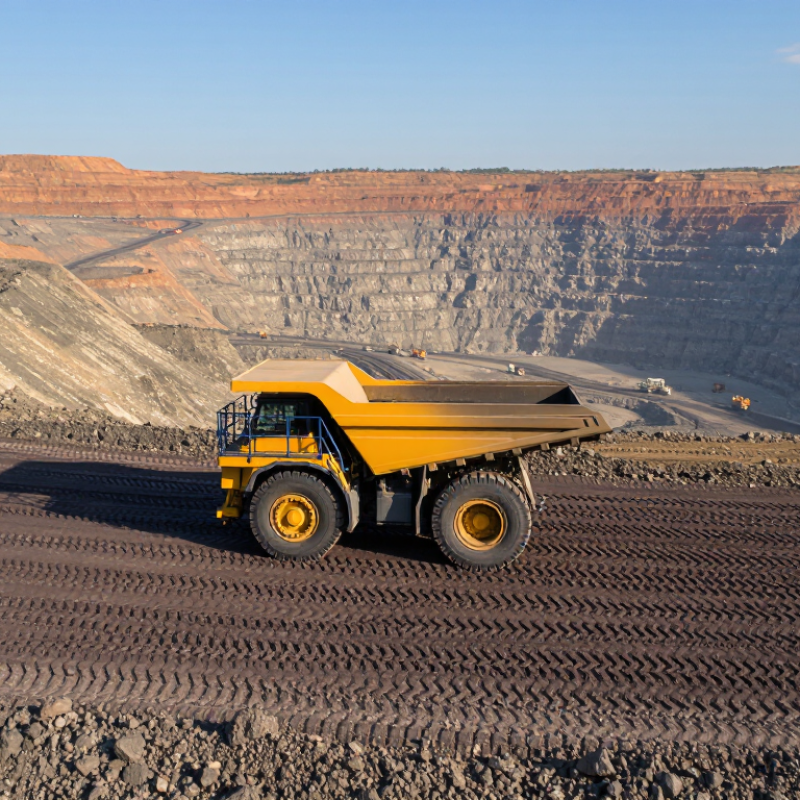
How to Buy a Cat 785 Dump Truck?

Confirm the Cat 785’s 136-tonne Rated Payload Fits Your Haul Plan

A 136-tonne rated payload is a planning figure, not a guarantee that every load will weigh the same. Before choosing a large haul truck, compare that rating with your typical material, loading method, and route. A bucket full of damp clay can weigh far more than the same volume of dry, loose material. That difference matters.

Estimate payload using measured material density, not visual judgment alone. Then check whether your loading equipment can fill the body efficiently without repeated, uneven passes. A truck that regularly leaves underloaded may waste fuel and haul capacity; one pushed beyond its rating can face excess wear and unsafe handling. Keep a practical margin for changing moisture and fragmented rock sizes. Small variations add up.

Match the payload to the whole fleet. Confirm that roads, ramps, dump areas, and service facilities can support the truck’s size and operating weight. Review expected cycle times and daily tonnes moved, too. A spreadsheet can look tidy; a muddy loading face often does not. Recheck assumptions with recent site measurements, and discuss the operating plan with qualified fleet and maintenance staff before purchase.

How to use this chart: Compare your planned average payload per trip with the 136-tonne rated payload. The load targets shown are illustrative planning examples, not measured operating data. Confirm actual site, material, and operating requirements before choosing a truck.

Check the 249,476-kg Gross Operating Weight Against Site Limits

When evaluating a 785-class dump truck, start with its published gross operating weight: 249,476 kg, or about 249.5 tonnes. Treat this as a planning figure, not a payload allowance. Actual weight depends on configuration, options, and operating fluids. Request the exact build sheet. That detail matters.

Compare the figure with every site constraint: bridge ratings, ramp capacity, dump areas, workshop floors, and ground-bearing limits. NIOSH’s 2001 report, Design of Surface Mine Haulage Roads (Information Circular 8758), identifies road geometry, drainage, berms, and traffic control as connected design concerns. A surface that supports a stationary truck may behave differently during turning or braking, especially when wet. A spreadsheet can miss that.

Before signing, ask for axle-load data and have a qualified site engineer check the weakest route section, not just the average ground condition. Include the truck’s loaded and unloaded movements, plus room for safe turning and stopping. Compare site measurements with documented ratings, and record assumptions. If a bridge or floor rating is unclear, pause the purchase review and obtain a competent assessment. The weight number is precise; the site’s real capacity may not be.

Set a Budget for the Truck, Tires, Freight, Fuel, and Lifecycle Costs

Price a 785-class haul truck by its full working life, not just its purchase price. Include delivery, financing, commissioning, operator training, and any site modifications. Then request written quotes for tires, scheduled maintenance, major components, and freight. Tire life depends on heat, road conditions, load, and haul distance, so ask for site-specific assumptions. A polished estimate can still miss downtime.

Fuel deserves its own line. The U.S. Energy Information Administration reported an average U.S. retail diesel price of $4.21 per gallon in 2023 in its Petroleum Marketing Monthly. Use your site’s current fuel price and a verified hourly-burn estimate.

For illustration, 100 gallons per hour at $4.21 costs $421 per operating hour. That is a scenario, not a truck specification.

Model several fuel-price and utilization cases, then add labor, repairs, insurance, and expected resale value across the ownership period.

Tips: Ask for tire and freight quotes before signing. Keep a contingency for delays and unscheduled repairs. Small changes matter. Compare cost per ton moved, not purchase price alone; confirm payload, cycle time, and availability assumptions with people who know the haul road.

Compare Authorized Dealers, Auctions, and Used-Equipment Sellers

When shopping for a 785-class haul truck, compare more than the asking price. Authorized dealers can provide configuration details, service records, and documented inspections. Ask about engine hours, major component rebuilds, tire condition, and the truck’s previous work. Paperwork matters. Also confirm what support is available after delivery, since a machine this size can sit idle while waiting for parts or repairs.

Auctions may offer a lower purchase price, but inspection time can be limited. Check the frame, dump body, suspension, and visible hydraulic lines. If possible, arrange an independent inspection and review oil-sample results and maintenance logs. A quick walkaround is not enough. Budget for transport, immediate repairs, and any work needed before the truck enters service. Missing records should affect your offer, not just your confidence.

Used-equipment sellers vary widely in what they know and disclose. Request the serial number, component history, hour-meter details, and a live operating demonstration. Compare those records with the machine’s wear: worn steps or a damaged seat may suggest hard use, but neither proves the full story. Build a cost estimate around your haul distance, road conditions, and expected workload. Even a careful checklist can miss something; keep a repair reserve rather than assuming the inspection caught everything.

Inspect Service Records, Brakes, Tires, and Frame Before Purchase

Before buying an ultra-class haul truck, match service records against meter hours, work orders, and component serial numbers. Look for gaps around engine, transmission, suspension, and brake repairs. A clean file can still mislead. Ask an independent mechanic to compare recorded work with wear visible on the machine.

The U.S. Mine Safety and Health Administration recorded 40 mining fatalities in 2023, according to its annual fatality data. That figure covers all mining incidents, but it underlines why safety-critical systems deserve careful checks.

Inspect the brakes under operating conditions, not only during a yard walkaround. Ask for recent test results, leak checks, and records of brake cooling or component replacement. Check each tire for sidewall cuts, bulges, exposed cords, and uneven tread wear; these may point to impact damage or alignment problems. Tire pressure and remaining tread should be measured, not guessed.

Then clean the frame and inspect welds, suspension mounts, and high-stress joints for cracks, fresh paint, or distortion. Request non-destructive testing where concerns remain. Bring a qualified inspector. A brief inspection can miss problems.

I would also price likely near-term repairs before agreeing on a purchase; estimating those costs is not exact, and some hidden defects may only appear after the truck returns to work.

FAQS

What gross operating weight should I use for planning?

The published figure is 249,476 kg, or about 249.5 tonnes. It is not a payload allowance. Configuration and operating fluids can change the actual weight. Ask for the exact build sheet.

Which site areas need a weight check?

Check bridges, ramps, dump areas, workshop floors, and ground-bearing limits. Wet ground can behave differently during turns or braking. A spreadsheet may not show that.

How can I confirm a route can support the truck?

Request axle-load data and have a qualified site engineer assess the weakest section. Include loaded and empty trips, turning space, and stopping distance. Record the assumptions; they may need revisiting.

What costs belong in the ownership budget?

Include delivery, financing, commissioning, training, site changes, tires, maintenance, freight, labor, repairs, and insurance. Estimate resale value too. Keep a repair reserve.

How should I estimate fuel costs?

Use your site’s current diesel price and a verified hourly-burn estimate. For example, 100 gallons per hour at $4.21 per gallon costs $421 hourly. That is only a scenario, not a truck specification.

How should I compare sellers?

Compare written records, inspections, support after delivery, and total costs—not just asking prices. Ask about engine hours, rebuilds, tires, and previous work. Paperwork matters.

What should I inspect when considering an auction truck?

Check the frame, dump body, suspension, and visible hydraulic lines. Review maintenance logs and oil-sample results if available. A quick walkaround is not enough.

What warning signs matter in a used truck’s history?

Request the serial number, component history, hour-meter details, and a live demonstration. Worn steps or a damaged seat may suggest hard use, but they do not prove it. Inspections can miss things.

Conclusion

Buying a Cat 785 Dump Truck starts with confirming that its 136-tonne rated payload matches your haul plan, including the material, route, loading method, and expected operating hours. Check that the truck’s 249,476-kg gross operating weight is suitable for your site’s roads, bridges, loading areas, and maintenance facilities. These details help determine whether the machine can work efficiently without exceeding practical site limits.

Before making an offer, set a full ownership budget that accounts for the purchase price, tires, freight, fuel, routine servicing, and expected lifecycle costs. Compare options from authorized dealers, auctions, and used-equipment sellers, considering both price and support. For any truck under consideration, review its service records and arrange a thorough inspection of the brakes, tires, frame, and other key components. A careful comparison of capability, total cost, and condition can help you choose a truck that fits your operation and long-term plans.

Sienna

Sienna

Sienna is a skilled marketing professional with a deep expertise in our company’s core products and services. With a passion for innovation and detail, she plays a pivotal role in crafting insightful blog posts that not only highlight the unique features of our offerings but also provide valuable......