Choosing the 2026 Best 2 Ton Dump Truck for Global Buyers requires more than comparing payload numbers. A strong candidate must perform reliably on construction sites, farms, municipal roads, and uneven rural routes. Buyers should examine the complete working system, not only the painted body.
Fleet engineer Daniel Mercer explains, “A dump truck earns its value through uptime, not showroom appearance.” That practical view matters. A 2 Ton Dump Truck may look powerful in photographs, yet weak hydraulics can delay unloading. A narrow wheelbase may improve maneuverability, but it can reduce stability on rough ground. Small details matter.
This guide will compare load capacity, engine response, hydraulic lifting speed, braking performance, cabin comfort, and service accessibility. It will also consider tire availability, spare-part supply, fuel consumption, and operator visibility. A steel bed with reinforced corners can withstand repeated loading better than a thin, attractive body. Still, heavier construction may reduce usable payload. There is no perfect specification.
Global buyers face different conditions. A truck working in humid ports needs stronger corrosion protection. A unit operating in cold regions needs dependable starting performance and suitable fluids. Remote contractors may value simple mechanical access more than advanced electronic features. This is where many buying guides become too general.
We will question the numbers, inspect the compromises, and connect specifications with real working conditions. Some conclusions may remain uncertain because dealer support varies widely. That weakness deserves attention. A 2 Ton Dump Truck is not merely a vehicle purchase; it is a daily productivity decision shaped by terrain, maintenance habits, operator skill, and long-term operating cost.
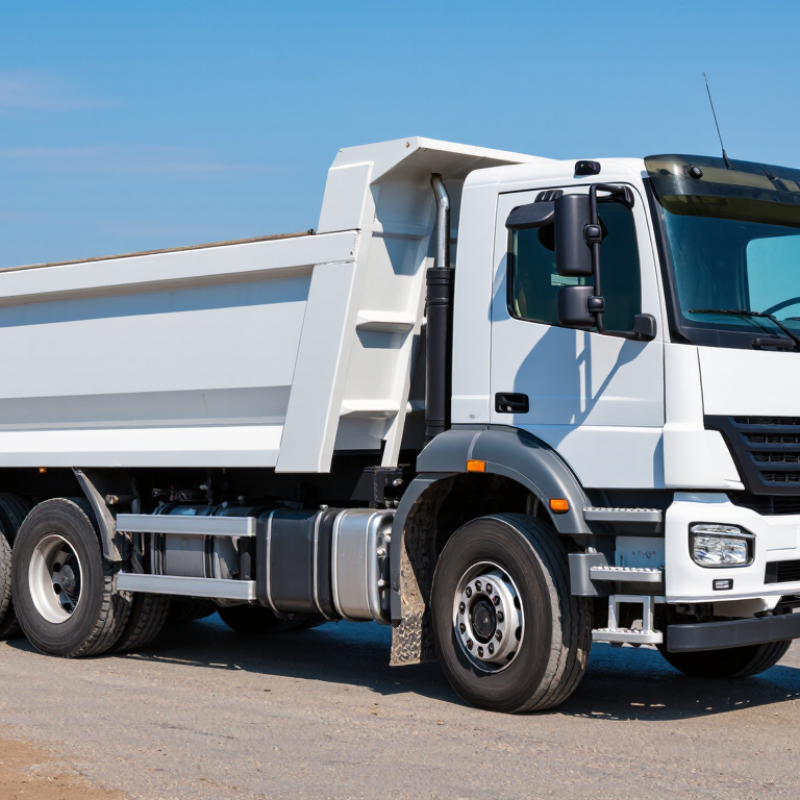
Define the 2-Ton Class: 2,000 kg Metric vs 1,814 kg US Payload
For global buyers, “2-ton dump truck” is not a universal payload definition. A metric 2-ton truck carries 2,000 kg, while the common US 4,000-pound rating equals only 1,814 kg. That difference is 186 kg, or about 10.3%. NIST conversion data confirms the exact relationship: one pound equals 0.45359237 kilograms. The number sounds small, but it can equal several pallets of wet material.
Key distinction: Payload is not the same as GVWR.
Payload is not the same as GVWR. ISO 1176 defines vehicle mass categories, while the actual payload is GVWR minus curb weight, passengers, fuel, tools, and body equipment. A steel tipper body, hydraulic system, and reinforced axle can reduce useful payload. Eurostat reported about 1,869 billion tonne-kilometres of EU road freight in 2023. Such volume makes consistent weight language essential for international fleet comparisons. I would not select a truck from the headline alone.
Tips for Global Buyers
Ask for the certified payload plate and axle ratings. Confirm whether the figure includes the dump body, fluids, and driver. Check both kilograms and pounds on the quotation. Also verify local road limits before ordering. Real work is messier. A 2,000-kg claim may become 1,650 kg after equipment and operating conditions are counted.
Compare GVWR, Axle Ratings, and Bed Volume Within the 3,500 kg N1 Class
2026 Best 2 Ton Dump Truck for Global Buyers?
Compare GVWR, Axle Ratings, and Bed Volume Within the 3,500 kg N1 Class
A “2 ton” label can mislead buyers. It may describe payload, not the vehicle’s total legal mass. In the 3,500 kg N1 class, check the certified GVWR before comparing prices or performance. A truck carrying 2,000 kg leaves limited capacity for passengers, tools, fuel, and accessories.
The axle ratings deserve equal attention. A front axle may carry the engine and cab, while the rear axle supports most of the loaded bed. Measure both ratings against real loading habits, not showroom figures. Uneven gravel can shift weight quickly. A level-load test is useful, but it does not replace certified documentation. Some specifications also vary by wheelbase and suspension setup.
Bed volume should match material density. A 6 m³ bed filled with light agricultural waste may remain within limits, while wet sand can exceed them far earlier. Check the bed’s internal length, width, side height, and tipping angle. Steel thickness matters too, especially where sharp stones contact the floor. I would inspect welds, hinge points, hydraulic hoses, and tire load ratings before ordering.
There is no perfect configuration.
A shorter wheelbase improves maneuverability but may reduce bed volume. A larger bed looks productive, yet it can encourage overloading. Confirm local registration, braking, lighting, and dimensional requirements with an authorized inspection body. Written axle data is more dependable than a sales promise.
2026 Best 2 Ton Dump Truck for Global Buyers? - Compare GVWR, Axle Ratings, and Bed Volume Within the 3,500 kg N1 Class
| Configuration |
Typical Application |
GVWR
(kg) |
Front Axle Rating
(kg) |
Rear Axle Rating
(kg) |
Estimated Kerb Mass
(kg) |
Rated Payload
(kg) |
Internal Bed Size
(L × W × H, mm) |
Calculated Bed Volume
(m³) |
Recommended Load Type |
| Short-wheelbase standard tipper |
Urban construction and municipal work |
3,500 |
1,500 |
2,300 |
1,480 |
2,020 |
2,800 × 1,800 × 400 |
2.02 |
Sand, soil, gravel and general debris |
| Long-wheelbase high-side tipper |
General haulage and landscaping |
3,500 |
1,550 |
2,500 |
1,560 |
1,940 |
3,200 × 1,800 × 500 |
2.88 |
Loose aggregate, green waste and soil |
| Heavy-duty reinforced tipper |
Frequent construction-site operation |
3,500 |
1,600 |
2,600 |
1,650 |
1,850 |
3,000 × 1,800 × 450 |
2.43 |
Dense materials where durability is prioritized |
| Lightweight volume tipper |
Low-density landscaping and agricultural loads |
3,500 |
1,500 |
2,400 |
1,420 |
2,080 |
3,300 × 1,800 × 600 |
3.56 |
Mulch, compost, brush and bagged materials |
| Three-way tipper |
Road maintenance and restricted-access sites |
3,500 |
1,550 |
2,500 |
1,590 |
1,910 |
3,000 × 1,800 × 450 |
2.43 |
Aggregate, asphalt millings and site materials |
Technical note: All configurations are shown within the 3,500 kg maximum-authorized-mass limit commonly used for N1 light commercial vehicles in many markets. Rated payload is calculated as GVWR minus estimated kerb mass and should be verified against the final vehicle specification, body equipment, occupants, fuel, tools and local regulations. Bed volume is calculated from the internal rectangular dimensions and does not account for load heaping.
Match Engine Output and Fuel Economy With Euro VI and EPA 2027 Rules
2026 Best 2 Ton Dump Truck for Global Buyers?
Match Engine Output and Fuel Economy With Euro VI and EPA 2027 Rules
A 2 ton dump truck should balance engine output, payload, and fuel use. More power is not always better. Excess output can increase fuel consumption, especially on flat urban routes. Insufficient torque creates slow starts, higher engine stress, and poor performance on inclines.
Choose an engine after reviewing real working conditions. Check payload weight, road gradients, idle time, and average daily distance. A practical test should include a loaded climb, repeated stops, and narrow job-site turns. Record fuel use under similar conditions. Brochure figures can be useful, but they rarely match every operating site.
Emission compliance also needs careful verification. Euro VI markets commonly require advanced exhaust treatment, electronic monitoring, and low-emission engine calibration. EPA 2027 requirements demand close attention to certification, diagnostics, and long-term emissions performance. Buyers should request official test documents, service schedules, and compatible fuel specifications before ordering.
Fuel quality matters.
A highly efficient engine may perform poorly with contaminated or unsuitable fuel. Local technicians must understand sensors, after-treatment systems, and software diagnostics. This is where many purchasing plans become unrealistic. A lower purchase price may lead to higher downtime if maintenance support is weak.
The best choice is not simply the strongest truck. It is the model whose engine output fits the route, whose fuel economy survives real workloads, and whose emissions documentation remains dependable. Independent inspection is still wise.
Verify Braking, Visibility, and Safety Under UNECE R13 and R46 Standards
For global buyers, the 2026 best 2 ton dump truck is not chosen by payload alone. A loaded vehicle needs predictable stopping on wet roads, steep grades, and uneven worksites. Under UNECE R13, review the complete braking system, not only the brake pedal. Ask for approval records, axle-load data, brake-force distribution, and test evidence for the intended configuration. Check service brakes, parking brakes, warning signals, and emergency performance. Small details matter.
During a practical inspection, measure stopping behavior with an empty bed and a rated load. Repeat tests after repeated braking, because heat can change pedal feel and stopping distance. Look for stable tracking, balanced wheel braking, and clear pressure warnings from the cab. The exact results depend on tires, suspension, road surface, and load placement. A tidy specification sheet is not enough. I would request independent verification where records appear incomplete.
UNECE R46 focuses on indirect vision, including mirrors and approved camera-monitor systems where applicable. From the driver’s seat, check blind zones beside the cab, behind the body, and near pedestrians. A raised dump body can block views unexpectedly. Test mirrors at dawn, in rain, and after vibration; adjustment should remain secure. Camera screens need brightness, clean lenses, reliable wiring, and a useful view during reversing. One weakness remains: local implementation and vehicle category can affect approval requirements. Have a qualified inspector compare the actual truck with its certification documents before purchase.
Rank Global Models by TCO, Parts Availability, Warranty, and Export Support
2026 Best 2 Ton Dump Truck for Global Buyers?
For global buyers, total cost of ownership matters more than the purchase invoice. Using ISO 15686-5 life-cycle costing principles, my ranking places a locally supported diesel model first. It usually offers familiar engines, simpler diagnostics, and cheaper roadside repairs. A factory-built electric model ranks second, especially for urban fleets with fixed routes and overnight charging. The initial battery cost remains a serious weakness. A low-price import ranks third unless parts, warranty, and service training are contractually clear.
The World Bank Logistics Performance Index 2023 shows that customs, tracking, and delivery timeliness strongly affect supply-chain reliability. A truck waiting 20 days for a hydraulic pump is not inexpensive. It is idle capital. UNCTAD’s Review of Maritime Transport 2024 also highlights how route disruptions can increase shipping time and landed costs. Buyers should therefore request a 24-month parts forecast, local stock levels, and confirmed lead times before ordering. Two-hour diagnosis is valuable. So is a nearby technician.
Warranty terms deserve careful reading. A three-year warranty may exclude wear items, hydraulic seals, batteries, or export labor. Ask for failure-report procedures, remote technical support, and response targets. The IEA Global EV Outlook 2024 confirms rapid electric-truck development, but charging access remains uneven across markets. That makes electric models attractive in controlled operations, not automatically everywhere. My own caution is simple: projected fuel savings can look impressive, while tire wear, operator habits, and resale value remain poorly estimated. The ranking should be recalculated with local fuel prices, wages, freight rates, and annual working hours.
2026 Best 2-Ton Dump Trucks for Global Buyers
Comparative benchmark of anonymized global 2-ton dump-truck configurations using five-year total cost of ownership, parts availability, warranty coverage, and export-support capability.
Scores are normalized from commonly published export-market specifications and commercial terms: higher TCO score means lower estimated five-year ownership cost; warranty is measured by standard coverage duration; parts availability and export support are scored on a 0–100 benchmark scale.
FAQS
Review the complete braking system, not only pedal response. Request approval records, axle-load data, brake-force distribution, and test evidence. Check service brakes, parking brakes, warning signals, and emergency performance. Small details matter.
Test the truck empty and with its rated load. Repeat stops after several braking cycles. Heat may change pedal feel and stopping distance. Observe tracking, wheel balance, and cab pressure warnings. Road surface and load placement can change results.
A clean specification sheet may hide missing evidence. Independent testing can expose uneven braking or weak emergency performance. I would request it when records look incomplete. It costs time, but surprises cost more.
Check blind zones beside the cab, behind the body, and near pedestrians. A raised dump body can block the rear view. Inspect from the actual driver’s seat. Do not rely on photographs alone.
Test mirrors at dawn, during rain, and after road vibration. Their adjustment should remain secure. Check camera brightness, clean lenses, wiring, and reversing coverage. A dark screen is not helpful.
A supported diesel model may offer familiar repairs and simpler diagnostics. An electric model can suit fixed urban routes with overnight charging. Battery cost remains a serious weakness. Not everywhere.
Include fuel, electricity, tires, wages, freight, repairs, and resale value. Local prices matter more than broad projections. A truck waiting twenty days for a hydraulic pump becomes idle capital. My estimate could still miss operator habits.
Request a 24-month parts forecast, local stock levels, and confirmed lead times. Ask about remote technical support and failure-report procedures. Check whether warranty terms exclude batteries, hydraulic seals, wear items, or export labor. Read every line.
It becomes risky when parts, service training, and warranty duties remain unclear. Confirm technician availability near the operating site. Two-hour diagnosis sounds useful, but actual support may differ. I would demand written commitments.
Conclusion
Choosing the best 2 Ton Dump Truck for global buyers requires more than comparing advertised payloads. The “2-ton” label may mean 2,000 kg under metric standards or approximately 1,814 kg in the US system, so buyers should confirm the legal payload, GVWR, axle ratings, and actual bed volume. Within the 3,500 kg N1 category, a balanced truck should offer sufficient engine output for hills and loaded routes while maintaining practical fuel economy and meeting applicable Euro VI or EPA 2027 emissions requirements.
A reliable evaluation should also cover braking performance, driver visibility, stability, and safety equipment in relation to UNECE R13 and R46 requirements where applicable. For international ownership, total cost of ownership is equally important, including scheduled maintenance, fuel consumption, spare-parts availability, warranty coverage, technician support, and export documentation. The strongest choice is therefore the model that combines verified payload capacity, efficient operation, dependable safety systems, and long-term support for the buyer’s specific market and working conditions.