
Top 10 Biggest Trucks in the World for Buyers

Time:2026-11-24 Author:Ethan
0%

Choosing the Big Truck In The World is not simply a contest in height, length, or payload. Buyers must match a machine to its job, operating environment, and support network. An open-pit haul truck may carry hundreds of tonnes, yet it cannot replace a road-going tractor-trailer. The distinction matters.

Manufacturer specifications offer a useful starting point. Caterpillar’s 797F product data sheet lists a nominal payload of 400 short tons, or about 363 metric tonnes. Komatsu’s 980E-5 specifications also list a 400-short-ton payload. These figures show the scale of ultra-class mining trucks, but rated capacity alone does not determine value. Buyers should also examine fuel or energy use, tire availability, maintenance access, cycle times, and the cost of moving the truck to its site. Details count.

This guide compares ten of the world’s largest trucks, using published manufacturer specifications and practical buyer considerations. It considers dimensions, payload, power, intended work, and the limits of each model. Rankings can shift when configurations or measurement methods differ, so the figures should be checked against current OEM documents before a purchase. A bigger truck may move more material per trip, but it can also demand larger roads, loading equipment, and service facilities. I would not choose by headline capacity alone. The right fit is rarely the flashiest one.
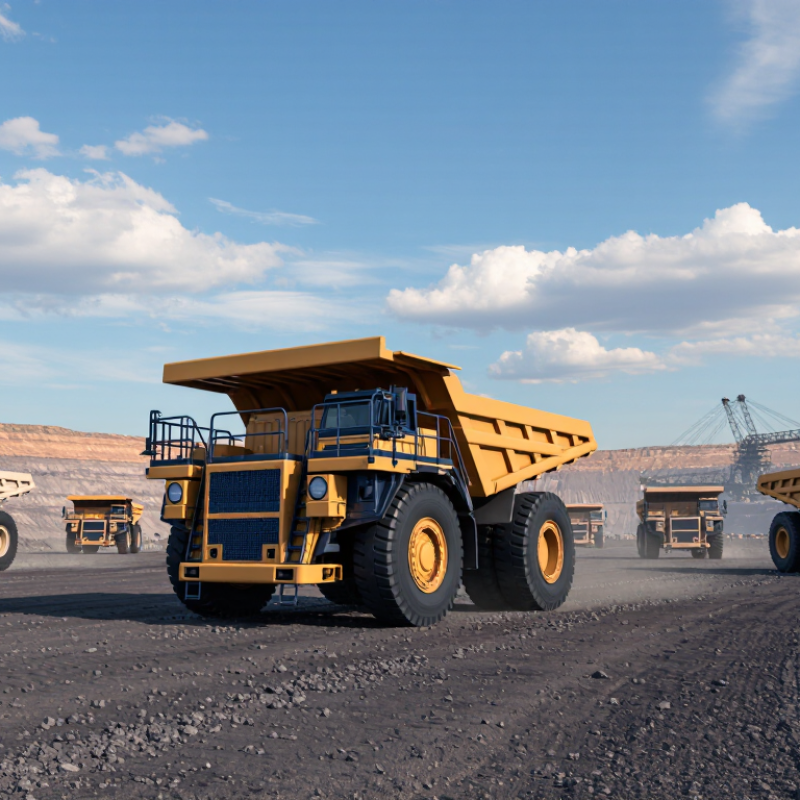
Top 10 Biggest Trucks in the World for Buyers

How the Size of the World’s Biggest Trucks Is Measured

A truck’s “size” can mean several different things, so a single ranking may hide important differences. Buyers should separate physical dimensions from carrying ability. Overall length, width, and height describe the space a vehicle occupies in its normal travel position. Height matters under power lines and inside maintenance buildings. Width matters on haul roads, ramps, and loading areas. Small clearance errors become expensive.

Weight needs its own definition. Empty operating weight includes the truck’s equipment and fluids, while payload refers to the material it is rated to carry. Loaded weight combines both. These figures are not interchangeable. A large payload rating does not tell you whether a site’s bridges, ground, or service facilities can support the truck. Check axle loads and tire limits, too. Details matter.

Comparisons can get messy. Some published dimensions exclude mirrors or assume a particular body position. A raised dump body changes the height dramatically, even though the truck has not changed. Buyers should check current technical drawings and measure the actual route, including turning space and overhead clearance. A tape measure helps, but a proper site survey is safer. I once underestimated how much a tight turn could matter; dimensions on paper did not show the whole problem.

What Buyers Should Compare Before Choosing a Giant Truck

A giant truck can look impressive in a specification sheet and still lose time on a tight haul road. Compare payload with the actual route: grades, turning space, road width, and the loading tool’s capacity. Then request cycle-time records from similar operating conditions, not an ideal demonstration. Payload is only the headline. Small differences compound.

Fuel deserves careful checking. The U.S. EPA’s 2024 greenhouse-gas emission factors assign diesel 10.21 kilograms of carbon dioxide per gallon. Apply that factor to expected annual fuel use, and compare the result alongside fuel cost and payload moved. Ask for figures across loaded and empty runs; one average can hide a lot. The Global Mining Guidelines Group’s standardized time-classification framework gives operators a consistent way to categorize mobile-equipment time. Ask suppliers to show availability, delays, and maintenance using the same definitions. Also check tire supply, service access, and parts lead times. A truck that cannot be serviced promptly may cost more than its purchase price suggests. Some buyers underweight this. It is easy to do.

The Top 10 Biggest Trucks in the World and Their Key Specs

The biggest haul trucks are measured by payload, not body length alone. These ten capacity classes show how specifications rise across the ultra-class range. Figures are approximate benchmarks; individual configurations differ. Numbers vary.

A 450-tonne truck may weigh 650–700 tonnes loaded and deliver roughly 3,500–4,000 horsepower. A 400-tonne class commonly uses about 3,000–3,750 horsepower. Around 363 tonnes, expect roughly 2,700–3,500 horsepower. A 360-tonne truck sits close behind, with output varying by drive system. The 327-tonne class often pairs a payload rating with about 2,500–3,000 horsepower. A 300-tonne unit may use roughly 2,400–3,000 horsepower. That gap looks small on paper.

Next come trucks rated near 290, 240, 220, and 180 tonnes. Their power can range from roughly 1,500 to 2,700 horsepower, depending on design. Buyers should also compare empty weight, tire dimensions, body volume, and brake capacity. A taller body may carry more loose material, but not necessarily more tonnes. That detail is easy to miss. Road gradients, haul distance, and material density can change real productivity more than a headline payload figure. Specifications need context. A mine’s loading tools and maintenance capacity matter, too; choosing the largest truck is not always the practical choice.

How the Largest Trucks Serve Mining, Hauling, and Construction

The biggest trucks earn their place where material moves continuously. In open-pit mines, ultra-class haul trucks carry hundreds of tonnes of ore or waste per trip, reducing the number of vehicle cycles between the shovel and crusher. That matters. The USGS Mineral Commodity Summaries 2025 estimates worldwide copper mine production reached 23 million metric tons in 2024. Moving that volume requires more than a large payload: operators must match truck capacity to shovel size, haul-road strength, and crusher throughput. A mismatch can mean longer queues, wasted fuel, or rough roads that damage tires and suspensions.

On construction projects, the job changes. Large rigid haulers suit established mine roads, while articulated trucks handle uneven, muddy ground on earthworks sites. They move overburden, aggregates, and excavated soil; their value depends on safe turning space, stable grades, and reliable braking under load. The International Energy Agency’s Global Critical Minerals Outlook 2024 highlights rising pressure on mineral supply chains, making efficient material handling increasingly important. Yet bigger is not always better. Not every site. Narrow benches, soft ground, and short routes may favor smaller equipment. A practical buyer should compare payload with fuel use, maintenance access, operator visibility, and total cycle time. The awkward part is that published maximum capacity rarely reflects a real shift’s average load.

Purchase, Transport, and Operating Considerations for Buyers

Buying one of the world’s largest trucks means buying a transport plan, not just a machine. The largest mining haul trucks commonly carry about 300–400 metric tonnes, but rated payload is not the same as reliable daily output. Ask for site-specific cycle-time and fuel estimates. Check ramp grades, turning radii, road width, ground pressure, and loading equipment before choosing capacity. A truck that cannot reach the loading face efficiently is an expensive spectacle.

Transport can require partial disassembly, specialist trailers, route surveys, permits, and coordinated delivery windows. Get written estimates for each leg, including port handling and reassembly. Small access details matter: a weak bridge or tight site entrance can delay delivery. It is easy to underestimate these costs.

Operating costs deserve equal scrutiny. ICMM’s 2023 analysis puts mining and metals at roughly 4–7% of global greenhouse gas emissions, including value-chain emissions; haulage fuel and energy are important levers, not the whole picture. The IEA’s 2023 CO₂ emissions report estimates transport produced around 8 gigatonnes of CO₂ in 2022, about one-quarter of energy-related emissions. Compare fuel or electricity use per tonne moved, tire life, maintenance hours, parts availability, and downtime support. These figures are benchmarks, not promises. I would also challenge my own spreadsheet: real roads, weather, and operator practices can make its neat assumptions look rather optimistic.

FAQS

What should buyers compare before choosing a giant truck?

Match payload to road width, gradients, turning space, and loading equipment. A high rating means little if the route slows every cycle.

Why can a truck’s rated payload be misleading?

It is a maximum, not a typical shift average. Material density, body volume, and loading conditions change the tonnes carried.

Which operating records should buyers request?

Ask for cycle times from similar routes and loads. Compare availability, delays, and maintenance using consistent time categories. Demonstrations can look too neat.

How should fuel use be evaluated?

Compare expected fuel per year with payload moved. Request separate figures for loaded and empty runs; one average can hide useful detail.

What are typical payload ranges for the largest haul trucks?

Approximate classes range from 180 to 450 tonnes. A 450-tonne truck may weigh 650–700 tonnes when loaded.

Does higher horsepower always mean better productivity?

No. Road grade, haul distance, truck weight, and loading speed all matter. The difference on paper may barely help on a short route.

When might a smaller truck be the better choice?

Narrow benches, soft ground, and short routes may suit smaller equipment. Bigger can mean more fuel and harder turning. Easy to overlook.

What practical details should buyers check beyond payload?

Check tire availability, service access, parts lead times, brake capacity, and operator visibility. A truck waiting for repairs earns nothing. I’d check this twice.

Conclusion

Choosing the right giant truck requires more than looking at its overall size. Buyers should compare payload capacity, vehicle weight, dimensions, power, fuel use, ground clearance, and suitability for the intended work. The phrase “Big Truck In The World” can describe different machines depending on whether size is measured by height, length, weight, or hauling capacity, so clear comparisons matter when reviewing the world’s ten largest trucks and their key specifications.

These trucks support demanding work in mining, heavy hauling, and construction, where capacity and durability can improve productivity. Buyers should also plan for purchase costs, delivery and transport logistics, site access, maintenance, operator training, and day-to-day operating expenses. Matching a truck to the job and working environment helps avoid choosing a machine that is too large, costly, or impractical. A careful assessment of both performance and ownership requirements makes it easier to select a truck that meets operational needs over the long term.

Ethan

Ethan

Ethan is a seasoned marketing professional with a deep expertise in our company's innovative product line. With a passion for sharing knowledge and insights, he takes the lead in regularly updating our corporate blog, where he explores industry trends, product features, and effective marketing......